
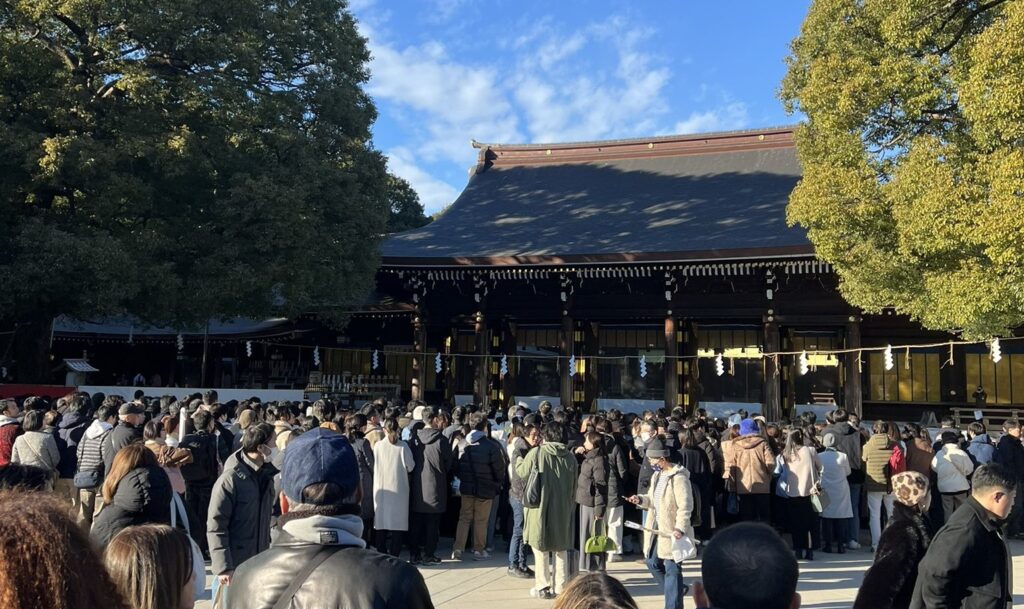
Visiting a shrine or temple at the beginning of the year—called Hatsumode—is one of Japan’s most important New Year traditions. Many people visit between January 1–3 to pray for good luck, health, and prosperity for the coming year.
In Tokyo, there are many famous places for Hatsumode, from lively and crowded hotspots to quieter, hidden gems. Here are the best places to experience this Japanese tradition.
1. Classic & Popular Hatsumode Spots
Meiji Jingu (Shibuya-ku)
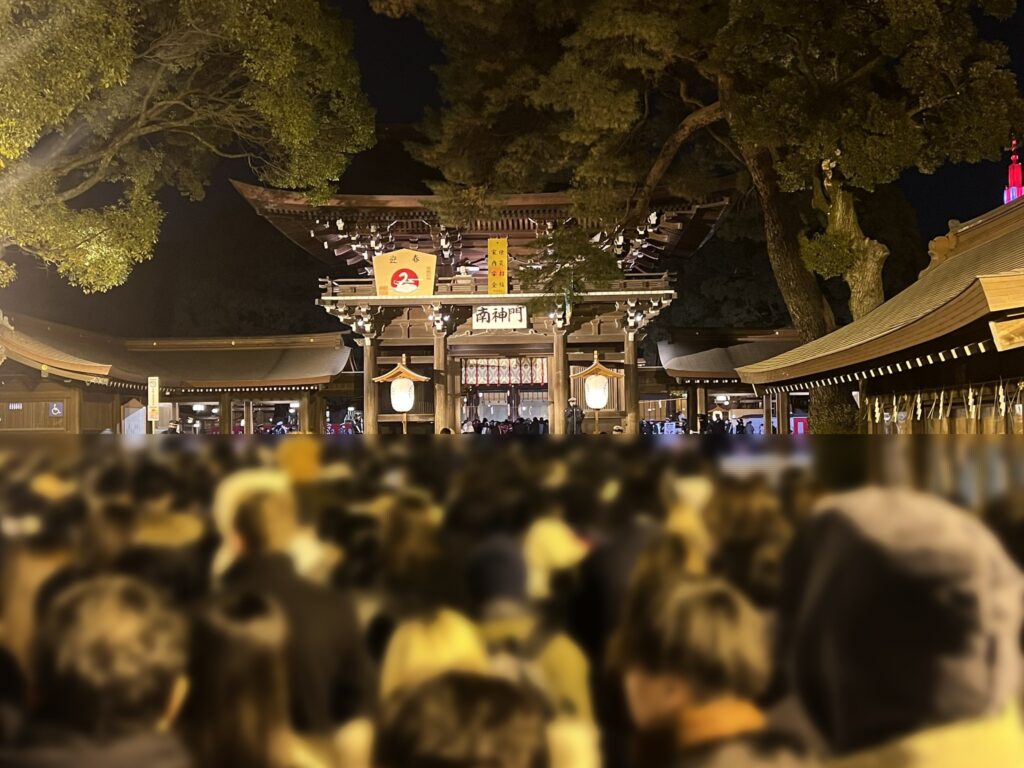
One of Japan’s most visited Hatsumode destinations, attracting millions every year. Despite being in central Tokyo, the shrine is surrounded by a lush forest, offering a solemn atmosphere. Perfect for starting the year in a peaceful yet iconic setting.
Access: Harajuku Station / Meiji-jingumae Station
Vibe: Very crowded, traditional, majestic.
Senso-ji Temple (Taito-ku)
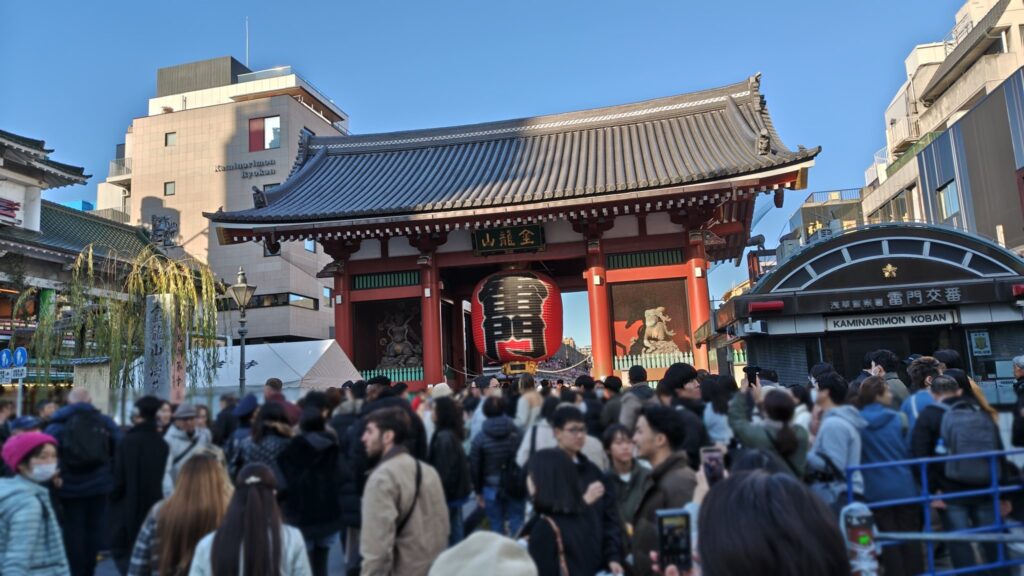
Tokyo’s oldest temple and one of the liveliest places during New Year. From the iconic Kaminarimon Gate through Nakamise shopping street, you’ll find food stalls, souvenirs, and a festive atmosphere.
Access: Asakusa Station
Vibe: Energetic, colorful, great for street food lovers.
Tokyo Daijingu (Chiyoda-ku)
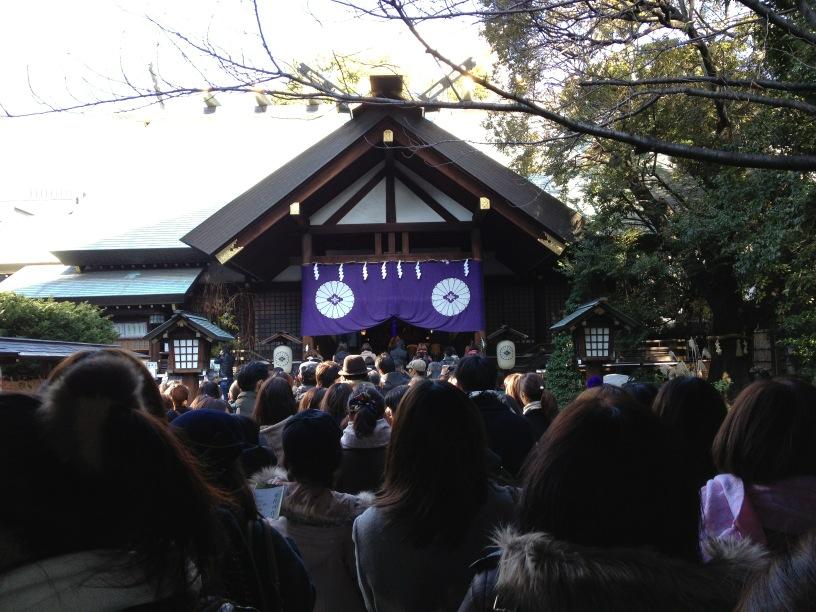
Often called “Tokyo’s Ise Shrine,” this is one of the most popular shrines for those seeking good relationships and love. Expect long lines, especially among young visitors.
Access: Iidabashi Station
Vibe: Calm but popular, romantic luck.
Kanda Myojin (Chiyoda-ku)

Known as the protector of Tokyo’s historical downtown (“Edo”), this shrine is popular among IT professionals and businesspeople. Also famous for the lively Kanda Festival.
Access: Ochanomizu Station / Akihabara Station
Vibe: Business luck, cultural, energetic.
2. Recommended Spots by Blessings (Goriyaku)
For Love & Relationships
- Tokyo Daijingu (Chiyoda-ku)
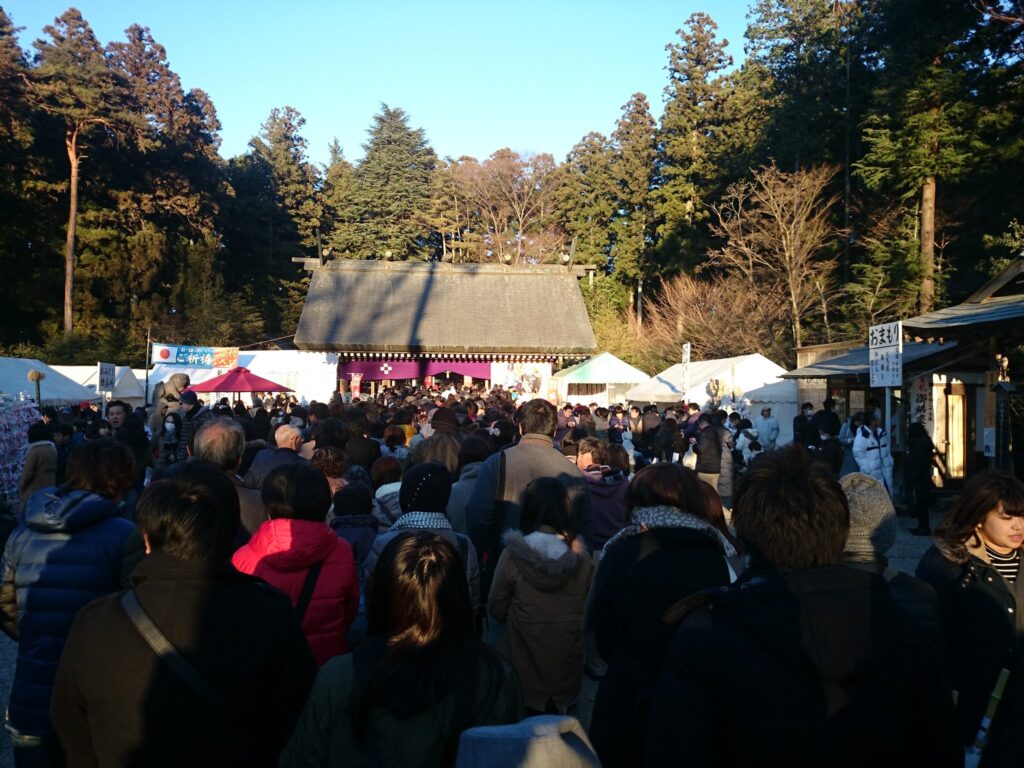
- Nogi Shrine (Minato-ku) — serene and known for love-related blessings.
For Success & Fortune
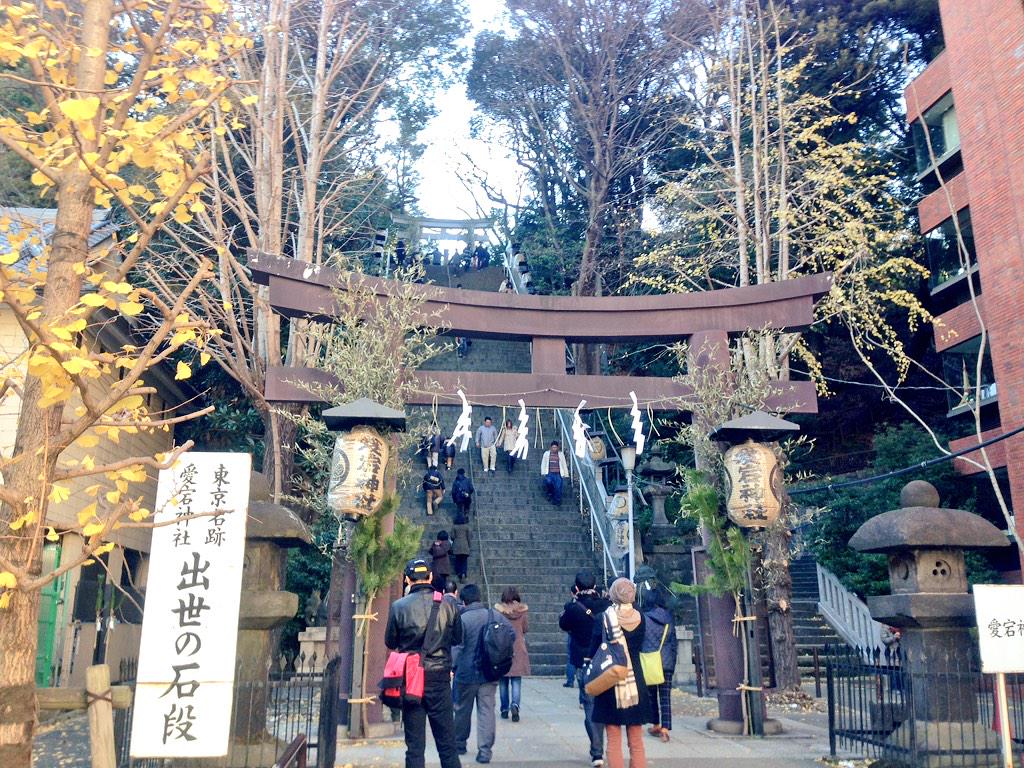
- Atago Shrine (Minato-ku) — famous for its steep “Stairway to Success.”
- Kanda Myojin (Chiyoda-ku) — business prosperity.
For Studies & Exams
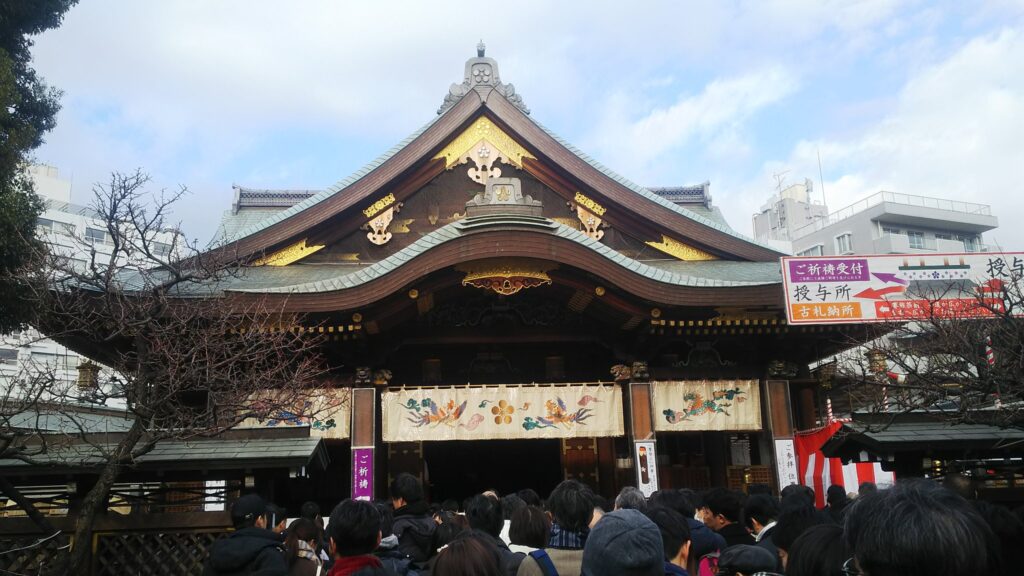
- Yushima Tenmangu / Yushima Tenjin (Bunkyo-ku) — dedicated to the god of learning, extremely popular among students.
3. Hidden Gems & Quiet Spots
Nogi Shrine (Minato-ku)
A peaceful oasis in central Tokyo. Ideal for visitors who want to avoid crowds while still enjoying a meaningful Hatsumode experience.
Access: Nogizaka Station
Vibe: Quiet, elegant, romantic luck.
Omiya Hachiman Shrine (Suginami-ku)
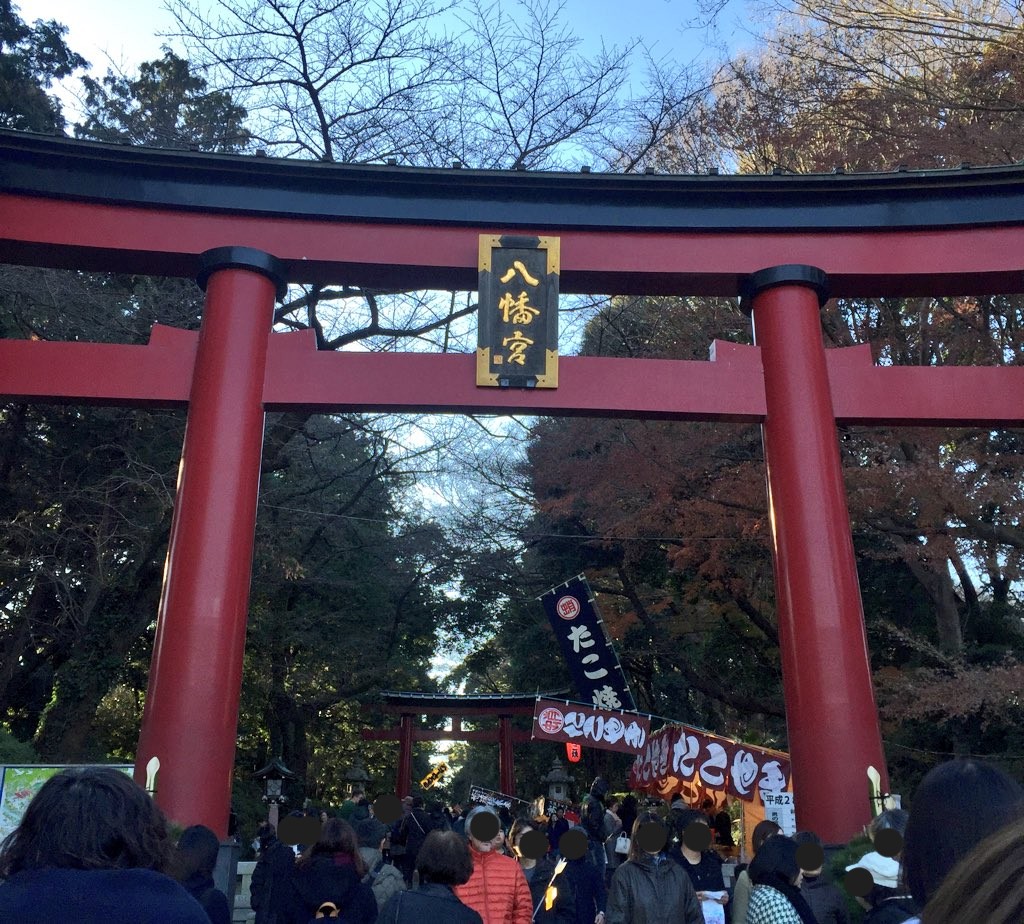
Known as the “Navel of Tokyo”, this spacious shrine is famous for child blessings and safe childbirth. Because it’s less crowded, you can enjoy a calm start to the year.
Access: Nishi-Eifuku Station
Vibe: Relaxed, family-friendly.
Nezu Shrine (Bunkyo-ku)
A beautiful historical shrine with stunning architecture and gardens. Perfect for visitors seeking a traditional, atmospheric setting.
Access: Nezu Station / Sendagi Station
Vibe: Photogenic, peaceful.
4. Other Notable Hatsumode Spots
Zojoji Temple (Minato-ku)
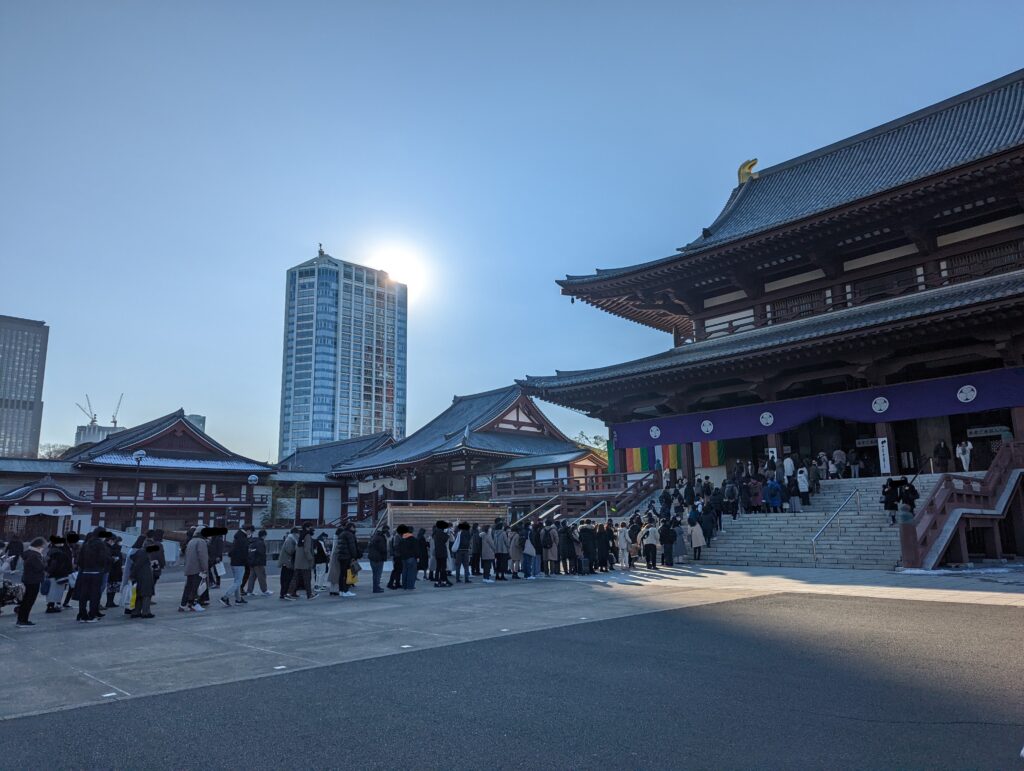
Famous for its dramatic backdrop of Tokyo Tower. If you want impressive New Year photos and a dignified temple atmosphere, this is the place.
Access: Onarimon Station / Daimon Station
5. How to Choose the Right Hatsumode Spot
- Want to avoid crowds?
→ Nogi Shrine, Omiya Hachiman Shrine, Nezu Shrine - Want a lively, festival-like atmosphere?
→ Senso-ji, Meiji Jingu - Want specific blessings?
→ Choose by purpose (love, exam success, business prosperity)
Tips for a Smooth Hatsumode Experience
- Go early in the morning or after January 3 to avoid heavy crowds.
- Bring small coins (5 yen is considered lucky).
- Follow local etiquette: bow at the torii gate, cleanse hands at chozuya, and follow the prayer steps.
- Expect long lines at major shrines—be patient and enjoy the tradition.
More from my site
 Does It Snow in Tokyo? Winter Weather Guide
 Happy new year in Japan = Hatsumode to shrine or temple
 Snow Getaways from Tokyo: 3 Easy Winter Trips to See Snow in Japan
 Is There a New Year’s Countdown in Shibuya?
 Kagami Mochi: The Art and Tradition Behind Japan’s New Year Charm
 2026: The Year of the Horse in Japan – Meaning, Culture, and New Year Souvenirs