

Many travelers imagine Japan as a snowy winter wonderland—but what about Tokyo?
The short answer is: Yes, it can snow in Tokyo, but it doesn’t happen very often. And when it does, even a small amount of snow can have a big impact on daily life and transportation.
Here’s what you should know before visiting Tokyo in winter.
Does Tokyo Get Snow?
Yes, but snowfall in Tokyo is rare and usually light.
Tokyo has a relatively mild winter compared to northern Japan or mountainous regions.
- Snow typically falls between December and March
- January and February are the most likely months
- Some winters pass with little to no snow at all
Even when it snows, it often melts quickly and does not build up into deep snow.
How Often Does It Snow in Tokyo?
On average, Tokyo experiences only a few snowy days per year.
- Historically, Tokyo has had around 9–10 days per year with snow or sleet
- However, days with actual snow accumulation are much fewer
- In recent years, some winters have seen only 1–3 light snow days, or none at all
Snowfall varies greatly from year to year, making it difficult to predict.
Why Snow Causes Problems in Tokyo
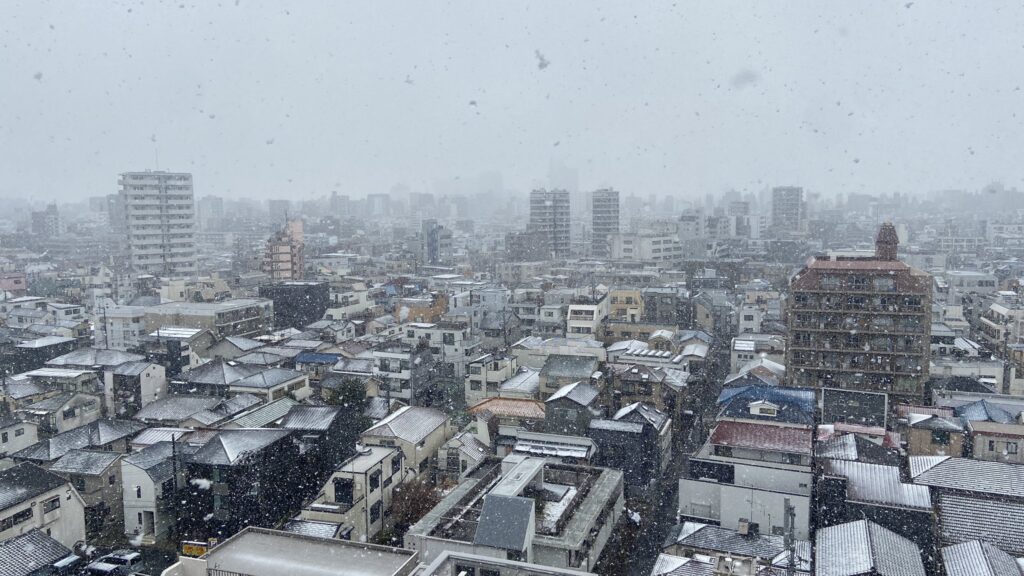
Tokyo is not a snow-ready city. Because snow is uncommon, the city has limited snow-removal equipment and infrastructure. As a result, even a small amount of snow can cause disruptions.
Public Transportation
- Trains may slow down or be delayed
- Some lines may temporarily stop for safety checks
- Morning commuter hours are especially affected
Even light snow can lead to widespread delays across the rail network.
Roads and Walking Conditions
- Roads can become slippery due to snow or ice
- Buses and taxis may run late
- Sidewalks can be icy, increasing the risk of slips and falls
Tokyo residents are not used to walking on icy surfaces, so extra caution is important.
What Travelers Should Do If It Snows
Dress Smart
- Wear comfortable, non-slip shoes
- Waterproof footwear is recommended
- Bring warm clothing, gloves, and a coat
Check Weather & Transport Updates
- Always check the weather forecast during winter
- On snowy days, confirm train operation status before heading out
Want to See Snow for Sure?
If seeing snow is a priority, Tokyo is not the most reliable destination.
Consider a short trip to nearby areas such as:
- Mountain regions
- Ski resorts
- Snowy destinations reachable by bullet train within 1–2 hours
Is Snow in Tokyo a Bad Thing?
Not necessarily.
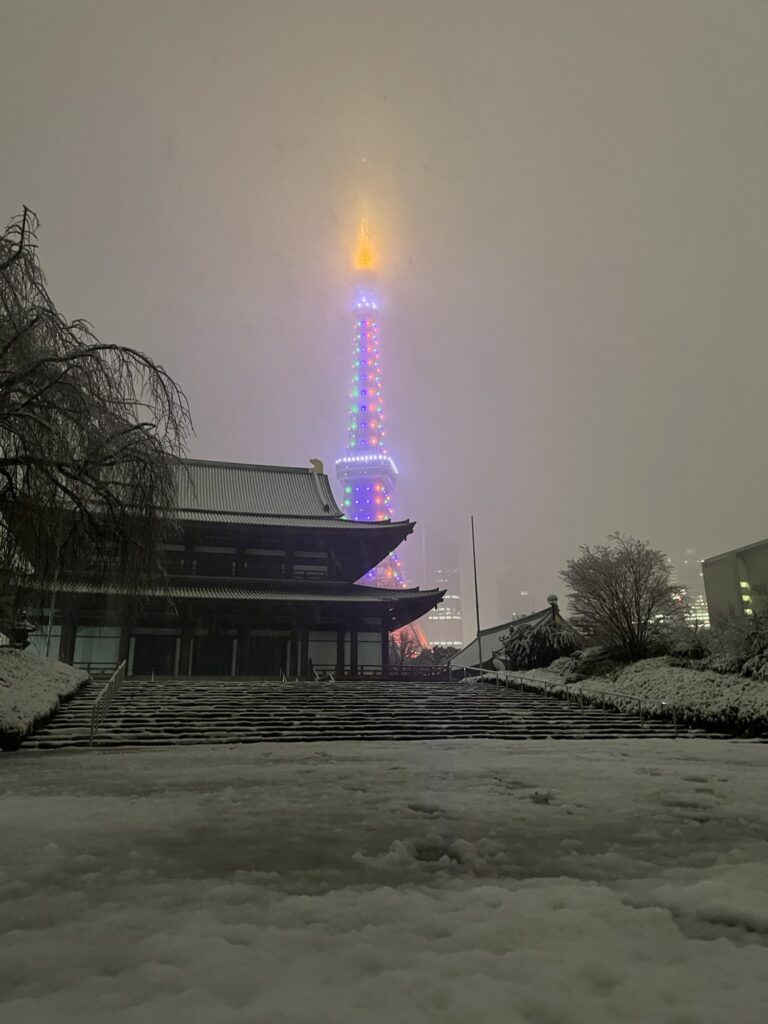
Snow in Tokyo is rare, which makes it special and photogenic when it happens:
- Snow-covered temples and shrines
- Quiet city streets
- A unique contrast between modern buildings and winter scenery
However, flexibility in your schedule is important, as transportation delays are common.
❄️ Tokyo Snowfall Trends: 2019–2024
According to recorded weather data, snowfall in Tokyo varies significantly from year to year, with many winters experiencing only light snow or no measurable snow at all. Here’s a snapshot of recent seasons based on snowfall totals and snow-day statistics:
| Season (Oct–May) | Snowfall Days | Total Snowfall (cm) | Max Depth (cm) |
|---|---|---|---|
| 2024–2025 | 2 days | ~2 cm | ~1 cm |
| 2023–2024 | 10 days | ~10 cm | ~8 cm |
| 2022–2023 | 0 days | ~0 cm | 0 cm |
| 2021–2022 | ~12 days | ~12 cm | ~10 cm |
| 2020–2021 | 0 days | ~0 cm | 0 cm |
| 2019–2020 | ~1 day | ~1 cm | ~1 cm |
👉 This data shows how unpredictable snow in Tokyo can be — some years see a few light snow events, while others see almost no measurable snow at all.
Final Thoughts: What to Expect
- ❄️ Snow in Tokyo is possible but uncommon
- ❄️ Heavy snow is very rare
- ❄️ Even light snow can disrupt transportation
- ❄️ Proper footwear and planning make winter travel easier
If you’re visiting Tokyo in winter, don’t expect constant snow—but if it does happen, you’ll witness a side of the city that even many locals rarely see.
More from my site
 Snow Getaways from Tokyo: 3 Easy Winter Trips to See Snow in Japan
 Snow in Sapporo: When It Snows, How Much to Expect, and How to Enjoy It Safely
 Best Hatsumode Spots in Tokyo for the New Year
 Why Hokkaido Is Japan’s Ultimate Winter Destination
 Saitama Chichibu’s Three Great Icicles – A Stunning Winter Spectacle
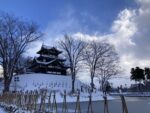 Snowy Splendor and Historic Charm: Takada Castle and its Enchanting Park in Joetsu City, Niigata