If you are planning to visit Japan in late April or early May, you may encounter one of the busiest travel seasons of the year: Golden Week (GW).
For international visitors, this period can be exciting—but also challenging. Here’s everything you need to know about Golden Week 2026.
What Is Golden Week?
Golden Week is a series of national holidays clustered together at the end of April and beginning of May. Because multiple public holidays fall within a short period, many Japanese people take additional paid leave to create a long vacation.
It is one of Japan’s three major holiday seasons, along with:
- New Year (late December–early January)
- Obon (mid-August)
During Golden Week, millions of people travel domestically and internationally.
Golden Week 2026 Dates
In 2026, the official national holidays are:
- April 29 (Wed) – Showa Day
- May 3 (Sun) – Constitution Memorial Day
- May 4 (Mon) – Greenery Day
- May 5 (Tue) – Children’s Day
Because of how the calendar falls in 2026, many people are expected to take paid leave, extending their vacations.
⚠ Travel Alert Period: April 29 – May 10, 2026
Even though the official holidays are shorter, April 29 through May 10 is considered a high-risk period for congestion. Many Japanese workers use paid leave to create a 10+ day holiday.
If you plan to visit Japan during this time, prepare carefully.
What Happens During Golden Week?
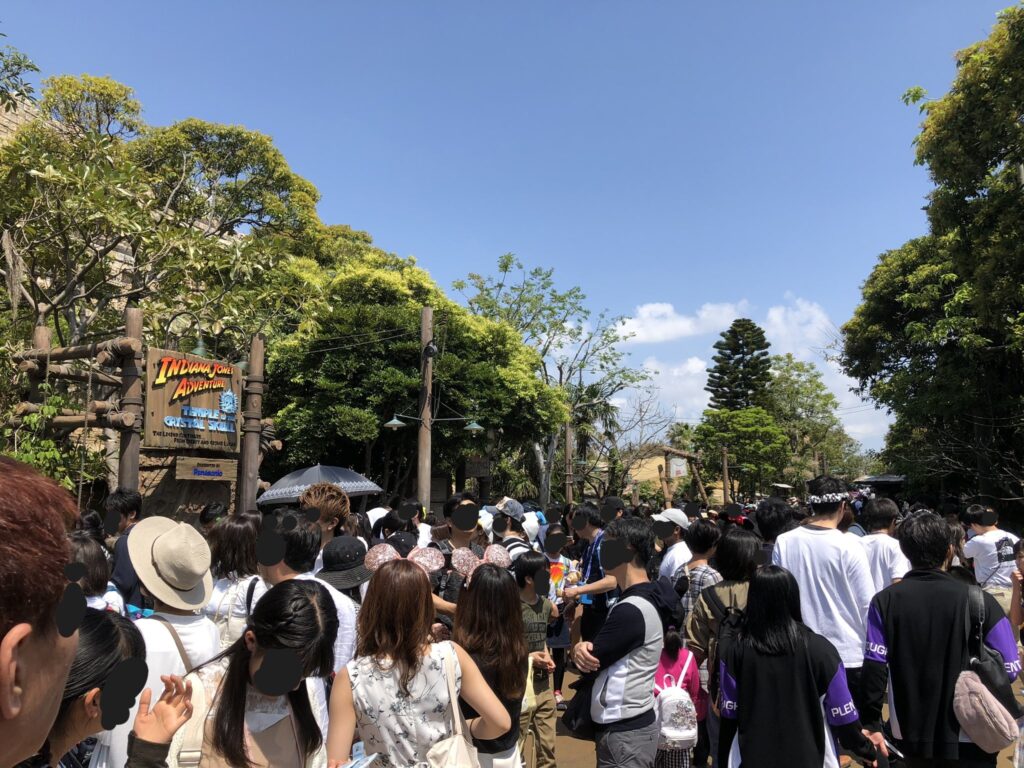
1. Major Tourist Spots Become Extremely Crowded
Expect heavy congestion at famous destinations such as:
- Fushimi Inari Taisha
- Tokyo Disneyland
- Kawaguchiko
- Kiyomizu-dera
Wait times can double or triple compared to normal seasons.
2. Hotel Prices Increase
- Hotel rates often rise significantly.
- Popular cities (Tokyo, Kyoto, Osaka) sell out early.
- Ryokan in hot spring towns are especially competitive.
Booking 2–3 months in advance is strongly recommended.
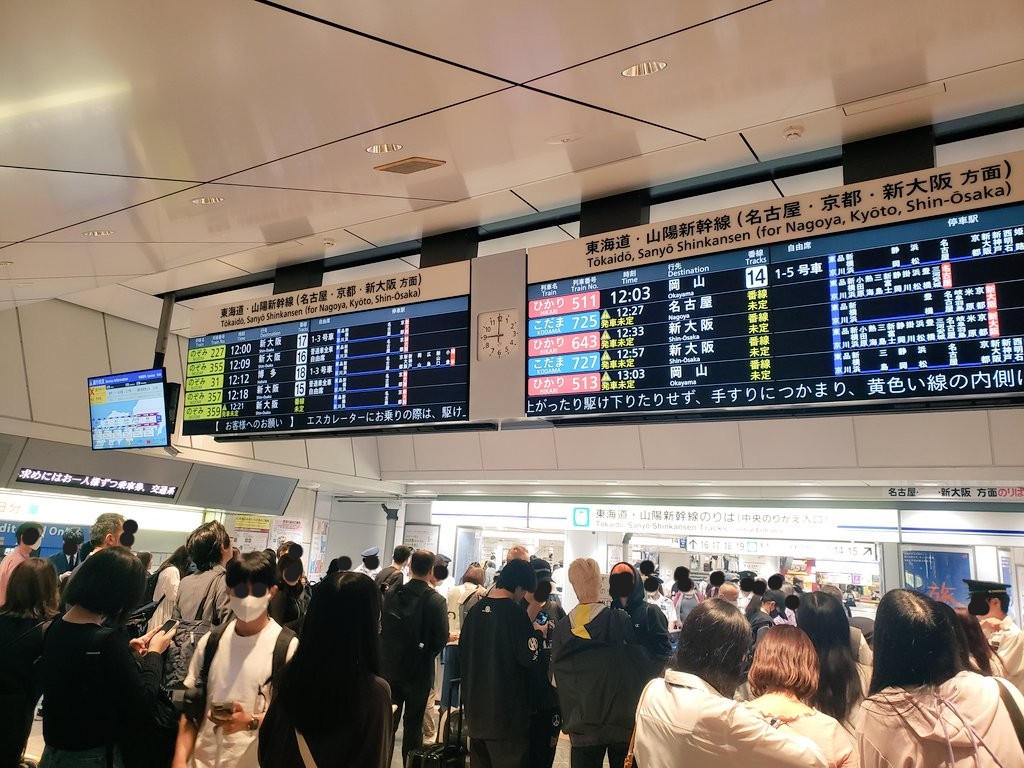
3. Flights and Trains Fill Up
- Domestic flights sell out quickly.
- Shinkansen reserved seats can be fully booked days in advance.
- Even non-reserved cars may be extremely crowded.
For example, trains on the Tokaido Shinkansen between Tokyo and Osaka are especially busy.
If possible:
- Book reserved seats early
- Avoid peak departure dates (April 29, May 2–3, May 6–7)
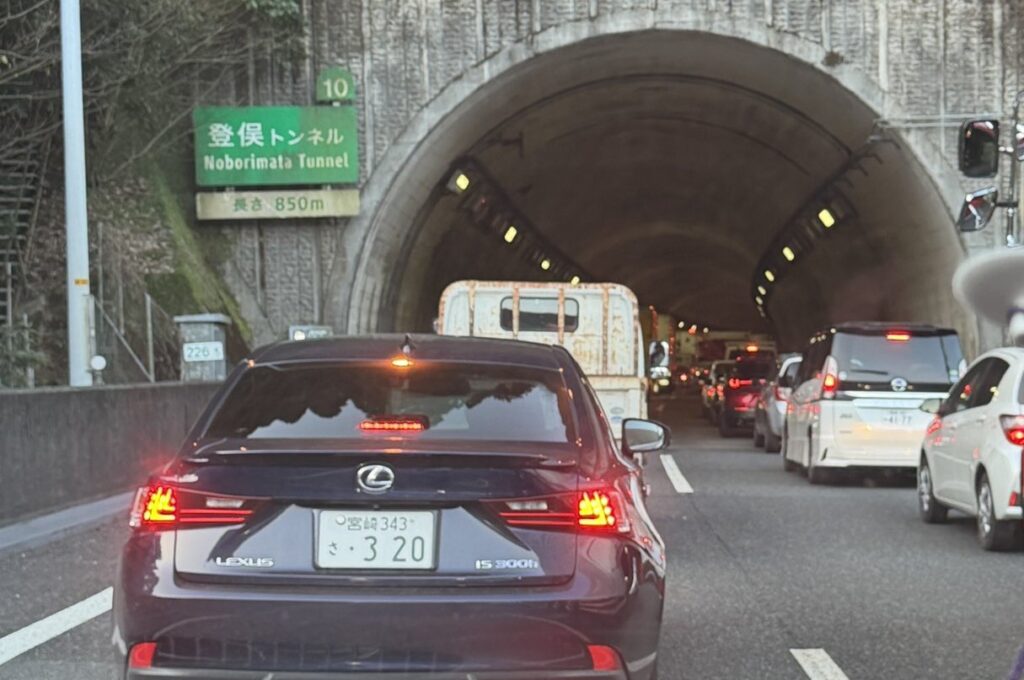
4. Highway Traffic Jams
Expressways experience massive traffic jams, sometimes stretching over 30–40 km.
Travel times by car can double or triple.
Important Tips for Foreign Travelers
✅ 1. Reserve Everything Early
Book hotels, trains, rental cars, and attractions in advance.
✅ 2. Travel Against the Flow
Japanese travelers tend to:
- Leave major cities at the start of GW
- Return near the end
You may find less congestion by:
- Staying in big cities (Tokyo/Osaka)
- Visiting business districts instead of tourist hotspots
✅ 3. Start Your Day Early
Visit popular attractions at opening time (8–9 AM).
✅ 4. Consider Hidden or Rural Destinations
Golden Week congestion is strongest in:
- Kyoto
- Hakone
- Mount Fuji area
- Theme parks
Instead, consider:
- Regional cities
- Countryside areas
- Smaller islands
- Local shopping streets
Places without large-scale events may be surprisingly calm.
Where Is It Less Crowded During Golden Week?
While no place is completely empty, the following tend to be more manageable:
- Business districts in central Tokyo
- Smaller museums
- Residential neighborhoods
- Remote countryside towns
- Lesser-known prefectures
Also, early mornings and late evenings are much quieter.
Should You Avoid Golden Week?
Not necessarily.
Golden Week can be exciting:
- Seasonal decorations
- Special events
- Spring festivals
- Beautiful late cherry blossoms in northern Japan
However, it requires advance planning and flexibility.
Final Advice
If you are visiting Japan between April 29 and May 10, 2026, expect:
- Crowded attractions
- Higher hotel prices
- Train seat shortages
- Highway traffic jams
But with smart planning, Golden Week can still be an unforgettable experience.
More from my site
 Japan’s Silver Week 2026: Dates, Crowds & Survival Guide
 Obon 2026 in Japan: A Complete Guide for Travelers
 Kyoto Station Arrival Guide: Save Time, Money & Travel Hands-Free
 Surviving Meitetsu Nagoya Station: Why It’s Tricky & How to Board
 No Suica Needed? How to Use Credit Card Tap-to-Pay for Japan Trains & Buses in 2026
 Welcome to Shinjuku Dungeon: How to Navigate the World’s Busiest Hub