
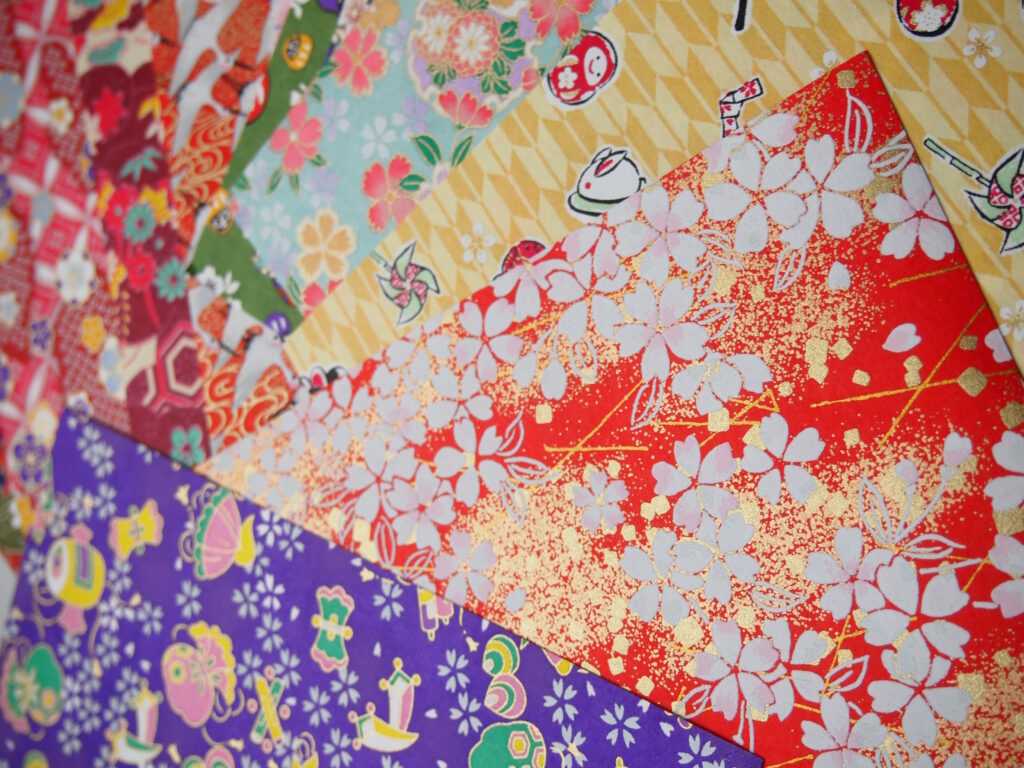
When looking for the perfect souvenir from Japan, you might think of matcha, anime goods, or local sweets. But there is one traditional treasure that is light, fits easily into your suitcase, and carries over 1,300 years of history: Washi (和紙).
Whether you are an art lover, a stationery enthusiast, or just looking for a unique gift for friends back home, here is everything you need to know about buying Washi in Japan.
What is Washi? (And Why is it Special?)
The word Washi comes from two Japanese words: Wa (和 – meaning Japanese) and Shi (紙 – meaning paper).
Unlike Western paper, which is made from wood pulp, authentic traditional Washi is made from the long, sturdy fibers of local plants—mostly Kozo (mulberry), Mitsumata, and Gampi.
Because these plant fibers are much longer than wood fibers, Washi is incredibly tough, durable, and resistant to tearing. In fact, some ancient Washi documents have lasted for over a thousand years! It feels completely different from regular paper—it has a warm, slightly textured feel, and a beautiful translucent quality when held up to the light.
What Can You Buy? Popular Washi Souvenirs
Washi is incredibly versatile. It is no longer just for old scrolls; today, it is used to make beautiful everyday items that make wonderful gifts.
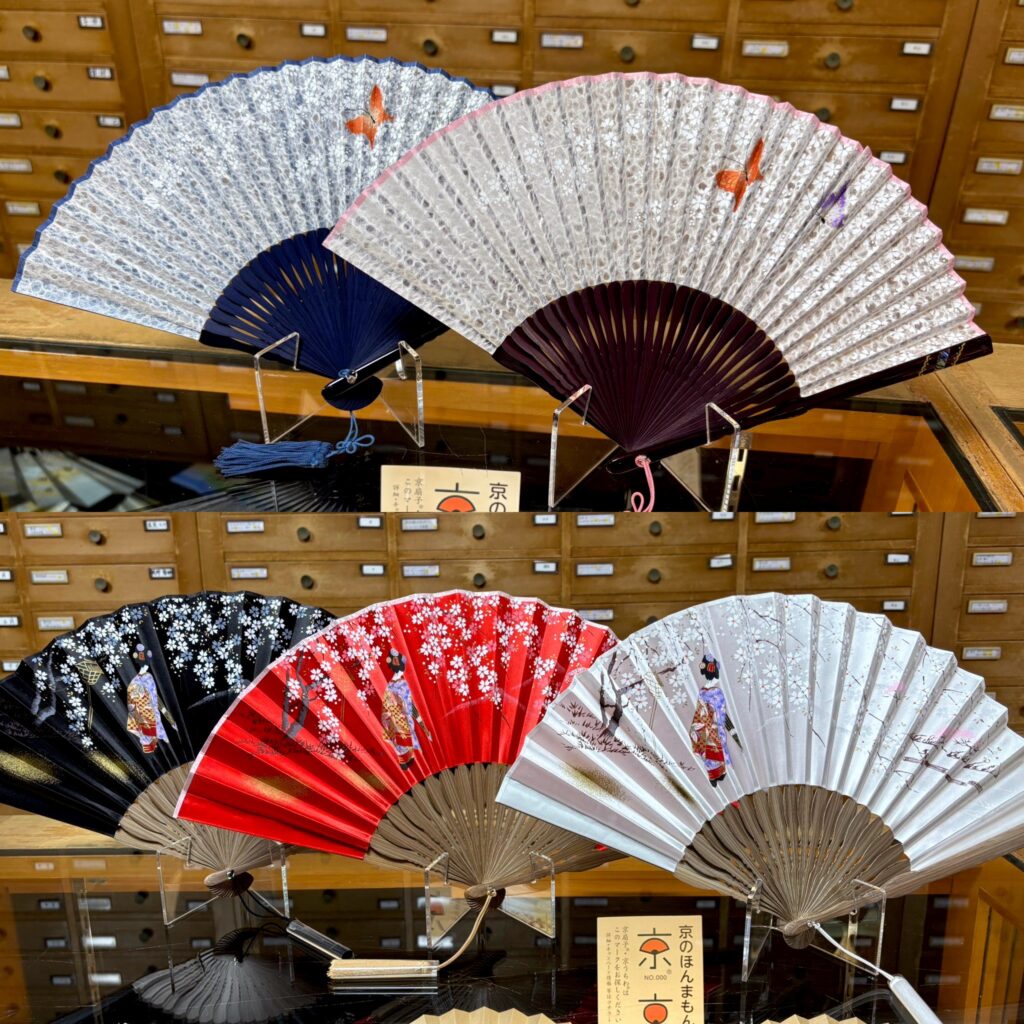
- Folding Fans (Sensu / 扇子): A masterpiece of functional art. Traditional Japanese folding fans use high-quality Washi, which creates a stronger breeze and lasts longer than cloth fans.
- Washi Tape (Masking Tape): Globally famous and loved by crafters. It is easy to peel, reposition, and write on.
- Stationery & Postcards: Writing a letter on textured Washi paper gives it a premium, heartfelt feel.
- Goshuin-cho (Stamp Books): If you are visiting shrines and temples, buying a traditional accordion-style book made with Washi to collect red ink stamps (Goshuin) is a must.
- Wallets & Pouches: Thanks to modern technology, some Washi is treated to be water-resistant and durable enough to be stitched into daily lifestyle accessories.
What is the Difference Between Washi and Chiyogami?
This is a question that trips up almost every tourist! When walking through Japanese paper shops, you will see two main types of beautiful paper:
| Feature | Washi (和紙) | Chiyogami (千代紙) |
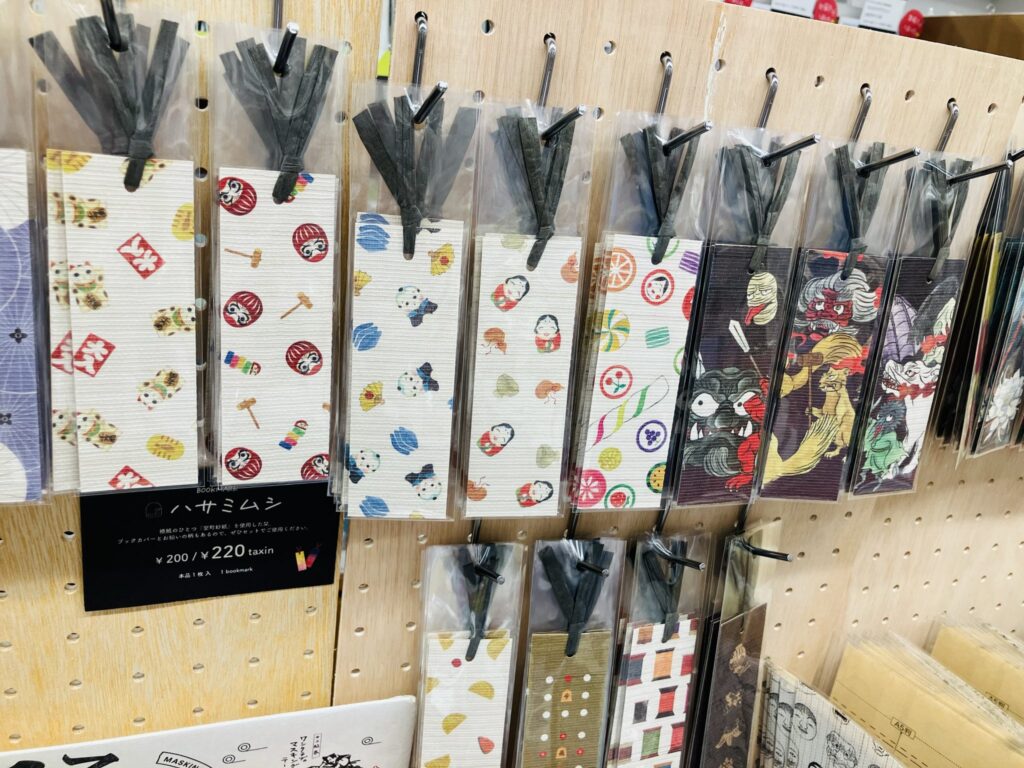
| Main Focus | Focuses on the texture and raw beauty of the paper fibers. Can be plain, dyed, or have organic patterns. | Focuses on bright, repetitive patterns heavily inspired by traditional Kimono designs (flowers, cranes, fans). |
| The Base | Often completely handmade from natural plant fibers. | Historically printed on Washi, but modern versions are often printed on regular, smooth wood-pulp paper. |
| Best For | Calligraphy, letters, lampshades, and luxury gift wrapping. | Visual crafts, colorful origami, and decorative box lining. |
💡 Fun Fact: The Secret of the Japanese Folding Fan
Did you know that when you buy a beautiful Japanese folding fan (Sensu), you are actually buying a brilliant piece of Washi engineering?
Unlike Western fans that often use cloth or plastic, traditional Japanese fans rely on layered Washi. Because Washi fibers are so long and strong, the paper can be folded thousands of times without cracking or tearing along the creases.
When you use a Washi fan, you will notice a distinct, pleasant “whoosh” sound, and it creates a surprisingly powerful breeze. It is the perfect marriage of ancient Japanese technology and summer comfort!
Where to Buy Washi & Washi Goods: From $1 to Luxury Crafts
Where you should shop depends entirely on your budget and what kind of product you are looking for.
1. Casual & Budget-Friendly (Great for souvenirs for friends)
- 100-Yen Shops (Daiso, Seria, Can-Do): Perfect for budget travelers. You can find packs of Washi-style origami paper, stickers, and simple Washi tapes for just 100 yen. You can also find cheap fans here (though these are usually made of polyester or thin cloth rather than real Washi).
- Loft & Hands: These giant lifestyle department stores are paradise for stationery lovers. They have entire floors dedicated to high-quality modern Washi products, trendy masking tapes, and stylized greeting cards. During summer, they set up massive pop-up sections for fans (Sensu), offering beautiful, modern Washi fans ranging from 2,000 to 5,000 yen.
2. Authentic & Premium (For artists, crafters, and unique luxury gifts)
If you want real, handmade Japanese paper (Te-suki Washi) or master-crafted fans, you should visit a specialty shop.
- In Tokyo (Nihonbashi area): Shops like Haibara (operating since 1806) or Ozu Washi offer stunning selections of handmade paper sheets. For premium, hand-crafted Washi fans, Ibasen (operating since 1590!) is the ultimate place to visit.
- In Kyoto (Downtown area): Shops like Morita Washi are absolute dreams for artists. If you are looking for luxury traditional fans, head to Hakuchikudo, a famous Kyoto fan maker with over 300 years of history.
Travel Tip: Packing Your Washi Safely
The best part about Washi sheets, postcards, or folding fans is that they take up almost zero weight in your luggage.
To prevent Washi sheets from bending, buy a cheap plastic folder at a convenience store, place your paper flat inside, and pack it tightly between your clothes in the middle of your suitcase. For fans, keep them in their original box or wrap them in a soft t-shirt to protect the bamboo frames!
Aichi Airport Alcoholic beverage Anime Anime pilgrimage April Architecture August Autumn Building Capital Area Cherry blossom Convenience store February Flower January Japanese food kanto Kinki Kyoto March May Nagoya Nature Nightlife Night view Osaka Photogenic Pink Sakura Shopping Shrine Souvenir Spring Station Summer Superb view Temple Tips Tokai Tokyo Traffic train White Winter

More from my site
 Why Buy Chopsticks in Japan? The Ultimate Functional Souvenir
 Complete Guide: Best Shops for Stylish Umbrellas in Japan
 Sarubobo Explained: Japan’s Lucky Doll Tourists Love in Hida Takayama
 Attention Travelers! Japan’s Tax-Free System is Changing: What You Need to Know in 2026
 Is Japan Still Cheap? 2026 Price Comparison for Travelers
 From ¥100 to Priceless: The Best DAISO Souvenirs in Japan