
Planning a trip to Japan but worried about the language barrier? It is one of the most common fears for first-time visitors. Looking at the complex kanji characters and unique writing systems, it is easy to feel overwhelmed.
The short answer is: Absolutely, yes! You can easily travel Japan without speaking a word of Japanese.
In fact, Japan’s world-class transportation networks, modern technologies, and legendary hospitality make it one of the easiest and safest countries to navigate for non-Japanese speakers. However, while you can survive on English and technology alone, the way you behave matters far more than the words you speak.
This comprehensive guide covers how to navigate daily life in Japan, the ultimate digital survival kit, and the crucial cultural etiquette that will transform you from a standard tourist into a welcomed guest.
The Reality: Where English Works (and Where It Doesn’t)
In major cities like Tokyo, Kyoto, and Osaka—often called the “Golden Route”—English infrastructure is incredibly robust. However, the level of English varies depending on the scenario. Here is exactly what to expect.
1. Trains, Subways, and Navigation
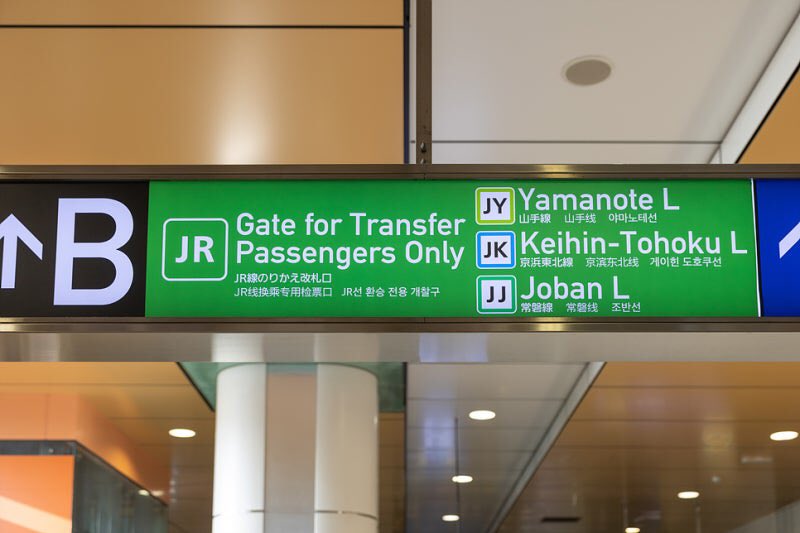
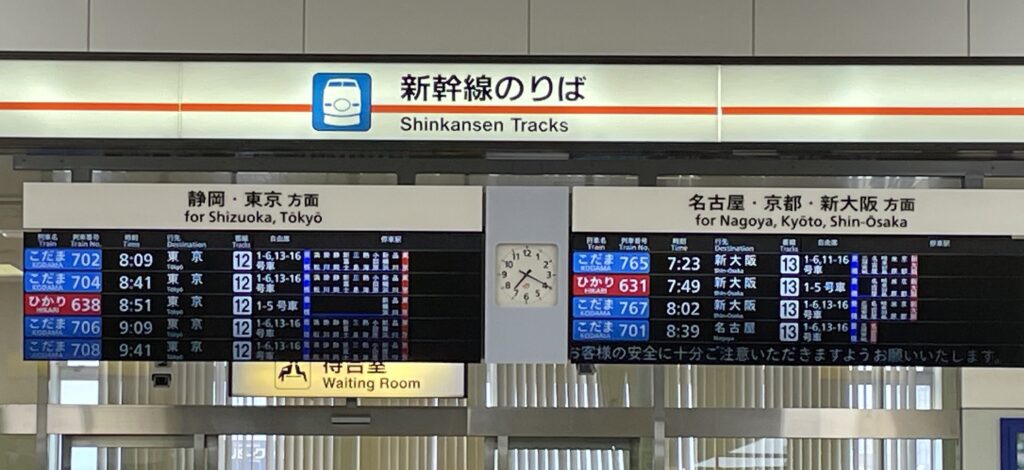
- Signs and Announcements: All major train lines, including the Shinkansen (Bullet Trains), feature English signage, digital display boards, and audio announcements. Station names are always displayed in the Roman alphabet (Romaji).
- Ticket Machines: Ticket vending machines at all stations have a prominent “English” button on the home screen.
- IC Cards (Prepaid Travel Cards): Utilizing digital or physical IC cards (like Suica or Pasmo) means you can simply tap-and-go through ticket gates, vending machines, and convenience stores without needing to speak to anyone.
2. Hotels and Accommodation
- Major Hotels: Front desk staff at mid-range to luxury hotels in major cities usually speak excellent English.
- Hostels & Guesthouses: These are often staffed by younger, English-fluent locals or international staff who are eager to share local recommendations.
- Traditional Ryokan (Inns): In more traditional accommodations, English fluency might be limited. However, they are highly experienced with international guests and utilize beautifully illustrated English sheets to explain rules, dining times, and hot spring (Onsen) etiquette.
3. Taxis and Ridesharing
- Traditional Taxis: Most local taxi drivers do not speak fluent English. Never try to tell them the address in English. Instead, show them the destination name or address on Google Maps written in Japanese characters, or have your hotel staff write it down for you.
- Ride-Hailing Apps: You can use apps like GO, S.RIDE, or Uber in major metropolitan areas. You set your destination in English on the app and pay automatically, meaning you don’t have to say a single word to the driver.
4. Restaurants and Dining
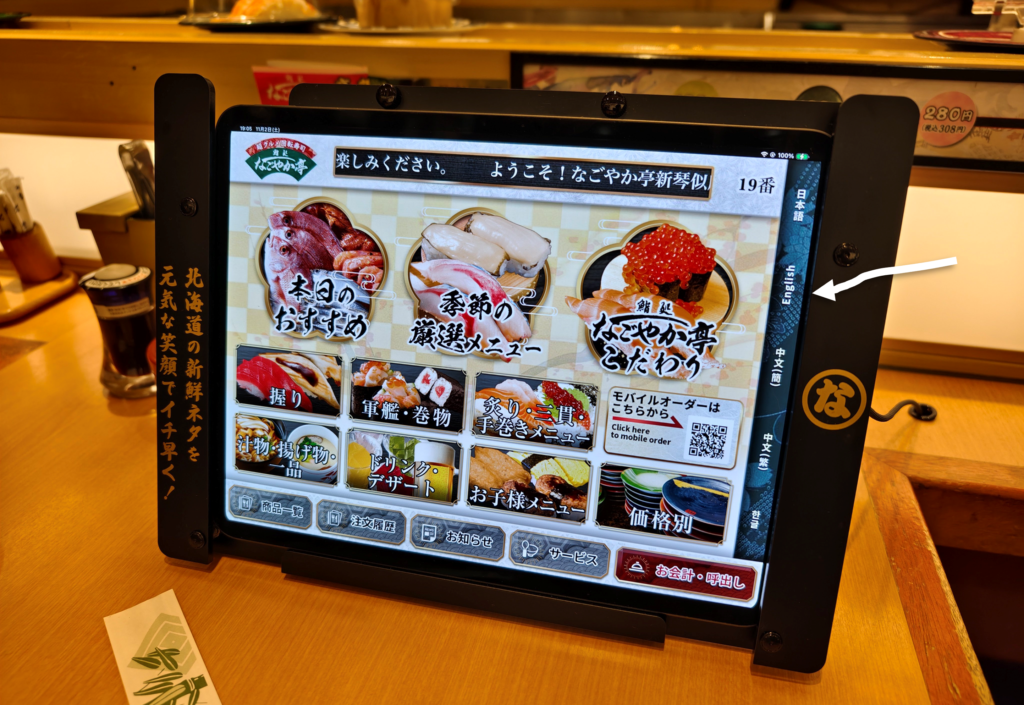
- Ordering Tablets: Many modern restaurants, casual dining spots, and Izakaya (Japanese pubs) use touch-screen tablets for ordering, which almost always feature an English menu toggle.
- Ticket Vending Machines: Casual shops (like local ramen or beef bowl spots) require you to buy a meal ticket from a machine at the entrance. These usually feature photos or English subtitles.
Going Off the Beaten Path: What About Rural Japan?
If you decide to step outside the major cities into smaller towns, coastal villages, or countryside areas (Inaka), English signage drops significantly.
- The Challenge: Local bus systems may not have English announcements, and small, family-run restaurants will only have handwritten Japanese menus.
- The Solution: Do not let this scare you away. Rural locals are exceptionally welcoming. In these areas, communication becomes a fun puzzle solved through warm smiles, universal gestures, and translation technology.
Your Digital Survival Kit: Must-Have Apps
To travel Japan seamlessly without knowing the language, make sure these essential apps are downloaded and set up on your phone before you arrive:
- Google Maps: Unbeatable for live train routes, accurate platform numbers, and walking directions. It even tells you which train car is best to board for your transfer.
- Google Translate or DeepL: Use the camera feature to scan and instantly translate Japanese menus, street signs, and ingredient lists at convenience stores.
- VoiceTra: A highly accurate voice-translation app developed by a Japanese research institute. It is uniquely optimized for travel conversations and handles Japanese sentence structures beautifully.
The Secret to a Smooth Trip: Respect Over Perfection
Here is an insider secret about traveling in Japan: Japanese people do not expect your Japanese to be perfect. What they care about most is your effort and respect.
Generally, Japanese people are incredibly kind to foreign tourists. If you try to use even a single word of Japanese, or simply communicate with a smile and a polite attitude, they will often go completely out of their way to help you.
The Changing Landscape of Japanese Hospitality
However, it is important to understand the current reality. In recent years, Japan has experienced a massive surge in tourism. Unfortunately, this has come with a sharp rise in “bad manners” and a lack of cultural awareness from some visitors.
Because of this, the local hospitality—while still world-class—is becoming more protective. If a tourist shows no respect for local rules, they will not receive the same warm welcome.
To ensure you are greeted with open arms, you must practice mindful travel. Here are the non-negotiable cultural rules to follow:
1. Mind Your Manners on Public Transit
- Keep it Silent: Keep your voice down to a whisper when riding trains or buses. Never make or take phone calls on public transit. Always switch your phone to silent mode (known in Japan as “manner mode”).
- Backpack Etiquette: On crowded trains, take your backpack off and hold it in front of you or place it on the overhead rack so you don’t hit other passengers.
2. Master the Trash Dilemma
- Carry Your Trash: Japan famously has almost no public trash cans on the streets. Do not litter under any circumstances. Carry a small plastic bag with you to store your trash until you return to your hotel room.
- Vending Machine Bins: The small bins located next to public vending machines are only for plastic bottles, aluminum cans, and glass bottles purchased from those machines. Do not stuff your personal trash into them.
3. Avoid “Walking and Eating” (Aruki-kui)
- Eat Where You Buy: Walking down the street while eating a snack or drinking a beverage is considered bad manners in Japan. If you buy street food at a market or a snack at a convenience store (konbini), consume it near the shop or find a designated seating area/food court before moving on.
4. Respect Photography Boundaries
- Ask Before Snapping: Do not shove cameras into the faces of locals, geishas in Kyoto, or store employees. Always look for “No Photography” signs, especially inside temples, shrines, and private traditional streets.
5 Essential Phrases That Will Open Every Door
While you don’t need to speak Japanese to survive, learning just a few key phrases will completely transform your trip. It breaks the ice, shows respect, and instantly signals to locals that you are a mindful traveler.
- Sumimasen (Sue-mee-mah-sen)
- Meaning: Excuse me / Sorry.
- This is your magic word. Use it to get a waiter’s attention, excuse yourself through a crowded train, or preface a question to a station staff member.
- Arigatou gozaimasu (Ah-ree-gah-toe go-zai-mass)
- Meaning: Thank you very much.
- Always say this with a slight bow when leaving a restaurant, checking out of a hotel, or receiving help.
- Eigo wa hanasemasu ka? (Ey-go wah ha-nah-seh-mass kah?)
- Meaning: Can you speak English?
- Asking this politely is far better than simply speaking English loudly at someone.
- Kore o onegaishimasu (Kore-oh oh-neh-gai-shee-mass)
- Meaning: This one, please.
- Perfect for pointing at an item on an English menu or a display case.
- Otoire wa doko desu ka? (Oh-toy-reh wah doe-ko dess kah?)
- Meaning: Where is the restroom?
- A crucial phrase for any traveler.
Conclusion
Don’t let the language barrier keep you from experiencing the wonders of Japan. Armed with a reliable data connection (eSIM), a few key translation apps, and—most importantly—a deep respect for local customs and manners, you will have a flawless, safe, and profoundly moving adventure.
Pack your bags, practice your “Sumimasen,” and get ready for the trip of a lifetime. Japan is waiting to welcome you!
More from my site
 The Complete Guide to Flying Domestic in Japan: Rules, Security & Tips
 Japan Weather in December: What to Wear and Packing Guide
 What Cannot Be Brought into Japan? Forbidden Items Guide
 Fukuoka Halloween Guide 2026: How to Experience Tenjin’s Spooktacular Night Safely
 Surviving Meitetsu Nagoya Station: Why It’s Tricky & How to Board
 Osaka Halloween 2026: The Ultimate Guide to Japan’s Best Party Spots After Shibuya’s Ban