
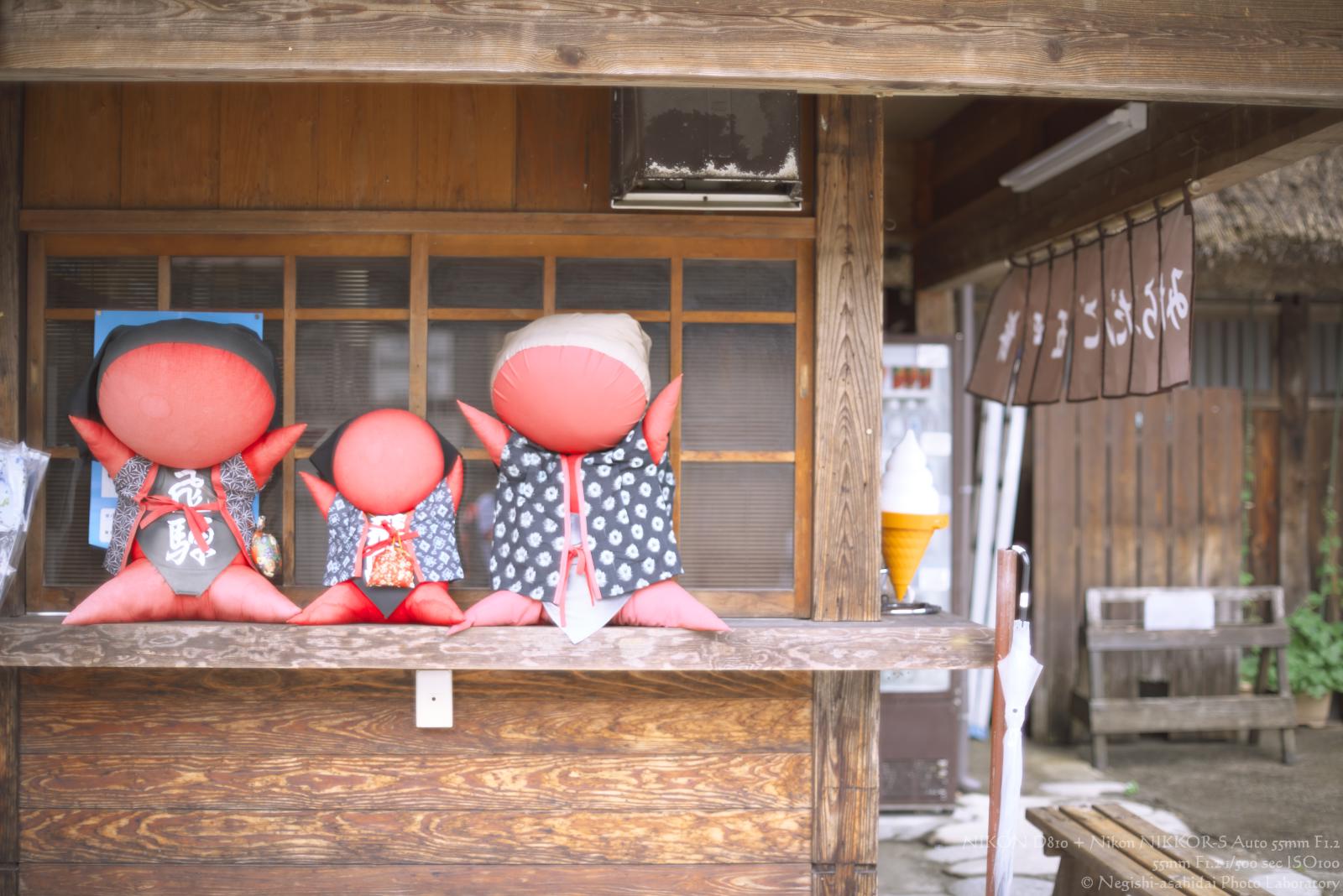
When visiting Takayama and other parts of the Hida region in central Japan, you will often notice a small, red, faceless doll displayed in shops and souvenirs stores.
This charming figure is called Sarubobo (さるぼぼ) — a traditional good-luck charm that has been loved for centuries.
What Is Sarubobo? — Origin & Features
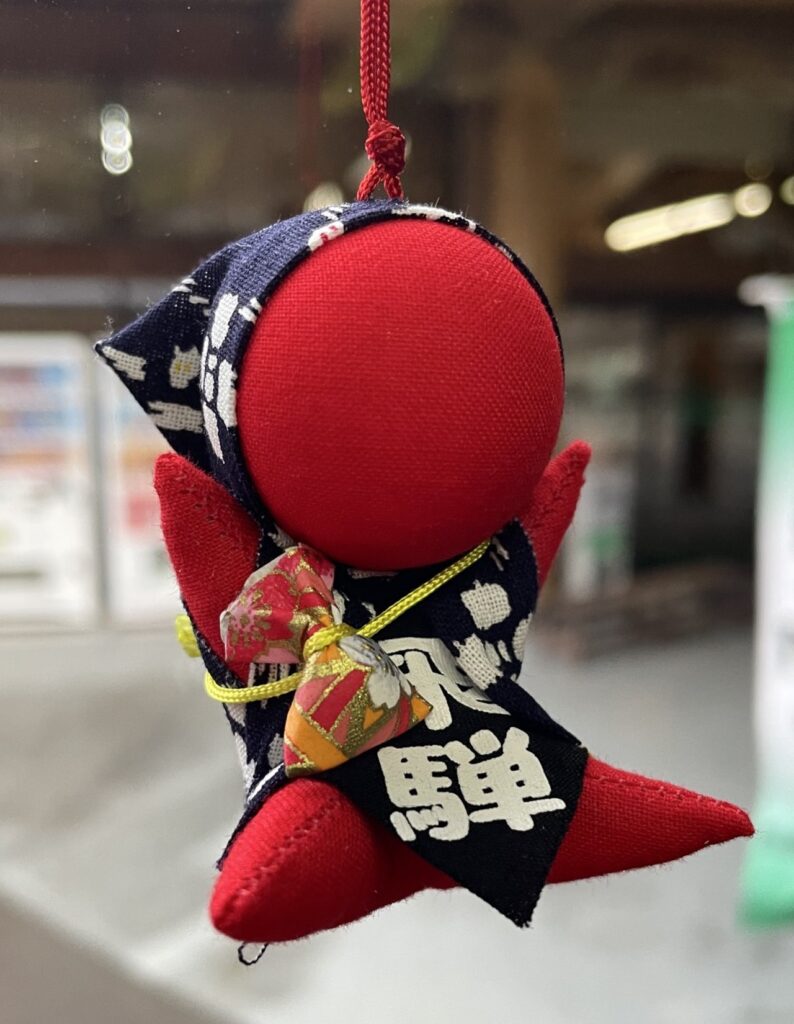
The word “Sarubobo” comes from the Hida dialect and literally means “monkey baby.”
Despite the name, the doll is not meant to look like a monkey. Instead, its simple, human-like shape symbolizes a baby wrapped in a red cloth.
Key features of Sarubobo:
- Bright red color (traditionally)
- No facial expression
- Handmade from cloth
- Small, easy to carry or display
Originally, Sarubobo were handmade by grandmothers and mothers and given to children as a protective charm.
Wishes & Blessings — What Sarubobo Represents
Sarubobo is believed to bring various kinds of good fortune and protection, especially related to family and health.
Traditional wishes include:
- Safe childbirth
- Healthy growth of children
- Protection from illness
- Good marriage and family harmony
- Overall good luck
The lack of a face is intentional — it allows the owner to project their own wishes and emotions onto the doll.
Sarubobo Colors & Their Meanings (Feng Shui)
While red Sarubobo is the most traditional, modern Sarubobo come in many colors, each associated with different wishes according to feng shui beliefs.
| Color | Meaning |
|---|---|
| 🔴 Red | Protection, health, safe childbirth |
| 🟡 Yellow | Wealth, financial luck |
| 🔵 Blue | Success in studies and career |
| 🟢 Green | Health, longevity |
| 🟣 Purple | Artistic talent, elegance |
| ⚫ Black | Protection from bad luck |
| 🩷 Pink | Love, romance, good relationships |
| ⚪ White | New beginnings, purification |
Many visitors choose a color that matches their personal goals or buy several as meaningful gifts.
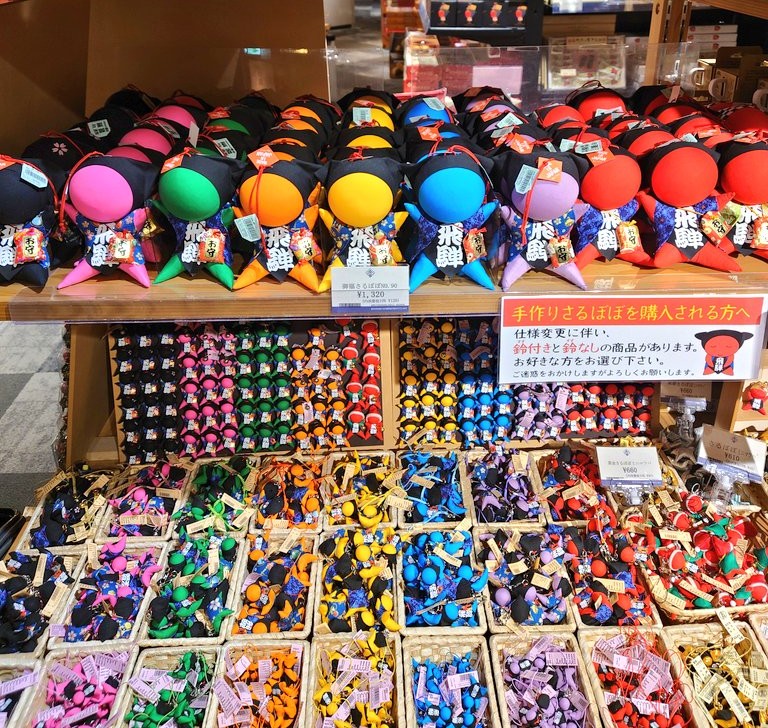
Where to Buy Sarubobo
Sarubobo are widely available throughout the Hida region, especially in tourist areas.
Best places to find Sarubobo:
- Souvenir shops in Takayama Old Town
- Miyagawa Morning Market (Takayama)
- Local craft stores in Hida-Takayama
- Roadside stations (Michi-no-Eki) in Gifu Prefecture
- Specialty shops such as Sarubobo Honpo
Prices usually range from a few hundred yen for small keychains to larger handmade dolls for display.
Why Sarubobo Makes a Perfect Japanese Souvenir
- Deep cultural meaning
- Lightweight and easy to carry
- Unique to the Hida region
- Suitable for all ages
- Thoughtful gift with a personal message
Whether you are wishing for health, happiness, love, or success, Sarubobo is more than just a cute doll — it’s a symbol of heartfelt wishes passed down through generations.
If you visit Takayama, choosing a Sarubobo might become one of the most meaningful souvenirs of your journey in Japan. travel agency bus tour is the easiest, safest, and most enjoyable way to see this magical winter village.
More from my site
 Banana Record Japan: A Guide to Used Vinyl & CDs
 Takayama & Shirakawa-go Day Tour from Nagoya: The Ultimate Year-Round Guide
 Why Buy Chopsticks in Japan? The Ultimate Functional Souvenir
 Discover Washi: The Ultimate Guide to Japan’s Best Souvenir
 Shirakawa-go Winter Light-up 2026: How to Join This Magical Event
 Winter in Shirakawa-go: A Snow-Covered Hidden Gem of Japan