
Renting a car in Japan?
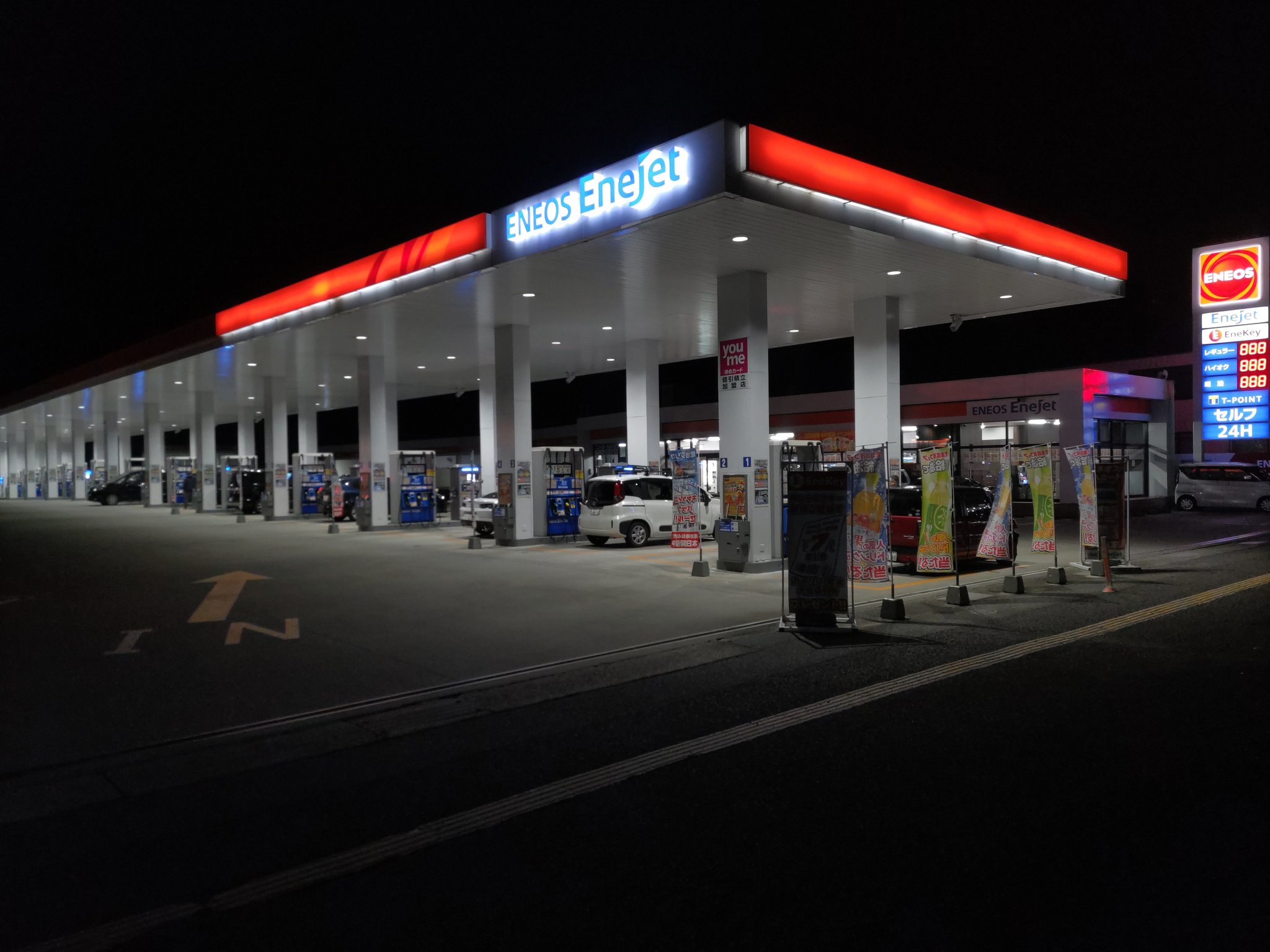
Using a Japanese gas station may look confusing at first — but it’s actually simple, safe, and very organized.
This guide explains:
- The difference between self-service and full-service stations
- How to tell them apart
- How to refuel step by step
- Extra services available
- A quick tip about highway vs city fuel prices
⛽ Two Types of Gas Stations in Japan
Japan has two main types of gas stations.
1️⃣ Self-Service (セルフ)
This is the most common type today.
At self-service stations:
- You pump the fuel yourself
- You usually pay first
- You operate a touchscreen machine
Many stations offer an English language option.
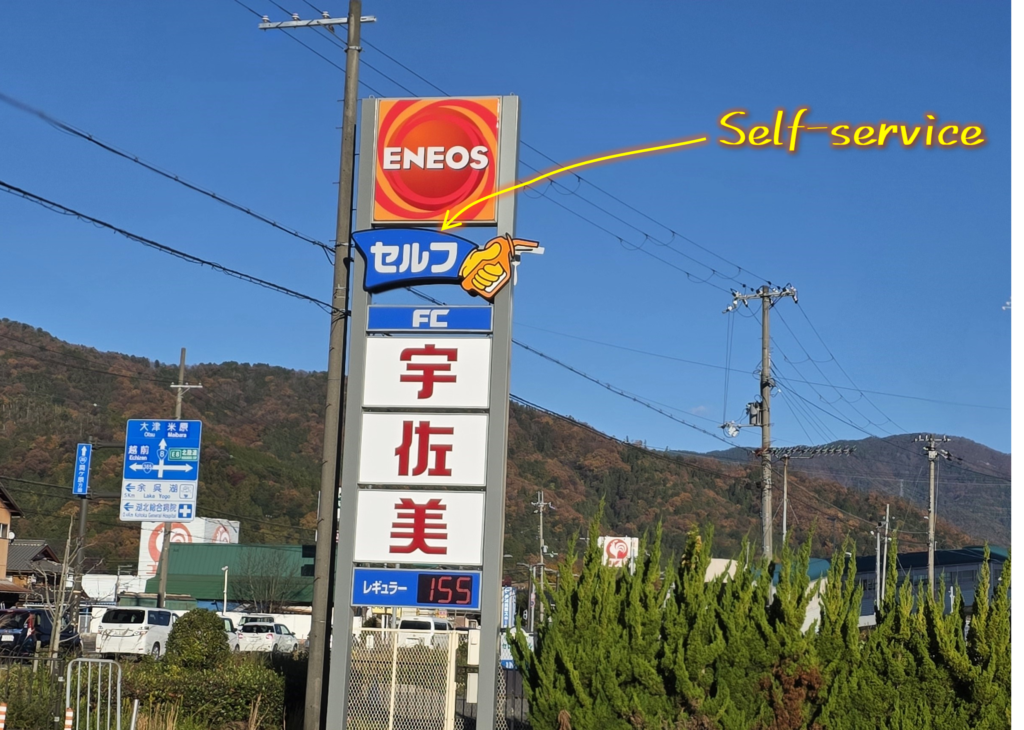
How to Identify a Self-Service Station
- Look for the word セルフ on the sign
- No staff approach your car immediately
- Each pump has a payment screen
Self-service stations are usually slightly cheaper.
2️⃣ Full-Service (フルサービス)
At full-service stations:
- Staff guide your car to the pump
- You stay inside the vehicle
- Staff refuel for you
- They often clean your windows
- They may collect small trash from your car
Simply lower your window and say:
“Regular, please.”
“High-octane, please.”
“Diesel, please.”
“Full tank, please.”
Payment is made after refueling.
Full-service stations cost a little more but are very convenient.
⛽ Fuel Types in Japan
Make sure you choose the correct fuel:
- レギュラー = Regular gasoline
- ハイオク = High-octane (Premium)
- 軽油 = Diesel
Always check:
- The sticker inside the fuel door
- Your rental agreement
If unsure, ask the staff before pumping.
⛽ Step-by-Step: How to Use a Self-Service Station
- Park next to the pump.
- Turn off the engine.
- Select language (if available).
- Choose your fuel type.
- Insert payment (cash or credit card).
- Remove the nozzle and refuel.
- Return the nozzle.
- Take your receipt.
⚠ Do not use your phone while refueling.
⚠ Avoid re-entering the vehicle during pumping (static electricity risk).
⛽ Highway vs City Gas Stations (Quick Tip)
Gas stations located on expressways (Service Areas / SA) are usually more expensive than regular roadside stations.
Many highway rest areas are operated by companies such as:
- NEXCO East Japan
- NEXCO Central Japan
- NEXCO West Japan
Fuel prices on highways can be 5–15 yen per liter higher.
💡 To save money:
Refuel in cities or suburbs before entering the expressway.
⛽ What Else Can You Do at a Japanese Gas Station?
Japanese gas stations often offer more than just fuel.
🚻 Clean Restrooms
Many stations provide:
- Free toilets
- Very clean facilities
- Modern equipment
Highway service areas are especially well maintained.
🥤 Vending Machines
It is common to find vending machines selling:
- Coffee
- Tea
- Soft drinks
- Water
Perfect for a quick break.
🧹 Small Trash Disposal
At full-service stations, staff may collect:
- Small trash bags
- Empty bottles
Large garbage disposal is usually not allowed.
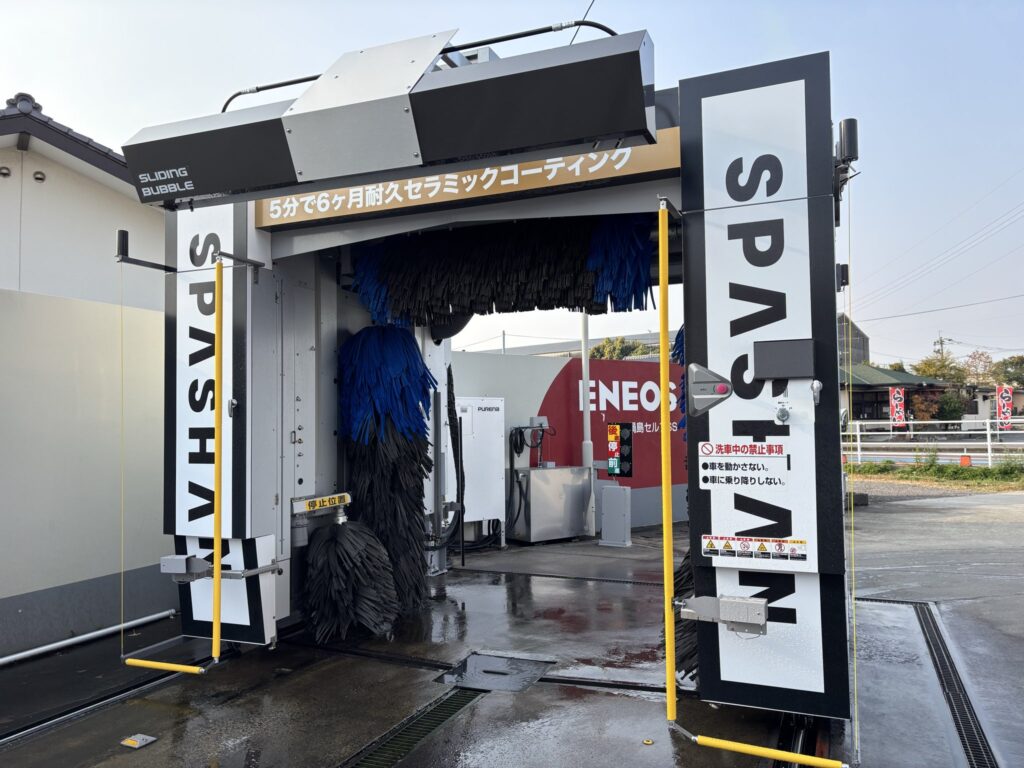
🚿 Car Wash (洗車)
Many stations offer:
- Automatic drive-through car wash
- Self-wash bays
- Hand wash (at some locations)
Payment is usually through a separate machine.
🌬 Tire Air Pressure (空気圧)
Most stations have:
- Free air compressors
- Tire pressure gauges
You can check and adjust tire pressure yourself.
🛢 Light Maintenance
Some stations also provide:
- Engine oil changes
- Wiper replacement
- Battery checks
More common at full-service stations.
🏪 Convenience Stores at Gas Stations
Some larger stations are connected to convenience stores such as:
- 7-Eleven
- FamilyMart
- Lawson
You can buy snacks, use ATMs, or take a short rest.
⛽ Helpful Japanese Words
- セルフ = Self-service
- フルサービス = Full-service
- レギュラー = Regular
- ハイオク = High-octane
- 軽油 = Diesel
- 満タン (Mantank) = Full tank
⛽ Final Advice for Tourists
Japanese gas stations are:
- Safe
- Clean
- Well-organized
- Tourist-friendly
If you’re unsure:
- Look for the word セルフ
- Observe whether staff approach your car
- Or simply ask: “Self?”
Staff are polite and helpful, even if you don’t speak Japanese.
Once you understand how it works, refueling in Japan is easy — and road trips become stress-free.
Enjoy driving in Japan 🚗🇯🇵
More from my site
 How to Rent a Car in Japan: Driver’s License, Documents, Insurance & Tips
 Fuel in Japan: Regular, High-Octane, and Diesel — What’s the Difference?
 Parking in Japan: How to Use Coin Parking and Avoid Fines
 Rent a Car from New Chitose Airport: 6 Best Options for Foreign Travelers
 Japanese Road Signs: Be Mindful of the Unique Shape of the ‘止まれ’ Sign
 How to Use Taxis in Japan (2026 Guide)