
Kyoto is undeniably beautiful. Its towering pagodas, bamboo groves, and historic geisha districts top almost every traveler’s Japan bucket list. However, with over-tourism reaching historic highs, iconic spots like Fushimi Inari Shrine or Kiyomizu-dera are often packed shoulder-to-shoulder, making it hard to find that peaceful, traditional atmosphere you’ve been dreaming of.
Fortunately, Japan is filled with hidden gems that offer the same historic charm, stunning architecture, and deep cultural roots—minus the sea of selfie sticks. Here are 5 incredible alternative destinations where you can experience the true, serene soul of old Japan.
1. Hida-Takayama (Gifu) — The “Little Kyoto” of the Japanese Alps
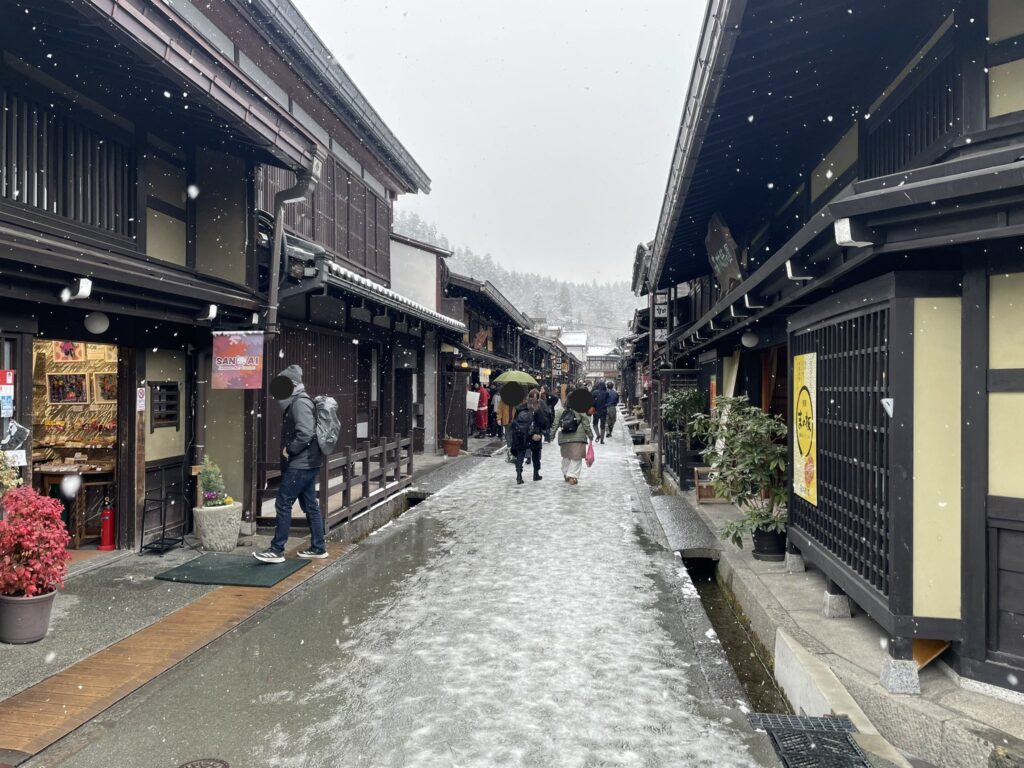
Nestled deep in the mountainous Gifu Prefecture, Takayama preserves a beautifully preserved merchant town from the Edo period (1603–1867). It offers a compact, highly walkable historic district that rivals Kyoto’s Higashiyama, but with a crisp, alpine breeze.
- Why It Clicks for Travelers:While Kyoto’s historic streets can feel overwhelmed by crowds, Takayama allows you to stroll at your own pace. The dark, wooden architecture against the backdrop of the northern alps feels like stepping back in time. It is especially magical in winter when covered in a blanket of pristine snow.
- Top Highlights:
- Sanmachi Suji: The historic core, lined with traditional wooden merchant houses, sake breweries offering tastings, and cozy craft shops.
- Takayama Jinya: The only remaining government office from the Edo period in Japan. A must-visit for history buffs.
- Miyagawa Morning Market: A lively open-air market along the river where you can interact with local farmers and try fresh Hida beef skewers.
- Access: Around 2.5 hours from Nagoya via the JR Hida Limited Express train.
2. Kanazawa (Ishikawa) — Samurai Culture & Exquisite Arts
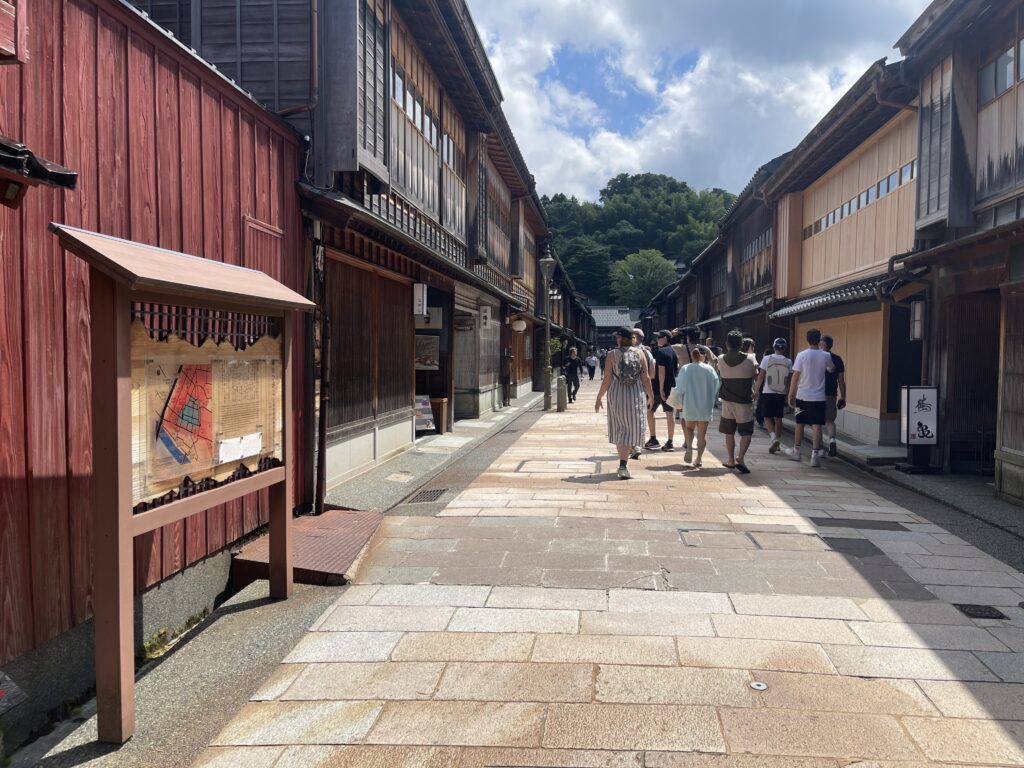
If Kyoto represents the elegant culture of the imperial court, Kanazawa represents the bold, powerful culture of the Samurai. Having escaped destruction during WWII, Kanazawa retains incredibly authentic historic districts alongside cutting-edge modern art.
- Why It Clicks for Travelers:For those fascinated by Geisha culture, Kanazawa’s chaya (teahouse) districts offer an atmosphere that is just as enchanting as Gion, but much more relaxed. The city is also world-famous for its traditional crafts, particularly gold leaf, allowing travelers to try hands-on workshops.
- Top Highlights:
- Higashi Chaya District: Stunning wooden teahouses where you can hear the faint sounds of shamisen strings in the evening.
- Kenroku-en Garden: Ranked as one of Japan’s “three most beautiful landscape gardens.” Its massive scale and meticulous design are breathtaking.
- Nagamachi Samurai District: A quiet neighborhood of cobblestone streets and earthen walls where samurai families once lived.
- Access: Directly accessible from Tokyo (approx. 2.5 hours) or Kyoto (approx. 2 hours) via the Hokuriku Shinkansen/Limited Express.
3. Omihachiman (Shiga) — A Peaceful Canal Town Just 30 Mins from Kyoto
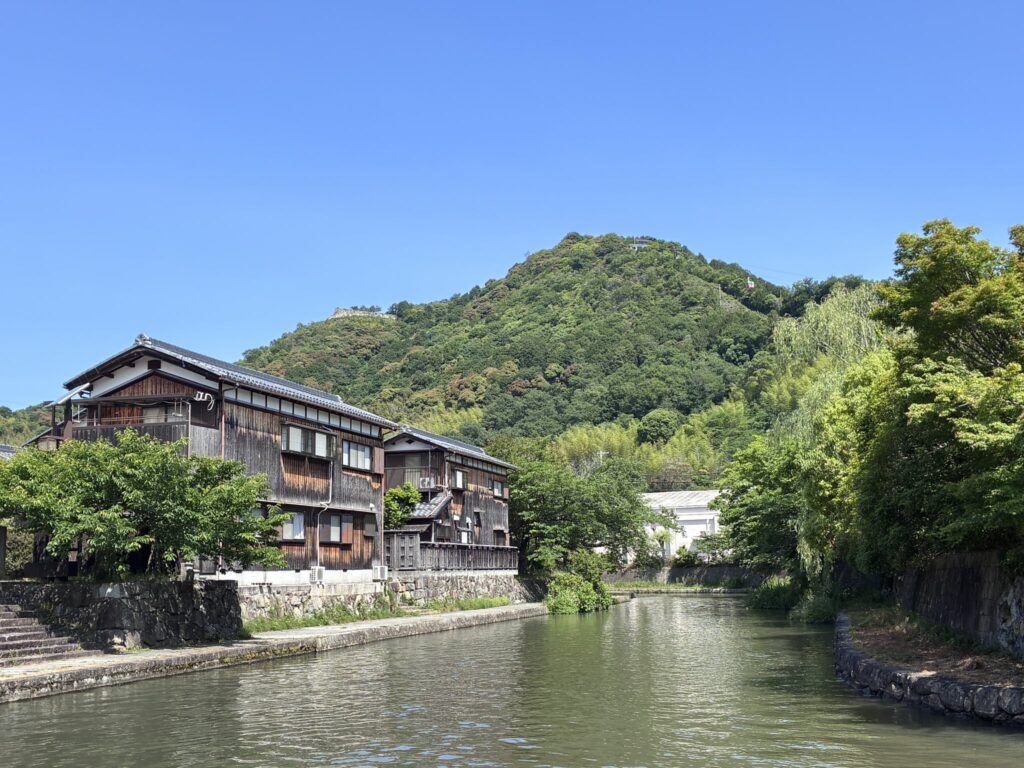
If you love the romantic water views of Kyoto’s Arashiyama or Uji but want to escape the crowds completely, Omihachiman is the ultimate hidden gem. Located on the shores of Lake Biwa, this historic merchant town is incredibly close to Kyoto yet remains blissfully quiet.
- Why It Clicks for Travelers:It offers the ultimate sense of Zen tranquility. The scenic canals, once used by local merchants, now serve as a peaceful retreat where traditional wooden boats glide under weeping willows. It is a frequent filming location for Japanese samurai films because of its untouched historic aesthetic.
- Top Highlights:
- Hachiman-bori Canal: A picturesque canal lined with white-walled storehouses and stone paths perfect for a quiet afternoon stroll.
- Suigo Meguri (Canal Boat Ride): A relaxing, hand-paddled boat tour through the reeds and waterways—the perfect antidote to Kyoto’s bustling transit.
- Himire Hachiman-gu Shrine: An ancient, atmospheric shrine nestled at the base of a forested mountain.
- Access: Only a 30-minute ride from JR Kyoto Station via the Special Rapid Service train.
4. Kurashiki Bikan Historical Quarter (Okayama) — The “Venice of Japan”
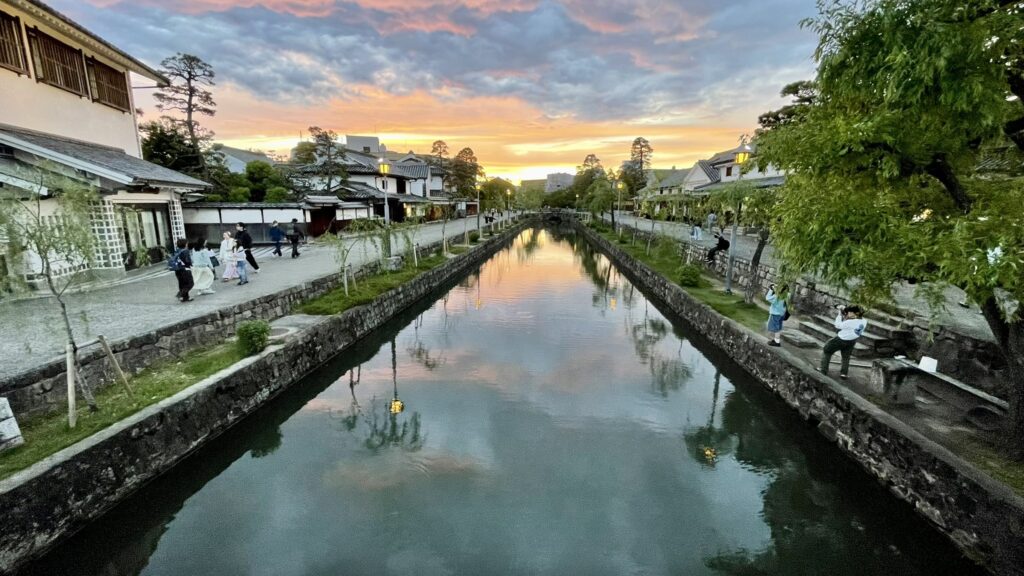
Perfectly positioned along the “Golden Route” between Kyoto and Hiroshima, Kurashiki is an ideal stopover. The Bikan Historical Quarter features a stunning canal system lined with 17th-century rice storehouses painted in stark white and black tiles.
- Why It Clicks for Travelers:The contrast of willow trees dipping into the river against the whitewashed walls is incredibly photogenic. Kurashiki beautifully blends traditional Japanese architecture with a touch of Western influence, creating a romantic, poetic atmosphere that feels distinct from Kyoto’s strictly religious architecture.
- Top Highlights:
- The Canal Area: Beautifully preserved storehouses that have been converted into chic denim boutiques (Kurashiki is the birthplace of Japanese denim) and retro cafes.
- Ohara Museum of Art: Japan’s very first museum of Western art, showcasing masterpieces by Monet, El Greco, and Picasso inside a neoclassical building nestled in a traditional neighborhood.
- Kurashiki River Boat Ride: A short, traditional boat ride that gives you a unique water-level view of the historic architecture.
- Access: Just 15 minutes by local train from Okayama Shinkansen Station.
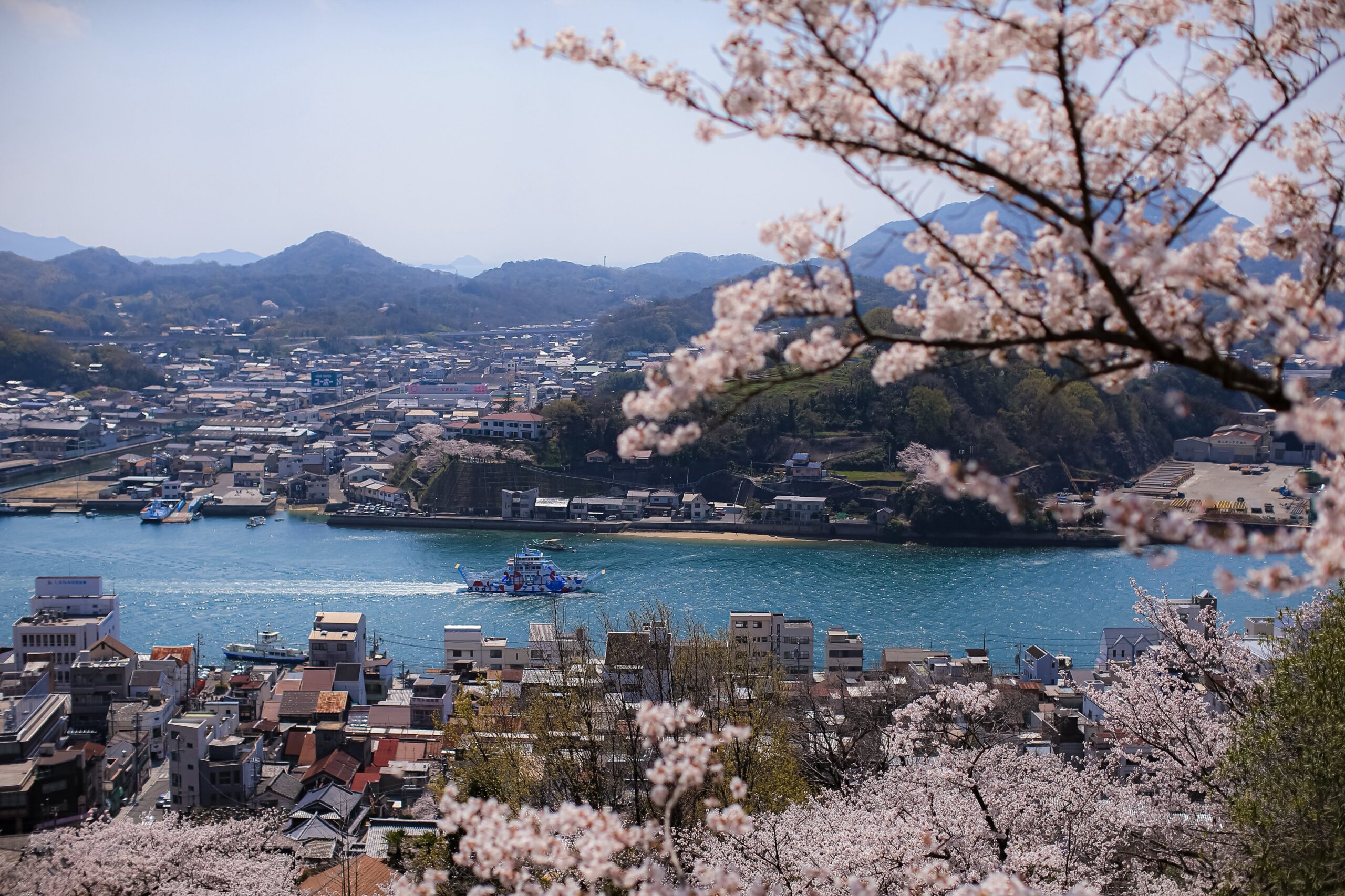
5. Onomichi (Hiroshima) — Nostalgic Hills, Temple Trails, and Sea Views
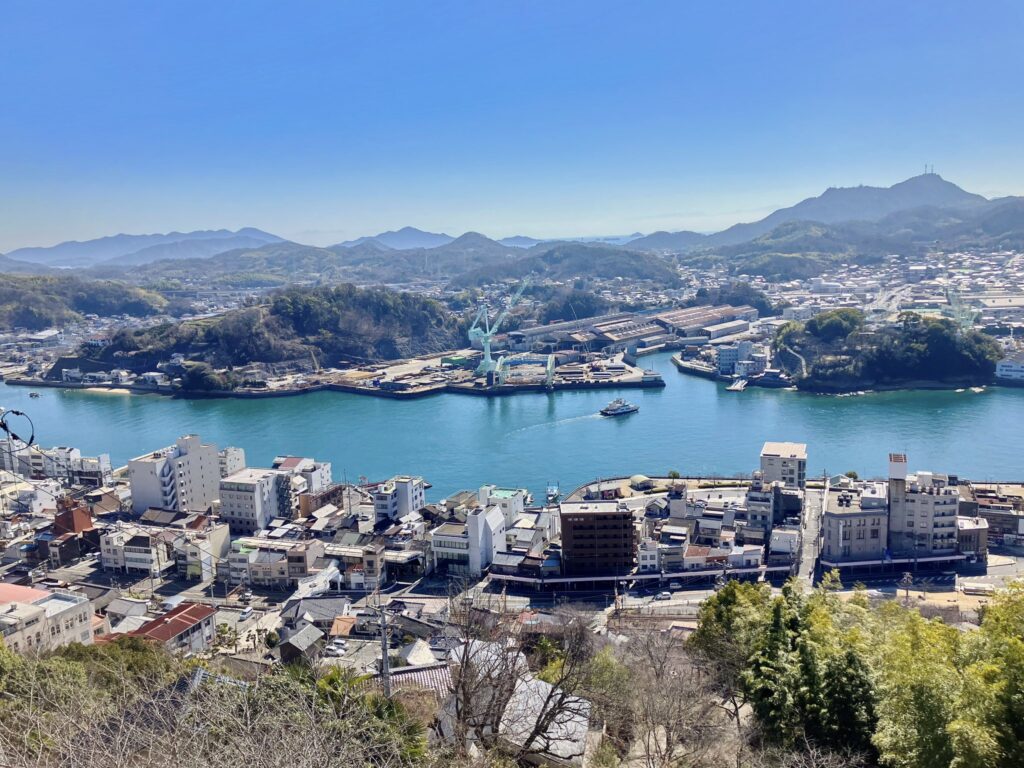
For travelers who want a mix of history, stunning scenery, and outdoor adventure, Onomichi is an unforgettable alternative. Built on steep hills overlooking the Seto Inland Sea, this nostalgic port town offers a different kind of beauty than Kyoto’s flat valleys.
- Why It Clicks for Travelers:If you love the hillside views from Kyoto’s Kiyomizu-dera, Onomichi will blow you away. The town is a labyrinth of narrow, winding alleyways, stone staircases, and hidden temples overlooking the sparkling sea. It is also the gateway to the world-famous Shimanami Kaido cycling route, making it perfect for active travelers.
- Top Highlights:
- Senko-ji Temple: Perched dramatically on a cliffside, offering sweeping, panoramic views of the town and the islands of the Inland Sea.
- The Temple Walk: A marked path that guides you through 25 historic temples tucked into the quiet mountain slopes.
- Cat Alley (Neko no Hosomichi): A whimsical, narrow path filled with quirky local art and plenty of friendly, free-roaming local cats.
- Access: Easily reached via Fukuyama or Mihara Shinkansen stations, located roughly halfway between Osaka and Hiroshima.
📌 Quick Summary Table for Your Trip
| Destination | Vibe | Main Draw | Best For |
| Takayama | Alpine Historic | Dark wooden townhouses & sake breweries | Mountain lovers, cozy winter vibes |
| Kanazawa | Golden Samurai | Geisha districts & world-class gardens | Culture buffs, premium crafts |
| Omihachiman | Peaceful Waterside | Historic canals & hand-paddled boats | Ultimate quiet, easy day-trip from Kyoto |
| Kurashiki | Romantic Maritime | Willow-lined canals & whitewashed storehouses | Photographers, denim shopping |
| Onomichi | Coastal Nostalgia | Hillside alleys, sea views & cycling | Active travelers, panoramic scen |
Aichi Airport Alcoholic beverage Anime Anime pilgrimage April Architecture August Autumn Building Capital Area Cherry blossom Convenience store February Flower January Japanese food kanto Kinki Kyoto March May Nagoya Nature Nightlife Night view Osaka Photogenic Pink Sakura Shopping Shrine Souvenir Spring Station Summer Superb view Temple Tips Tokai Tokyo Traffic train White Winter

More from my site
 Ine Funaya Guide: How to Visit Kyoto’s Scenic Boat Village
 Hikone Castle: Japan’s Authentic Feudal Stronghold Near Kyoto, Osaka & Nagoya
 Takayama & Shirakawa-go Day Tour from Nagoya: The Ultimate Year-Round Guide
 Tokyo National Museum: What to See and Why It’s Worth Visiting
 The Ultimate June Day Trip to Uji: Hydrangeas at Mimuroto-ji
 The Ultimate Guide to Emerald Sea at Tsunoshima Ohashi (角島大橋) in Yamaguchi, Japan