
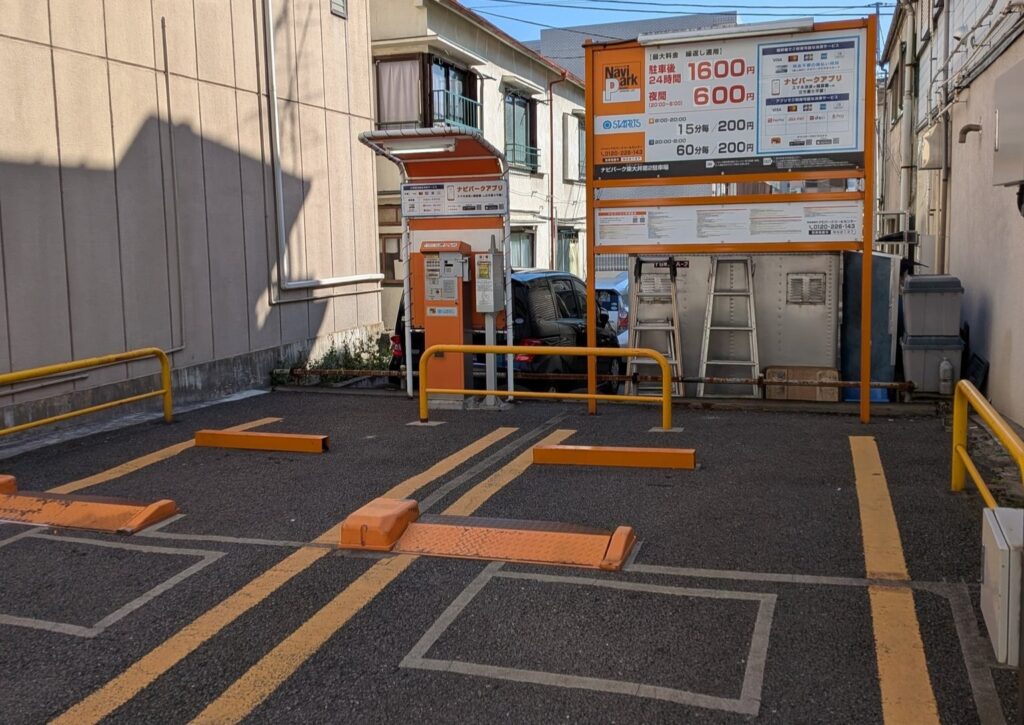
If you plan to rent a car or drive in Japan, you will quickly notice coin parking lots everywhere—near stations, tourist spots, and city centers.
Understanding how they work is essential, because illegal parking in Japan is strictly enforced and expensive.
This guide explains why coin parking is necessary, the different types, how to read price signs, and how to pay correctly.
Why Do You Need to Use Coin Parking in Japan?
1. Illegal Parking Is Heavily Fined 🚓
Parking on the street, even “just for a few minutes,” can result in a fine of around ¥10,000–¥15,000, plus penalty points.
In busy cities, parking enforcement officers patrol constantly.
2. Street Parking Is Rare
Unlike some countries, free street parking is extremely limited in Japan—especially in urban areas.
3. Convenience Near Tourist Spots
Coin parking lots are often located:
- Near train stations
- Around shrines, temples, and shopping areas
- In residential neighborhoods
They are designed for short-term, flexible parking.
4. No Attendant Needed
Most coin parking is fully automated, making it easy even if you don’t speak Japanese.
Main Types of Coin Parking in Japan
1. Gate-Type Parking (ゲート式)
Common in large parking lots
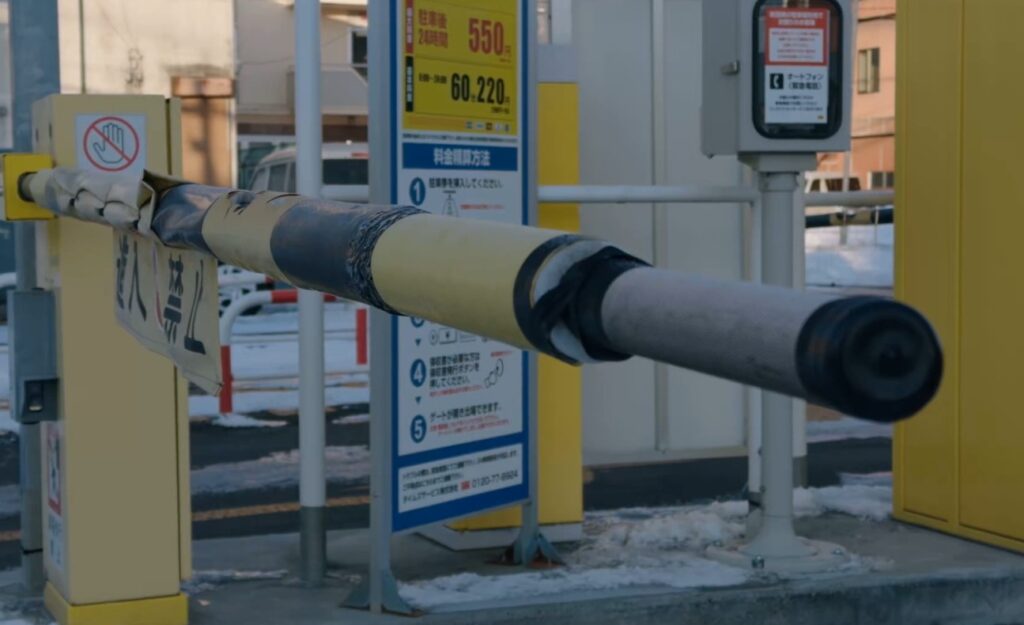
How it works
- A gate opens when you enter
- You take a ticket
- Pay at a machine before exiting
Best for
- Shopping malls
- Tourist facilities
- Longer stays
2. Lock-Type Parking (ロック式)
Very common in cities
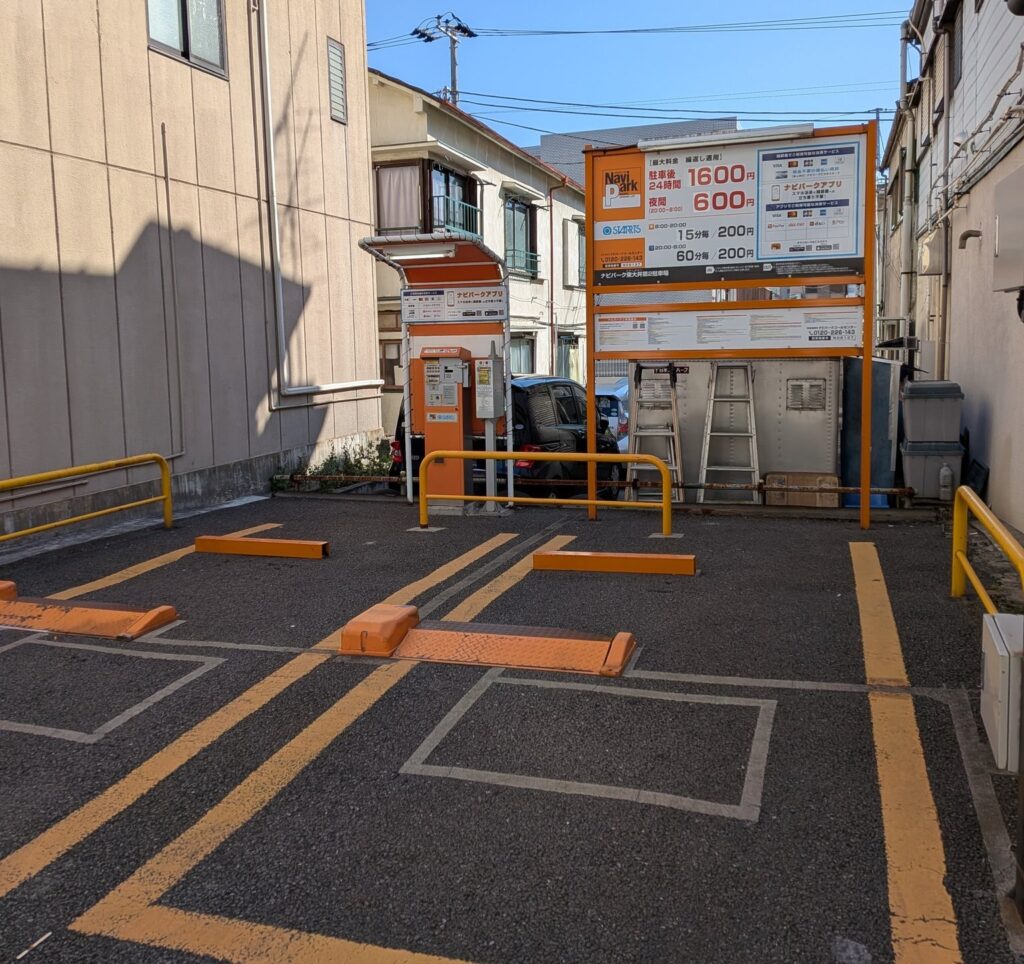
How it works
- You park over a metal plate
- The plate rises and locks your car
- Pay at a machine → lock goes down
Important
- Do not drive away before paying
- The lock can damage your car if forced
3. Lockless / Camera-Type Parking (ロックレス式)
Increasing rapidly in recent years 📸
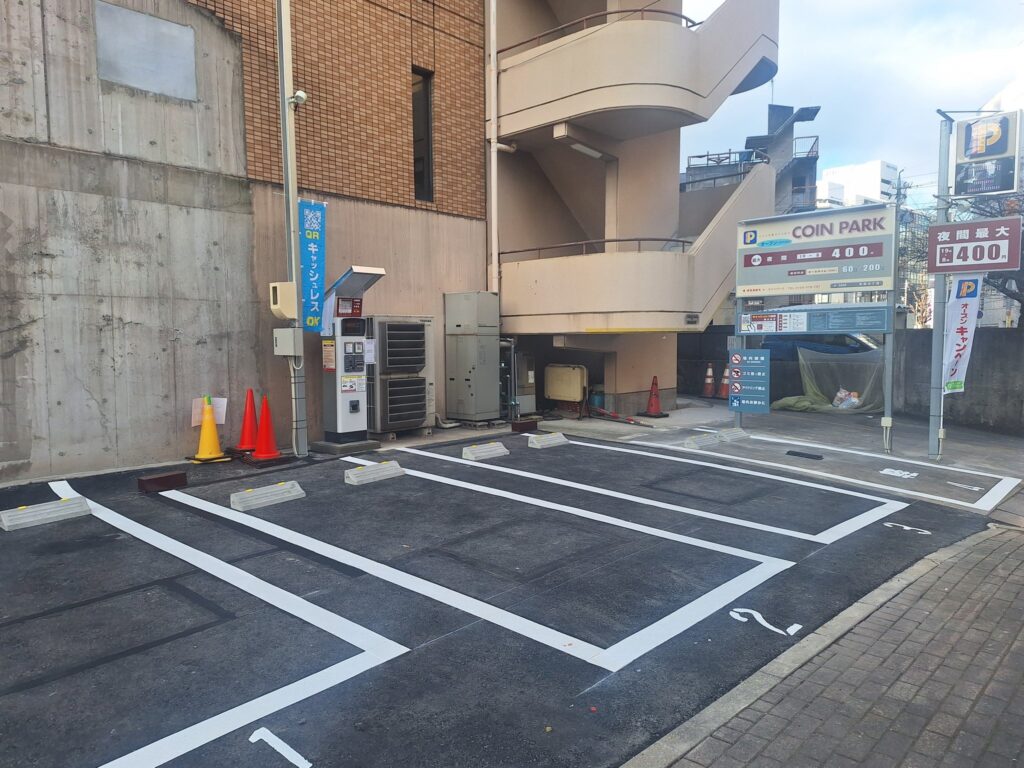
How it works
- Cameras record your license plate
- No physical lock
- Pay at a machine by entering your plate number
Why it’s popular
- Faster
- No risk of damaging your car
- Easier for beginners
4. Prepaid Parking (前払い式)
Relatively rare
How it works
- Pay first at a machine
- Place the receipt on your dashboard
- Park for the paid time
Seen mostly
- In rural areas
- Near sightseeing spots
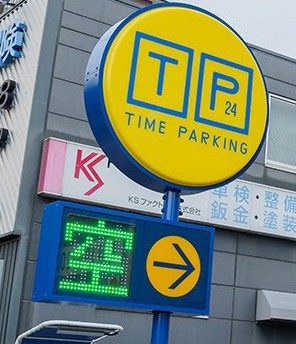
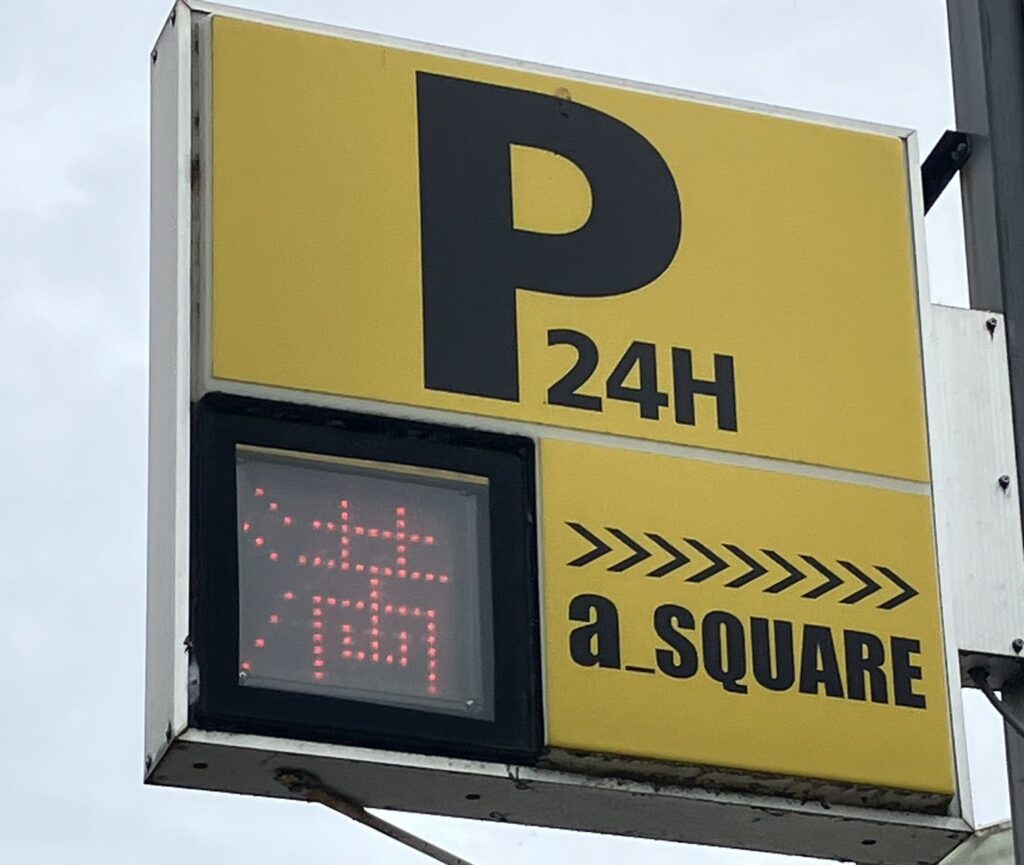
What Do 「空」and「満」Mean?
These signs are extremely important:
- 空 (Aki) = Available
- 満 (Man) = Full
If it says 満, do not enter—even if it looks empty.
Some systems track availability electronically.
How Much Does Coin Parking Cost?
Typical Prices (City Areas)
- ¥100–¥300 per 15–30 minutes
- ¥800–¥2,000 per day (maximum rate)
Prices vary greatly depending on location and time.
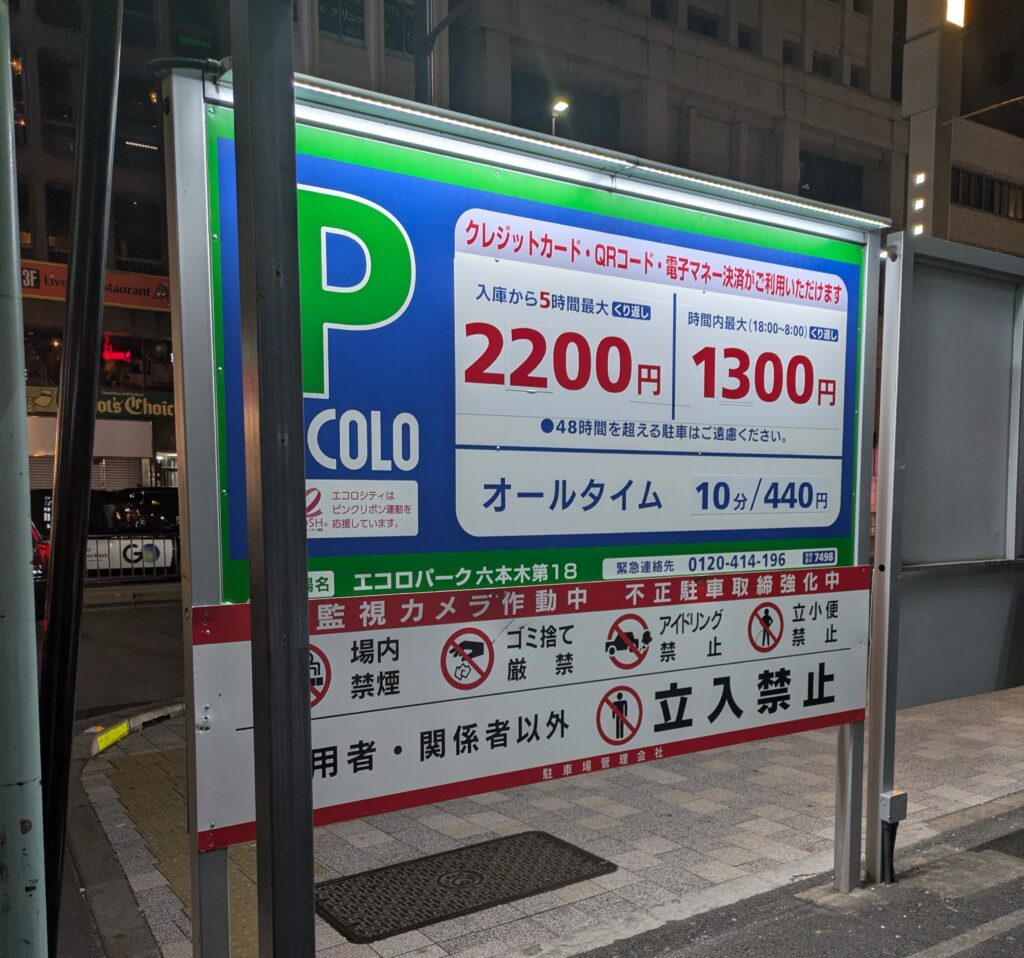
How to Read Japanese Parking Fee Signs
A typical sign might say:
- 20分 ¥200 → ¥200 per 20 minutes
- 最大料金 ¥1,200 → Maximum daily charge
- 入庫後24時間 → Within 24 hours after parking
- 夜間最大 ¥500 (18:00–8:00) → Nighttime max fee
⚠️ Maximum fees often reset every 24 hours, not per calendar day.
How to Pay (By Parking Type)
Gate-Type
- Take a ticket when entering
- Pay at a machine (cash or card)
- Insert ticket at exit gate
Lock-Type
- Note your parking space number
- Pay at the machine
- Lock lowers → you can leave
Lockless (Camera)
- Enter your license plate number
- Confirm photos
- Pay and exit freely
Prepaid
- Pay before parking
- Display receipt on dashboard
- Leave within paid time
Payment Methods
Most machines accept:
- Coins and bills
- IC cards (Suica, PASMO)
- Credit cards (increasingly common)
⚠️ Some older machines accept cash only.
Final Tips for Foreign Drivers 🚗
- Always check the maximum fee conditions
- Take a photo of the sign just in case
- Do not assume “empty = available”
- When unsure, choose lockless or gate-type parking
Coin parking may look confusing at first, but once you understand the system, it’s safe, convenient, and reliable—and far cheaper than a parking fine.
More from my site
 How to Rent a Car in Japan: Driver’s License, Documents, Insurance & Tips
 Japan Gas Station Guide: How to Refuel, Save Money & Avoid Mistakes
 Fuel in Japan: Regular, High-Octane, and Diesel — What’s the Difference?
 Rent a Car from New Chitose Airport: 6 Best Options for Foreign Travelers
 Japanese Road Signs: Be Mindful of the Unique Shape of the ‘止まれ’ Sign
 How to Use Taxis in Japan (2026 Guide)