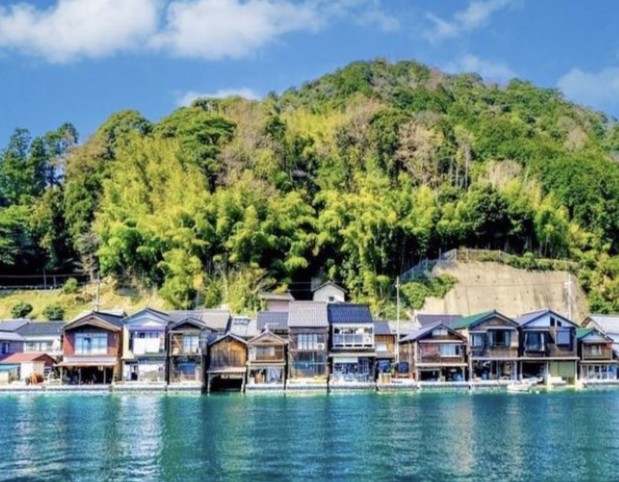
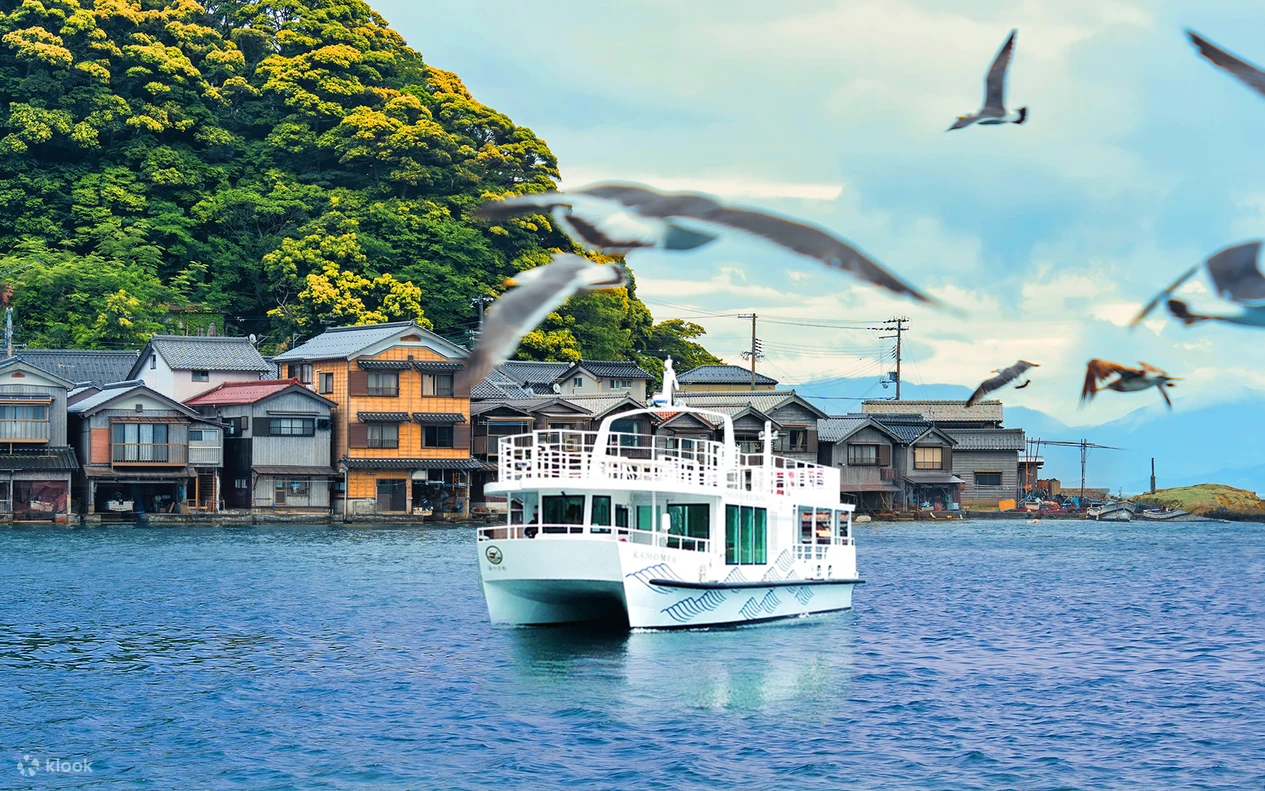
Deep in the northern coast of Kyoto Prefecture lies a hidden gem that looks like it’s floating on water. Ine Funaya (Ine Boathouses) is a cluster of approximately 230 traditional wooden buildings lining the serene Ine Bay.
Whether you’re a photographer, a history buff, or a traveler seeking a peaceful escape, Ine offers a nostalgic glimpse into Japan’s coastal heritage that you won’t find in the busy streets of Gion.
What Makes Ine Funaya So Special?
The word Funaya literally means “boat house.” These unique structures serve a dual purpose:
- The 1st Floor: A private garage for fishing boats and a workspace for drying nets.
- The 2nd Floor: The living quarters for the residents.
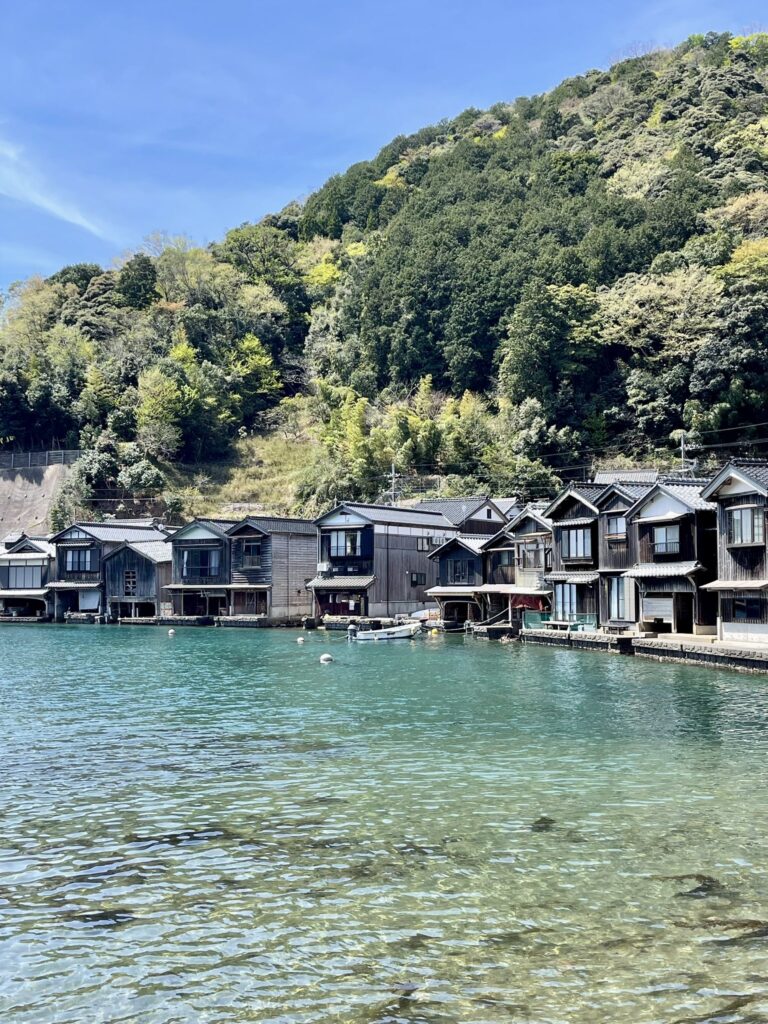
Seen from the water, these houses appear to rise directly out of the sea. This seamless integration with the ocean has earned Ine a designation as one of Japan’s Important Preservation Districts for Groups of Historic Buildings.
When is the Best Time to Visit?
Ine changes its “expression” with every season, making it a year-round destination:
- Spring (March–May): Mild weather and cherry blossoms at nearby temples like Kaizo-ji.
- Summer (June–August): The emerald green water is at its most vibrant. Perfect for the sightseeing boat cruise.
- Autumn (September–November): Crisp air and stunning sunsets. It’s also the start of the season for delicious local seafood like “Ine Bluefin Tuna.”
- Winter (December–February): A rare, ethereal sight when the boathouses are covered in white snow. A quiet, magical experience for those who don’t mind the cold.
Essential Etiquette: Respecting the Locals
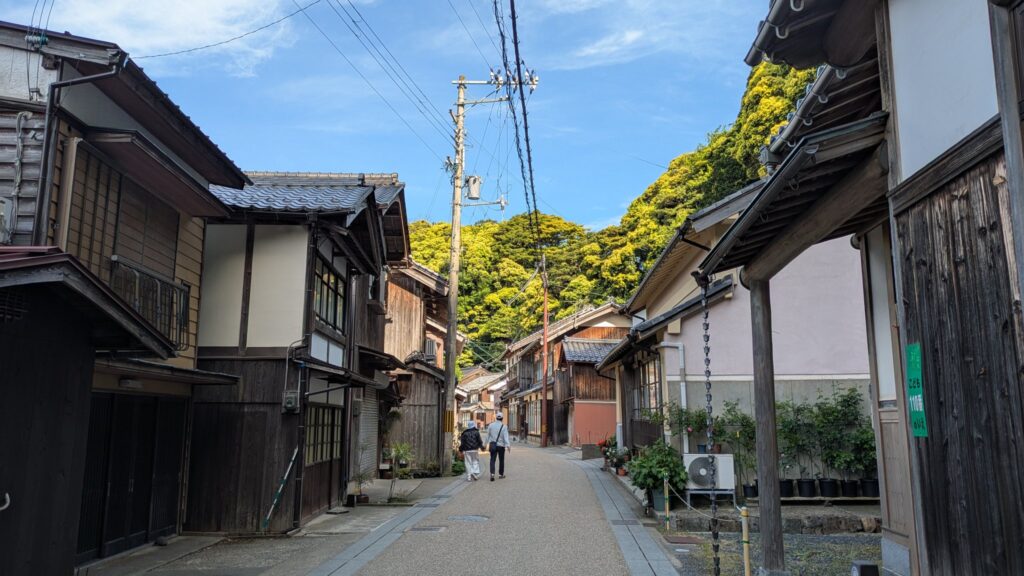
Unlike a museum, Ine is a living village. Most Funaya are private homes where families have lived for generations. To ensure a sustainable visit, please follow these rules:
- Do Not Enter Private Property: Unless a building is marked as a cafe, shop, or hotel, please do not step inside or peek through windows.
- No Drones Without Permission: To protect the privacy of the residents.
- Take Your Trash Home: There are very few public trash cans to preserve the landscape.
How to Get to Ine (And Why a Tour Might Be Better)
Ine is undeniably beautiful, but it is also remote.
By Public Transport: From Kyoto or Osaka, you must take a limited express train to Amanohashidate Station (approx. 2 hours). From there, you need to catch a local bus for another 60 minutes.
Warning: Buses are infrequent. Missing one could significantly disrupt your schedule.
🚌 Save Time and Stress: Join a Guided Bus Tour
If you want to maximize your day without worrying about train schedules and bus transfers, we highly recommend a day trip bus tour. Most tours combine Ine with Amanohashidate (one of Japan’s top three views).
- Benefits: Round-trip transport from Osaka/Kyoto, included seafood lunch, and an English-speaking guide.
[➡ Check Day Tour Prices and Availability]
Experience the Magic: Stay Overnight
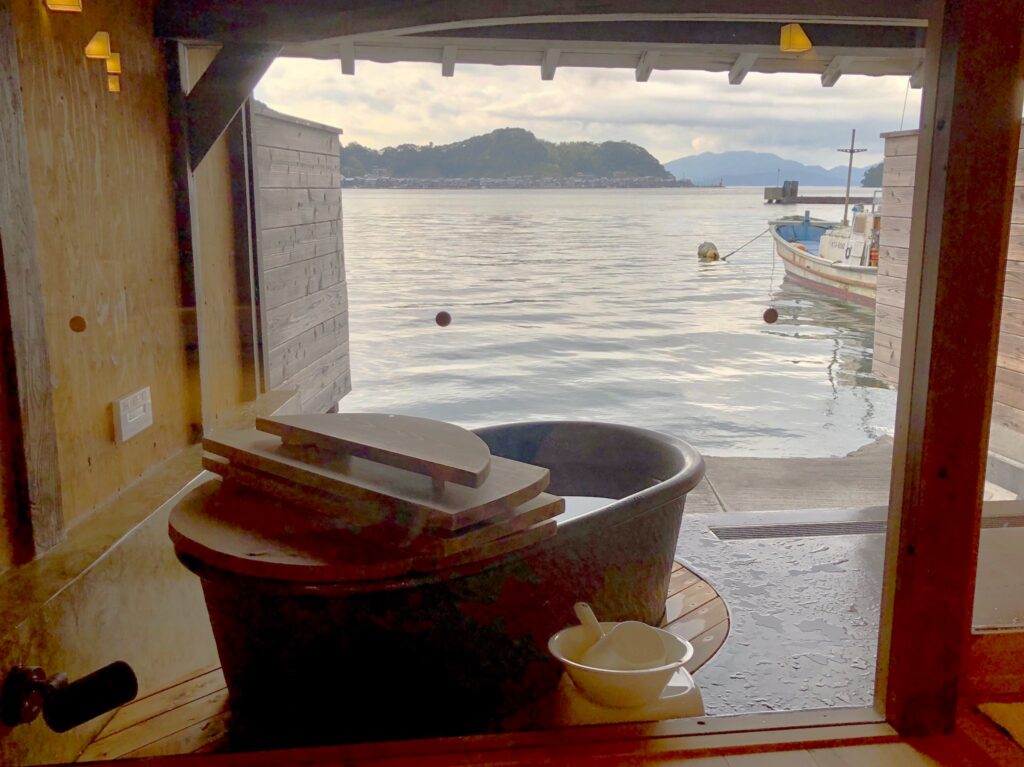
To truly feel the soul of Ine, you should stay after the day-trippers have left. Watching the sunrise over the bay from your 2nd-floor window is an unforgettable experience. Many Funaya have been renovated into luxury boutique hotels that offer traditional architecture with modern comfort.
[➡ Browse Ine Funaya Hotels & Traditional Guesthouses]
Aichi Alcoholic beverage Anime Anime pilgrimage April Architecture August Autumn Building Capital Area Cherry blossom Convenience store February Flower History January Japanese food kanto Kinki Kyoto March May Nagoya Nature Nightlife Night view Osaka Photogenic Pink Sakura Shopping Shrine Souvenir Spring Station Summer Superb view Temple Tips Tokai Tokyo Traffic train White Winter

More from my site
 5 Best Alternatives to Kyoto Without the Crowds
 Hikone Castle: Japan’s Authentic Feudal Stronghold Near Kyoto, Osaka & Nagoya
 The Ultimate June Day Trip to Uji: Hydrangeas at Mimuroto-ji
 The Ultimate Guide to Emerald Sea at Tsunoshima Ohashi (角島大橋) in Yamaguchi, Japan
 Nigatsu-do at Todai-ji: Nara’s Hidden Sunset Spot and 1,250-Year History
 Garyu Sanso: Ehime’s Hidden Riverside Retreat You Need to Visit