
As the snow melts and Japan’s hiking season begins, the mountains become alive with more than just blossoms. Spring (April to June) is a critical time when Japan’s bear population emerges from hibernation. After months of fasting, these animals are hungry, active, and can be more aggressive than usual.
Whether you are heading to the peaks of Hokkaido or the trails of the Japanese Alps, here is what you need to know to stay safe.
1. Why Spring is a High-Risk Season
Bears in Japan typically wake up in late March or April. During this “post-hibernation” period, two factors increase the risk of encounters:
- Extreme Hunger: Bears are desperately searching for food (like young bamboo shoots and greenery) to regain weight. This often brings them closer to hiking trails and even human settlements.
- Protective Mothers: Female bears emerge with new cubs. A mother bear is extremely defensive; if you accidentally get between her and her cubs, she may attack to protect them.

2. Current Situation & Hotspots (2025-2026)
Recent years have seen a record-high number of bear sightings and incidents in Japan. Due to poor nut harvests in previous autumns, bears have become less fearful of urban areas.
| Region | Bear Type | Notable High-Risk Areas |
| Hokkaido | Ussuri Brown Bear (Large & powerful) | Shiretoko, Daisetsuzan National Park, Sapporo outskirts |
| Tohoku | Asiatic Black Bear (Aggressive if startled) | Akita, Iwate, and Aomori prefectures |
| Chubu/Kanto | Asiatic Black Bear | Kamikochi (Nagano), Nikko (Tochigi), Chichibu (Saitama) |
Note: In 2025 alone, over 230 people were injured in bear-related incidents across Japan. The Japanese government has recently designated bears as a “specified managed wildlife species” to increase safety measures.
3. Essential Safety Tips for Hikers
Before You Go: Check the “Kuma Maps”
Japan uses “Bear Sighting Maps” (often called Kuma-mappu).
- Check the KumaMap (English available) or local government websites for real-time sighting data.
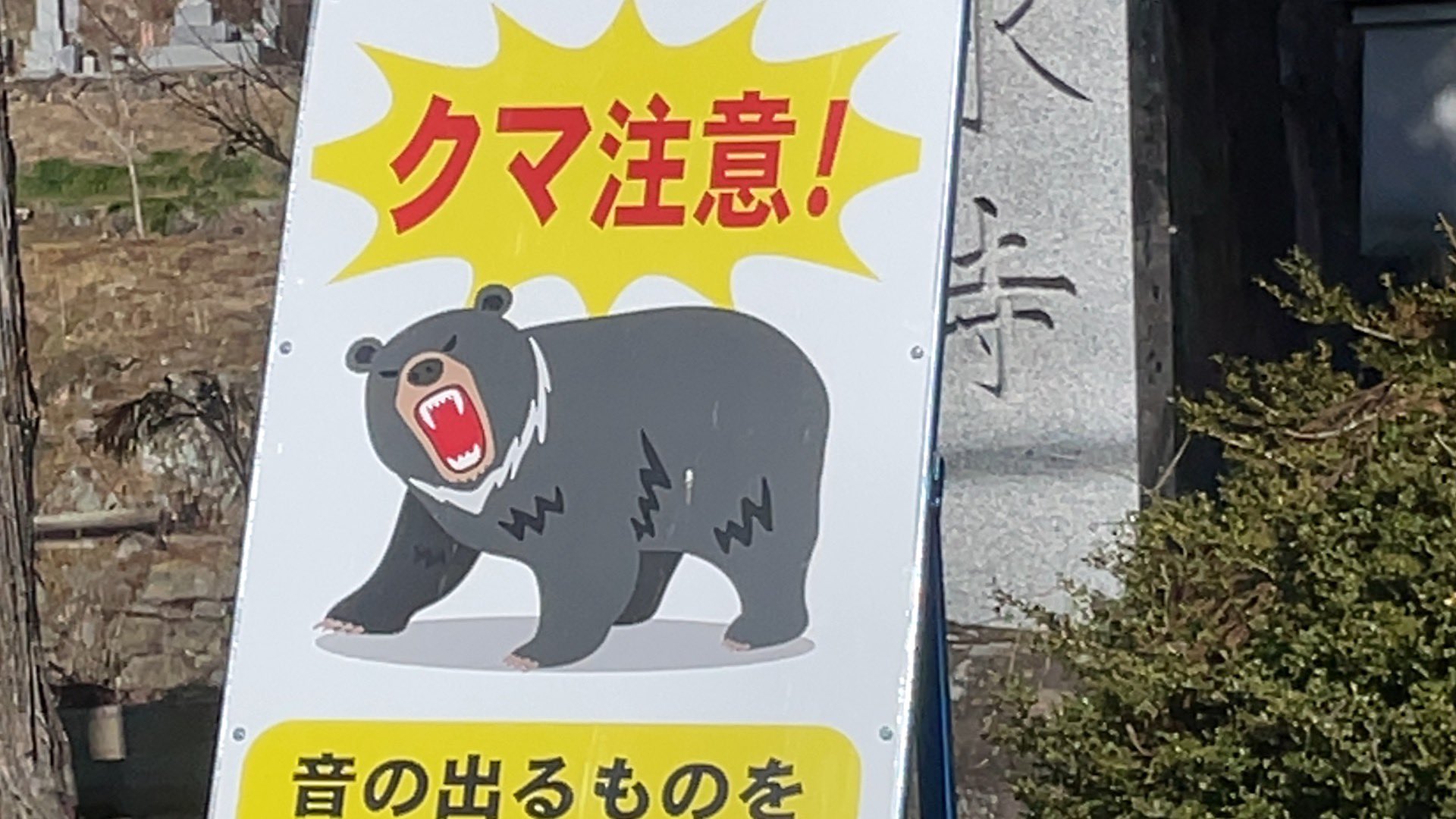
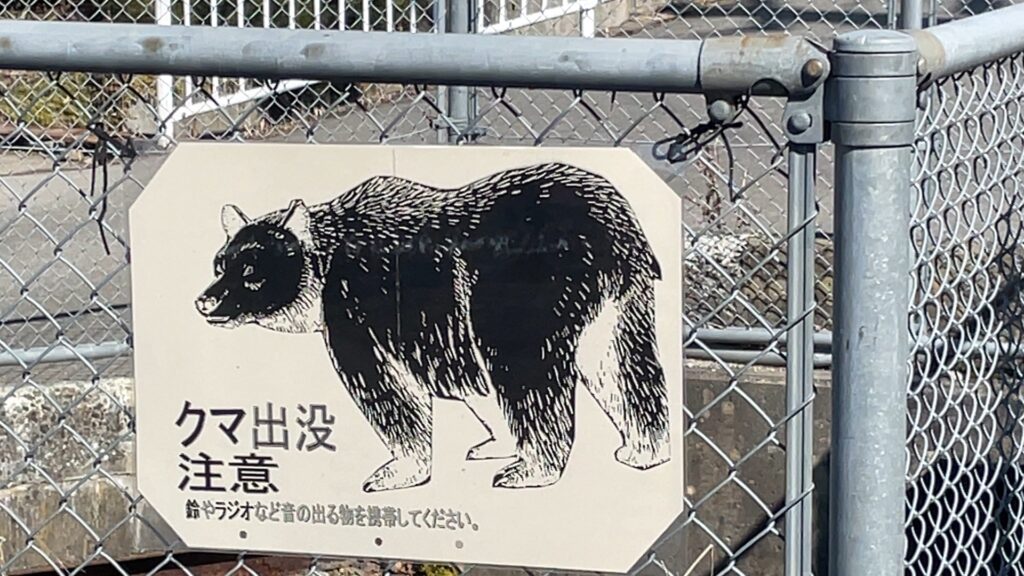
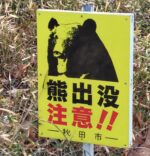
- Look for yellow/red warning signs at trailheads. If you see a “Bear Warning” (熊出没注意), take it seriously.
On the Trail: Make Your Presence Known
- Wear a Bear Bell: The constant ringing alerts bears to your presence so they can avoid you.
- Talk or Clap: If you are in dense brush or near a noisy stream, speak loudly or clap to ensure you aren’t a “surprise.”
- Avoid Dawn and Dusk: Bears are most active during these twilight hours.
What to Do if You Encounter a Bear
- Stay Calm: Do not scream or run. Bears have an instinct to chase fleeing prey.
- Back Away Slowly: Keep your eyes on the bear (but avoid direct, aggressive eye contact) and slowly retreat backwards.
- Use Bear Spray: If you have it, ensure it is accessible (not buried in your pack) and know how to use it.
- Protect Your Neck: If a bear charges and contact is unavoidable, lie flat on your stomach, lace your fingers behind your neck, and stay still.
Enjoy Nature Responsibly
Japan’s mountains are beautiful, but they are the bears’ home. By staying informed and prepared, you can enjoy your adventure while respecting the local wildlife.
Stay safe, stay loud, and enjoy the Japanese spring!
More from my site
 Is it Safe to Hike in Japan? What You Need to Know About the Recent Bear Surge
 A Rare Sight in Japan: Meet the Japanese Serow
 Bear Warning in Japan 2025: How to Stay Safe While Hiking and Traveling
 Can You See Wild Tanuki in Japan?
 Exploring Akiyoshido Cave: A Hidden Underground World in Yamaguchi, Japan
 Is the Poké Ball Hotel Real? Location, How to Stay, & Campaign Rules Explained