A Unique Japanese Festival to Welcome Good Luck
When traveling in Japan during winter, you may hear people shouting “Oni wa soto! Fuku wa uchi!” and see soybeans being thrown around.
This lively tradition is called Setsubun, a seasonal event deeply rooted in Japanese culture.
When Is Setsubun?
Setsubun is usually celebrated on February 3rd (occasionally February 2nd, depending on the year).
Traditionally, Setsubun marks the day before the beginning of spring according to the old Japanese calendar.
Spring is considered the start of a new year in traditional belief, so Setsubun is a time to reset, cleanse bad luck, and invite good fortune.
What Kind of Day Is Setsubun?
Setsubun is not a national holiday, but it is widely celebrated at:
- Homes
- Shrines and temples
- Schools and kindergartens
- Shopping malls and event venues
Families, celebrities, and even sumo wrestlers often participate in public bean-throwing ceremonies.
Why Do People Throw Beans?
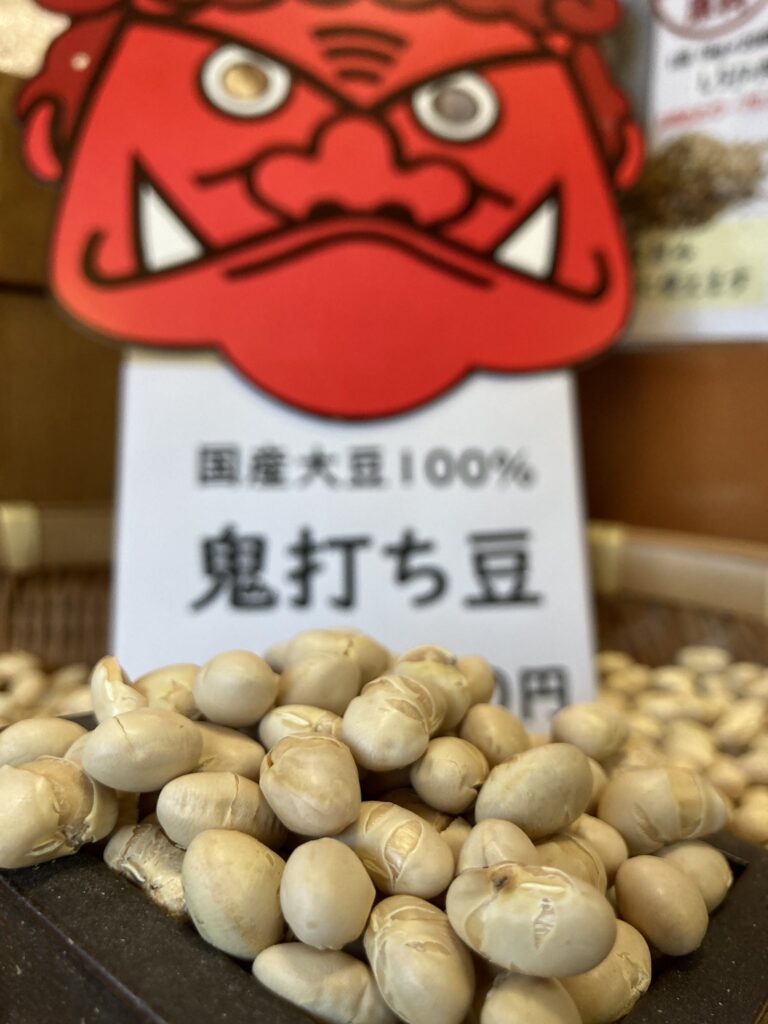
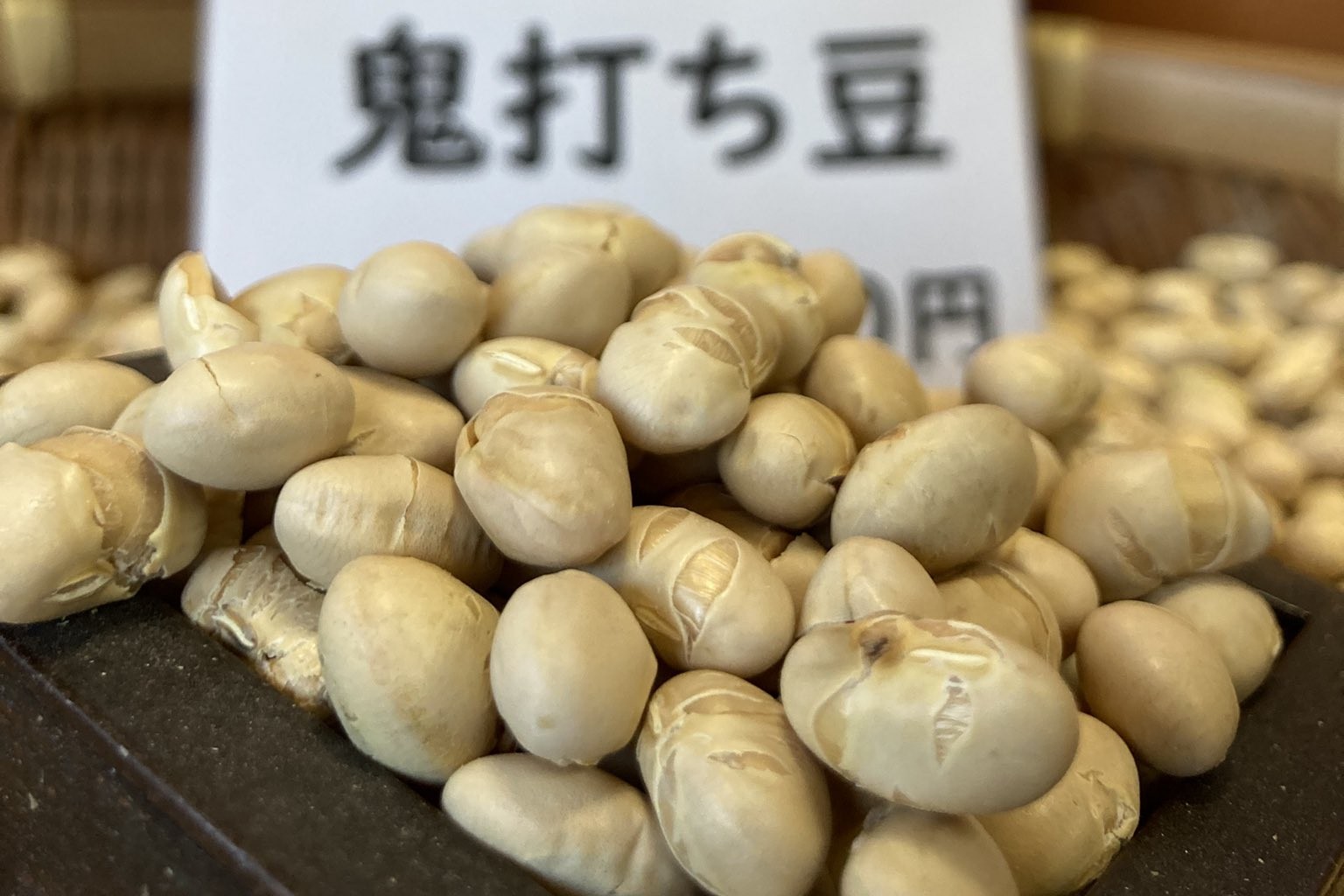
The main ritual of Setsubun is Mamemaki (bean throwing).
People throw roasted soybeans while chanting:
“Oni wa soto! Fuku wa uchi!”
“Demons out! Good fortune in!”
Why beans?
In Japanese, the word for bean (mame) sounds similar to words meaning “to destroy evil”.
Beans are believed to have spiritual power to drive away bad luck and misfortune.
Why Demons (Oni) and Good Fortune (Fuku)?
In Japanese folklore:
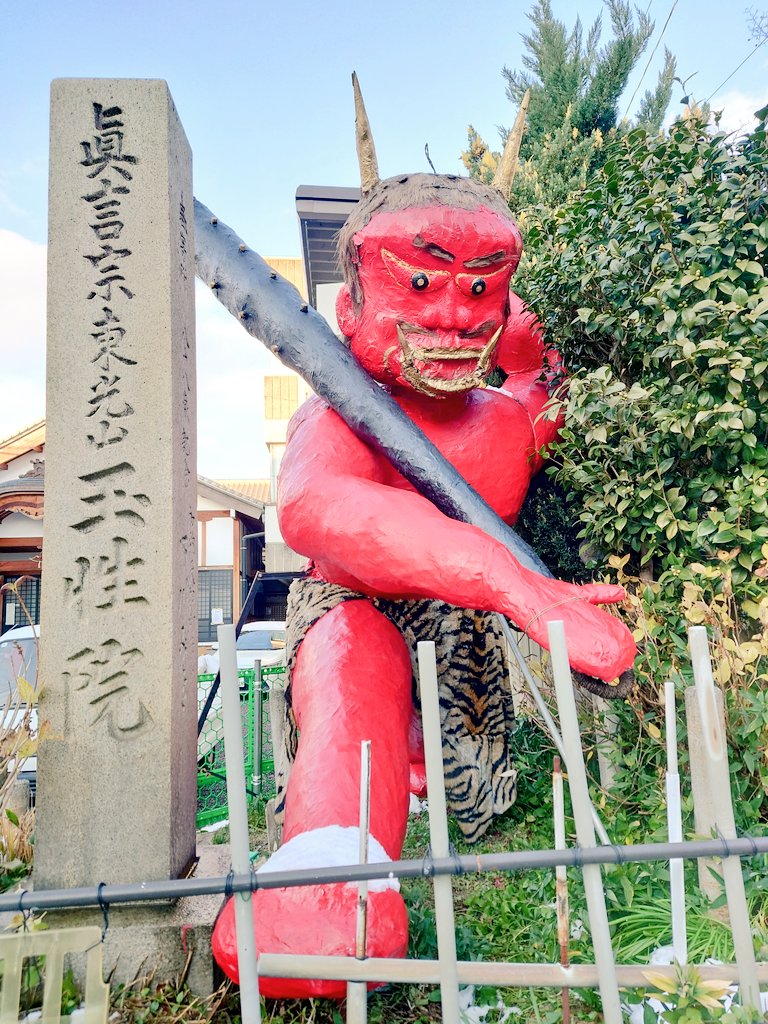
- Oni (demons) symbolize illness, disasters, and bad luck
- Fuku (good fortune) represents happiness, health, and prosperity
By chasing away the Oni, people symbolically cleanse their homes and minds for the coming year.
You might see someone wearing a demon mask while others throw beans at them—this is all part of the fun!
What Is Ehomaki?
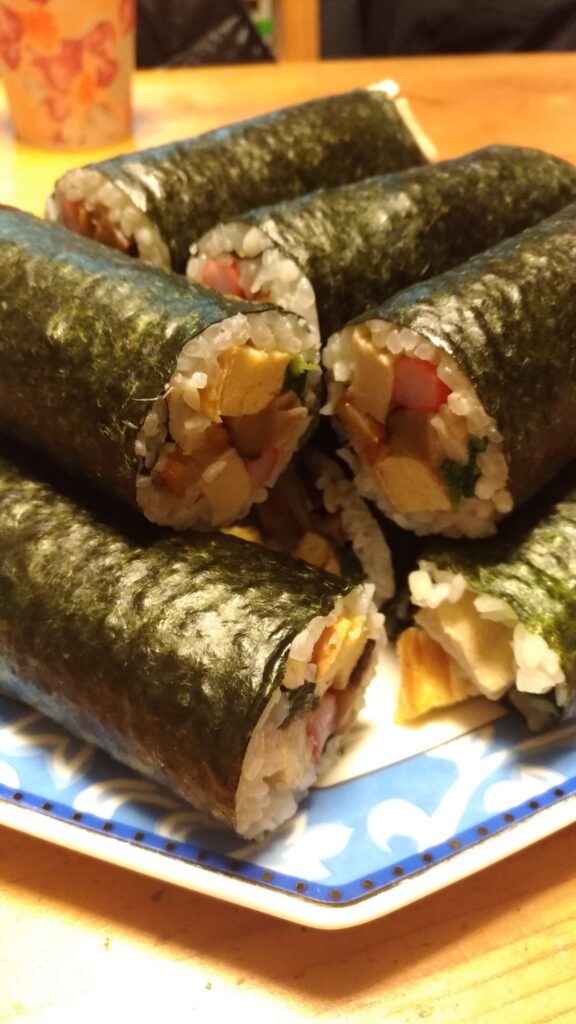
Ehomaki is a special sushi roll eaten during Setsubun.
How is it different from normal sushi?
- Thick sushi roll filled with several ingredients
- Eaten without cutting
- Eaten silently
Why silently?
Staying silent is believed to prevent good luck from escaping.
What direction do you face?
You eat Ehomaki while facing the year’s lucky direction, called Eho, which changes every year.
Today, convenience stores and supermarkets across Japan sell Ehomaki in many styles, from traditional to modern versions.
Can Tourists Experience Setsubun?
Absolutely!
Many famous shrines and temples host Setsubun events open to visitors, featuring:
- Large-scale bean throwing
- Traditional costumes
- Lucky prizes
Even if you’re just walking around town, Setsubun is a fun chance to experience Japan’s playful and spiritual side.
Final Thoughts
Setsubun is more than just throwing beans—it’s a tradition that reflects the Japanese wish for health, happiness, and a fresh start.
If you visit Japan in early February, don’t miss this unique cultural experience.
You might even catch some good luck along the way!
Aichi Airport Alcoholic beverage Anime Anime pilgrimage April Architecture August Autumn Building Capital Area Cherry blossom Convenience store February Flower January Japanese food kanto Kinki Kyoto March May Nagoya Nature Nightlife Night view Osaka Photogenic Pink Sakura Shopping Shrine Souvenir Spring Station Summer Superb view Temple Tips Tokai Tokyo Traffic train White Winter

More from my site
 Sapporo Snow Festival: History, Attractions, How to Enjoy, and Access Information!
 Discover Miyagi’s Hidden Winter Wonderland: Aone Onsen Snow Light Festival
 Nagasaki Lantern Festival, one of Nagasaki’s biggest winter festivals
 Why Does the Sky Look Yellow in Japan?
 Starbucks Japan SAKURA 2026: Limited-Edition Goods & Drinks to Celebrate Spring
 Tokyo Plum Blossoms Guide: Yushima Tenjin in Early Spring