
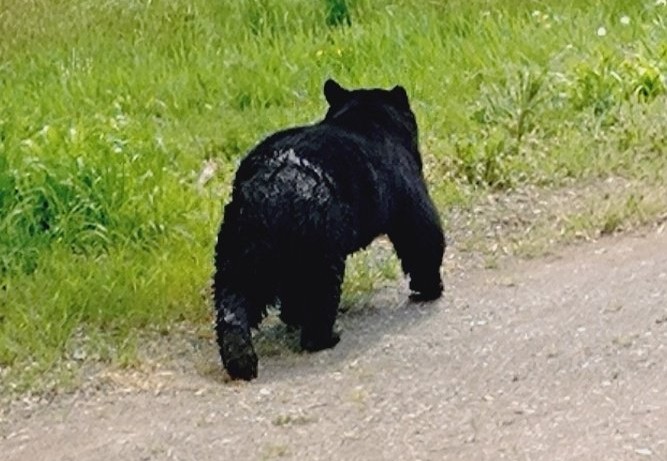
Japan is world-famous for its stunning hiking trails and serene nature. However, since 2025, Japan has seen a record-breaking increase in bear encounters and attacks. To ensure your trip remains a happy memory, it is essential to understand the current situation and how to protect yourself.
🚨 The Current Situation (2025–2026)
In the fiscal year of 2025, Japan recorded its worst-ever year for bear-related incidents:
- Historic Highs: Over 230 people were injured or killed—the highest since records began.
- Fatalities: 13 deaths were confirmed in a single year.
- Urban Sightings: Due to food shortages in the mountains (like acorns and beech nuts), bears are increasingly entering residential areas, parks, and even train stations.
📍 High-Risk Areas
While bears live in many parts of Japan, these regions are currently hotspots:
- Tohoku Region (Northern Honshu): Prefectures like Akita, Iwate, and Fukushima have seen the most incidents.
- Hokkaido: Home to the Ussuri Brown Bear (larger and more aggressive than the Black Bears on the mainland). Areas like Shiretoko and Daisetsuzan are high-density zones.
- Chubu/Nagano: Popular hiking spots in the Japanese Alps are also seeing frequent sightings.
🎒 How to Stay Safe While Hiking
Prevention is your best defense. Bears generally want to avoid humans as much as you want to avoid them.
- Make Noise: Carry a “Bear Bell” (Kuma-suzu). The constant ringing alerts bears to your presence so they can move away. You can buy these at outdoor stores like Montbell or even at local convenience stores near trailheads.
- Keep it Clean: Never leave food or trash behind. Bears have an incredible sense of smell; even an empty snack wrapper can attract them.
- Avoid Dawn and Dusk: Bears are most active during early morning and late evening. Try to hike during broad daylight.
- Travel in Groups: Statistics show that bears are much less likely to approach a group of three or more people.
🐻 What to Do If You Encounter a Bear
If you see a bear, DO NOT PANIC. Your reaction is the difference between a sighting and an attack.
1. If the bear is far away:
- Do not approach for a photo.
- Quietly and slowly back away while keeping your eyes on the bear.
2. If the bear is close:
- Do Not Run: Bears are faster than Olympic sprinters (up to 50 km/h). Running triggers their instinct to chase.
- Stay Calm & Speak Low: Talk in a calm, low voice to let the bear know you are human.
- Back Away Slowly: Keep facing the bear and move backward slowly. Don’t turn your back on it.
- Use Bear Spray: If you have it, aim for the face when the bear is within 5–10 meters.
3. If it attacks (The Last Resort):
- Protect Your Head and Neck: Lie flat on your stomach or curl into a ball. Interlock your fingers behind your neck to protect your vital arteries.
🔗 Useful Resources
- KumaMap: A real-time website showing recent bear sightings across Japan.
- Local Signage: Look for signs that say 「熊出没注意」 (Caution: Bears Present) at trail entrances. If you see recent dates written on these signs, consider changing your route.
Enjoy the beautiful nature of Japan, but stay alert and prepared. Safety first!
More from my site
 Clear Water, Hidden Risks: Staying Safe at Rivers in Japan
 Japan Bear Safety Guide 2026: Staying Safe After Hibernation
 Yamadera (Risshaku-ji Temple): A Complete Guide to Yamagata’s Mountain Temple
 Torii in the Sky at Kuratake Shrine: Amakusa’s Hidden Viewpoint
 A Rare Sight in Japan: Meet the Japanese Serow
 Why Hokkaido Is Japan’s Ultimate Winter Destination