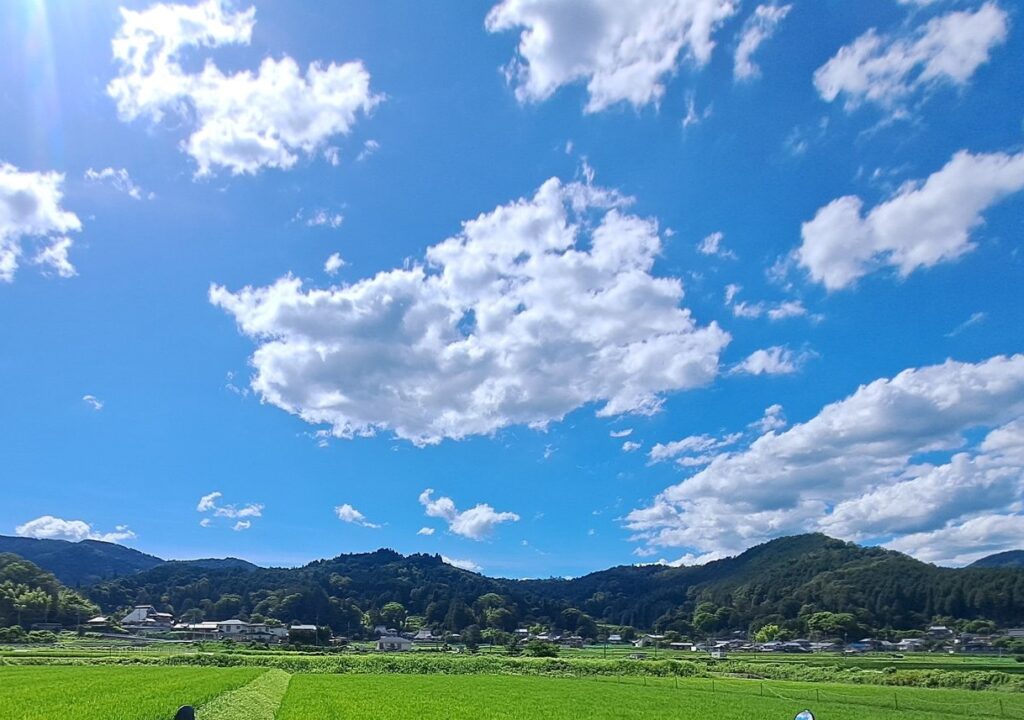
Welcome to Japan! While summer is a season of vibrant festivals and beautiful fireworks, it also brings a level of heat that catches many travelers off guard. If you think you’re prepared because you’ve experienced hot summers elsewhere, think again. Japan’s summer isn’t just about the sun—it’s about the science of humidity.
The Science of the “Sauna” Effect
In many countries, 35°C (95°F) feels like a dry heat. In Japan, the temperature often hits 32°C to 38°C, but the humidity stays consistently between 70% and 80%.
Why is this dangerous? When humidity is high, your sweat cannot evaporate into the air. Evaporation is your body’s natural cooling mechanism; without it, your core temperature rises rapidly. Walking through Tokyo or Kyoto in August feels less like a stroll and more like navigating a giant, open-air sauna.
“Netchusho”: The Word You Need to Know
The Japanese term for heatstroke is Netchusho (熱中症). Local news and weather apps provide daily “Heatstroke Alerts.” It is a serious medical condition that can lead to dizziness, nausea, and collapse. Because of the humidity, you might not realize how much you are sweating, leading to rapid dehydration.
The “Pocari Sweat” Phenomenon
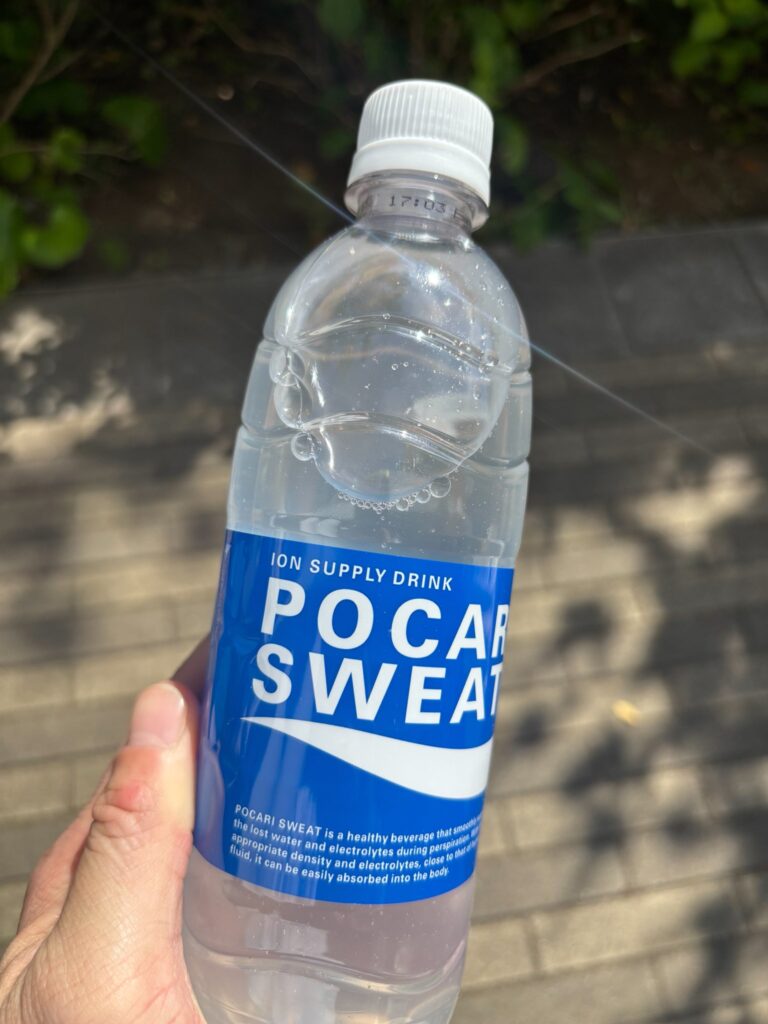
One of the first things you’ll notice in Japanese vending machines is a blue-and-white bottle labeled Pocari Sweat. Don’t let the name deter you!
- What it is: A mild-tasting, non-carbonated “ion supply drink.”
- Why it works: It is designed to mimic the natural fluid balance in the human body. It replenishes water and essential electrolytes (sodium, potassium, magnesium) much more efficiently than plain water.
- When to drink: It’s the “gold standard” for preventing Netchusho. If you feel a headache or slight fatigue, grab a cold Pocari immediately.
Essential Survival Gear
To navigate the heat like a local, look for these items at any convenience store (konbini) or drugstore:
Salt Tablets (Enbun Tablets): These are chewable candies that taste like lemon or soda but are packed with salt and minerals. Popping one every few hours helps replace the salt lost through heavy sweating..
Handheld Fans (Handy Fans): These USB-rechargeable mini fans are everywhere. They provide a much-needed breeze when waiting for trains or walking between shrines.
Parasol Culture (Higasa): In Japan, umbrellas aren’t just for rain. Using a UV-cut parasol is common for everyone. It creates personal portable shade, reducing your perceived temperature by several degrees.
Quick Comparison Table: Typical August Weather
| Feature | Average Condition | Impact on Travelers |
| Temperature | 31°C – 35°C | High, but manageable on its own. |
| Humidity | 75% – 80% | Critical. Prevents sweat from cooling you down. |
| RealFeel | 38°C – 42°C | Feels much hotter than the actual thermometer reading. |
Aichi Airport Alcoholic beverage Anime Anime pilgrimage April Architecture August Autumn Building Capital Area Cherry blossom Convenience store February Flower January Japanese food kanto Kinki Kyoto March May Nagoya Nature Nightlife Night view Osaka Photogenic Pink Sakura Shopping Shrine Souvenir Spring Station Summer Superb view Temple Tips Tokai Tokyo Traffic train White Winter

More from my site
 Master Your Japanese Hotel Air Conditioner: A Full Guide
 Japan Weather in August: What to Wear and Packing Guide
 How to Survive Mosquito Season in Japan: Prevention & Remedies
 Japan’s Summer Heat Explained: Humidity Data & Survival Tips
 Summer Romance in Japan: The Ultimate Guide to Beach Dating & Flirting Etiquette
 Japan Weather in July: What to Wear and Packing Guide