
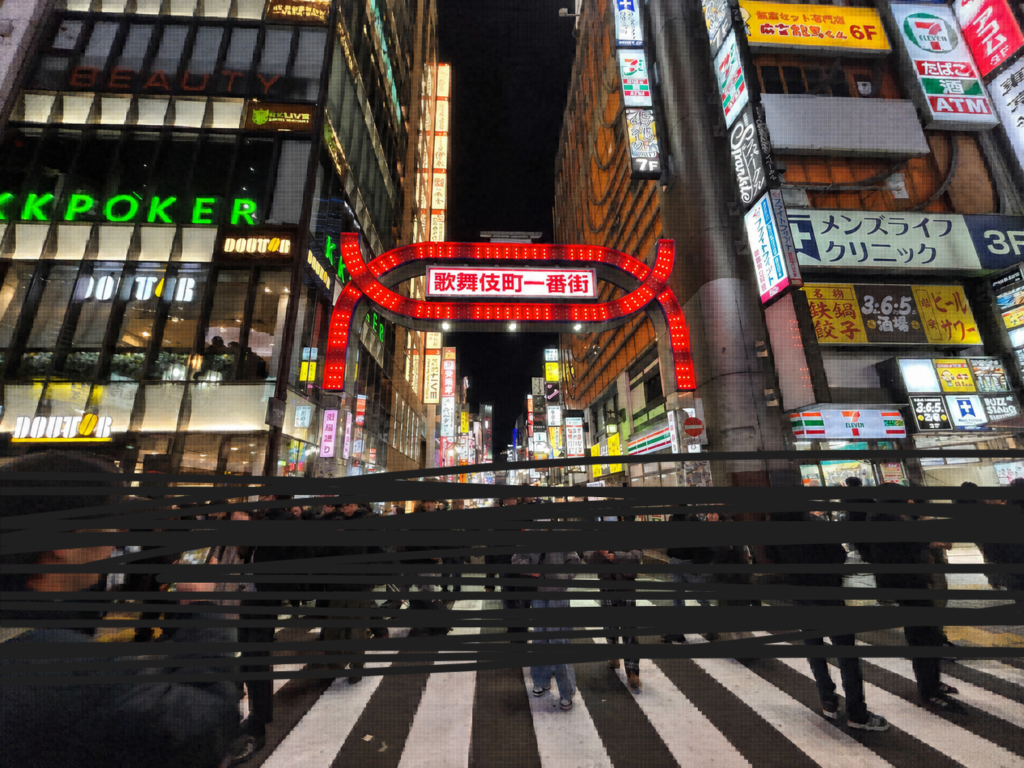
Japan is widely celebrated for its safety, cleanliness, and exceptional hospitality. However, when it comes to sexual health, the reality mirrors that of any other major global destination. If you are planning on navigating the local dating scene, using matching apps, or exploring Japan’s unique nightlife, understanding the current landscape of Sexually Transmitted Infections (STIs) is essential for your well-being.
This guide provides an objective look at the current trends, risks, and practical steps to protect yourself while traveling.
1. The Current State of STIs in Japan: The Syphilis Surge
While the general perception of Japan is one of high hygiene standards, the country is currently facing a well-documented public health challenge regarding syphilis (梅毒, Baidoku).
Since roughly 2013, Japan has experienced a steep, unprecedented rise in syphilis cases. According to data from the National Institute of Infectious Diseases (NIID), annual reported cases have consistently exceeded 10,000 in recent years. This surge is particularly concentrated among men and women in their 20s and 30s within major metropolitan areas like Tokyo, Osaka, and Nagoya.
In contrast, HIV transmission rates in Japan remain relatively low and stable compared to many Western nations and other parts of Asia. However, standard STIs such as chlamydia and gonorrhea remain highly prevalent among sexually active demographics.
Key Takeaway: Do not let Japan’s low crime rates or clean streets give you a false sense of security regarding sexual health. The biological risks here are identical to those in any major global hub.
2. Dating Apps (Tinder, Bumble, etc.) and Local Transmission
The rapid rise of syphilis in Japan heavily correlates with the mainstream adoption of dating apps.
Platforms like Tinder, Bumble, and local Japanese equivalents have fundamentally changed how people meet. Public health experts note that these apps facilitate casual, brief encounters across vast geographic areas, making contact tracing difficult and accelerating the spread of infections.
A significant portion of individuals carrying STIs—particularly chlamydia and early-stage syphilis—are entirely asymptomatic. If you use dating apps to meet locals or fellow travelers in Japan, you must assume that a partner’s outward appearance or lack of symptoms is not a guarantee of safety.
3. Japan’s Nightlife Industry (Fuzoku): Realities and Restrictions
Japan’s commercial adult entertainment industry (known as Fuzoku) is strictly regulated but comes with distinct boundaries that foreign tourists must understand.
- The “No Foreigners” Policy: Due to language barriers, cultural misunderstandings, and strict adherence to local regulations, the vast majority of legal, established adult entertainment venues in Japan do not accept non-residents or tourists.
- Legal Boundaries and Condom Use: Under Japanese law, actual intercourse (penetration) is strictly prohibited in legal establishments. Services are non-penetrative, and the use of condoms (including finger condoms or dental dams) is heavily enforced by shop management for the safety of both workers and clients. Regular medical screening of workers keeps infection rates within legal venues relatively controlled.
- The High-Risk Underground: Conversely, street solicitation (such as in specific areas of Shinjuku or Osaka) or illegal, underground services targeting foreigners carry extreme risks. These illicit operations completely bypass medical checkups and safety protocols, resulting in an exceptionally high probability of exposure to STIs.
4. Debunking the Myth: Are Tourists Blamed for the Rise?
Whenever STIs rise in a major tourist destination, public discourse sometimes shifts toward blaming international travelers or shifting demographics.
However, medical and statistical data thoroughly debunk this. Public health reports confirm that the domestic explosion of syphilis is overwhelmingly driven by local transmission among residents within Japan.
That being said, international travel inherently increases “traveler risk behavior”—the psychological tendency for individuals to engage in riskier behavior when away from home. Travelers should focus on personal responsibility rather than assuming the risk comes from one specific group.
5. Practical Guide: Prevention and Seeking Medical Care in Japan
Safe Sex Supplies
High-quality condoms are readily available throughout Japan. You do not need a prescription or an ID to buy them.
- Where to buy: Any convenience store (7-Eleven, Lawson, FamilyMart) or drugstore (Matsumoto Kiyoshi, Welcia).
- What to look for: Japanese brands like Okamoto and Sagami are world-renowned for their ultra-thin polyurethane condoms (such as 0.01mm or 0.02mm). Be aware that Japanese sizing can occasionally run slightly smaller than Western standards; look for “Mega Big” or XL sizes if needed.
Accessing English-Speaking Clinics
If you experience symptoms (such as unusual discharge, sores, or burning) or have had unprotected sex, you can seek testing and treatment as a tourist.
In Tokyo and Osaka, specialized sexual health clinics offer English support, rapid testing (often with results within 20–30 minutes), and immediate antibiotic prescriptions. Notable options include:
- Aozora Clinic (Tokyo – Shinjuku/Shinbashi): Highly accustomed to treating international patients with full English support and anonymous testing options.
- Personalized / Private Clinics: Many modern clinics do not require Japanese National Health Insurance; you can pay out-of-pocket via credit card. Be sure to bring your passport.
Emergency Contraception (The Morning-After Pill)
In Japan, the emergency contraceptive pill requires a prescription. While a pilot program allows select pharmacies to sell it over the counter, the most reliable method for a tourist is to visit a women’s clinic or use an English-speaking online telemedicine service in Japan to get a prescription forwarded to a local pharmacy.
Summary Checklist for Travelers
Know your resources: Keep the name of an English-speaking clinic in your notes just in case.
Always use protection: Use condoms for all sexual acts, including oral sex.
Do not rely on assumptions: A clean apartment or a polite demeanor has no bearing on an individual’s STI status.
Stick to legitimate spaces: Avoid illegal, underground nightlife solicitations completely.
More from my site
 The Ultimate Tobita Shinchi Guide: Rules, Rates, and Safety
 Osaka Halloween 2026: The Ultimate Guide to Japan’s Best Party Spots After Shibuya’s Ban
 Shibuya Halloween 2026: Rules, Drinking Bans, Fines & What Travelers Need to Know
 “So, It’s Flyday Flyday Chinatown…” Step Into City Pop World in Yokohama
 Kyakuhiki in Japan: How to Avoid Street Touts & Bar Scams
 Inside Japan’s Viral Muscle Bars: Prices, Locations & Safety Tip