Introduction: Is June a Bad Time to Visit Japan?
Many travelers avoid Japan in June because of “Tsuyu” — the rainy season. You might be wondering: “Will it rain non-stop for my entire trip?” The short answer is: No. While it is the wettest time of the year for most of Japan, it’s far from a daily monsoon. In fact, with the right preparation, the rainy season offers smaller crowds, lush green landscapes, and unique seasonal experiences that you can’t find any other time.
1. When is the Rainy Season? (The Regional Breakdown)
Tsuyu typically moves from south to north. Here are the average dates for 2026:
| Region | Typical Start | Typical End |
| Okinawa | Early May | Late June |
| Kyoto / Osaka | Early June | Mid-July |
| Tokyo | Early June | Mid-July |
| Tohoku | Mid-June | Late July |
| Hokkaido | No official rainy season | – |
Note: If you want to avoid the rain entirely, Hokkaido is your best bet, as it remains relatively dry and pleasant during this period.
2. Is it Like a Southeast Asian Squall?
If you’ve traveled to Thailand or Vietnam, you might expect heavy, 30-minute afternoon downpours that clear up quickly. Japan’s rainy season is different.
- Steady and Gray: Instead of short bursts, Japan often experiences a light but persistent drizzle or “Samazama” (steady rain) that can last for several hours or the whole day.
- High Humidity: Unlike the crisp rain of autumn, Tsuyu rain is accompanied by rising temperatures and high humidity (often over 75%).
- The “Vibe”: The sky is often overcast and gray for days, but the rain itself is frequently gentle enough to walk through with just a light umbrella.
3. Essential Gear: What to Pack & Buy
You don’t need to pack your entire rain-gear collection. Japan is one of the most “prepared” countries for rain in the world.
- The Iconic Clear Umbrella: Don’t bring a bulky umbrella from home. Head to any Konbini (convenience store) and buy a 700-yen clear plastic umbrella. They are sturdy, stylish in a “local” way, and let you see the neon lights through the canopy.
- Breathable Footwear: Avoid heavy leather boots. Wear waterproof sneakers or quick-drying sandals. Pro tip: Carry an extra pair of socks in your day bag. Nothing ruins a temple visit like cold, wet feet!
- Light Layers: Since it’s humid, a heavy raincoat will make you sweat. Opt for a water-resistant windbreaker or a breathable poncho.
- Hand Towels: Most Japanese locals carry a small “Tenugui” or hand towel to wipe down their bags or clothes after entering a building.
4. Why You Might Actually Love the Rain
Don’t let the forecast dampen your spirits! Some of Japan’s best sights are at their peak in June:
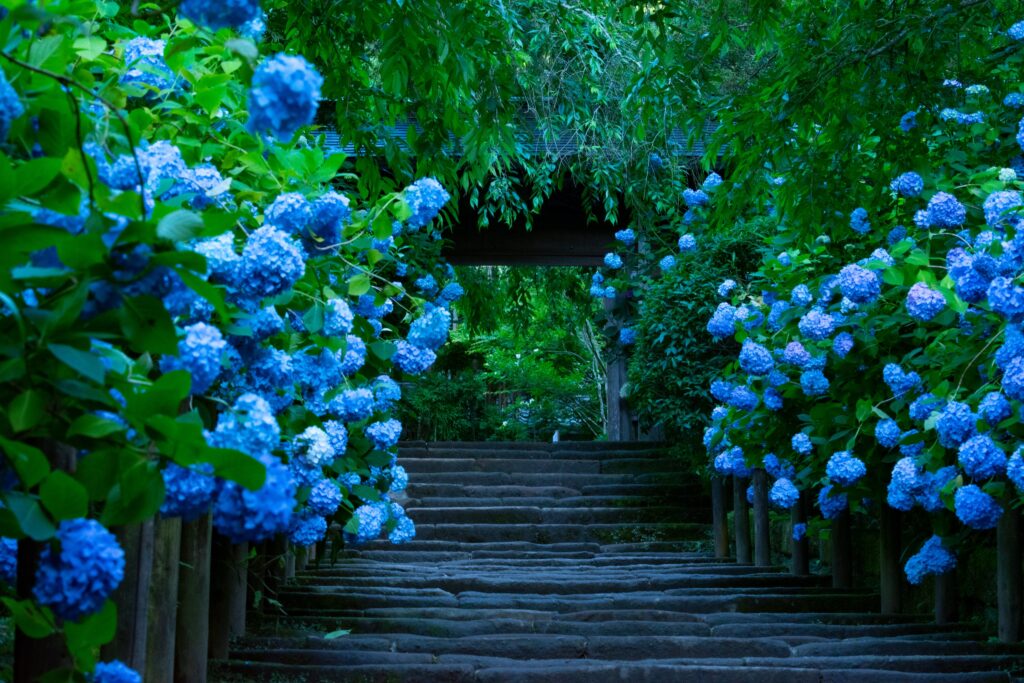
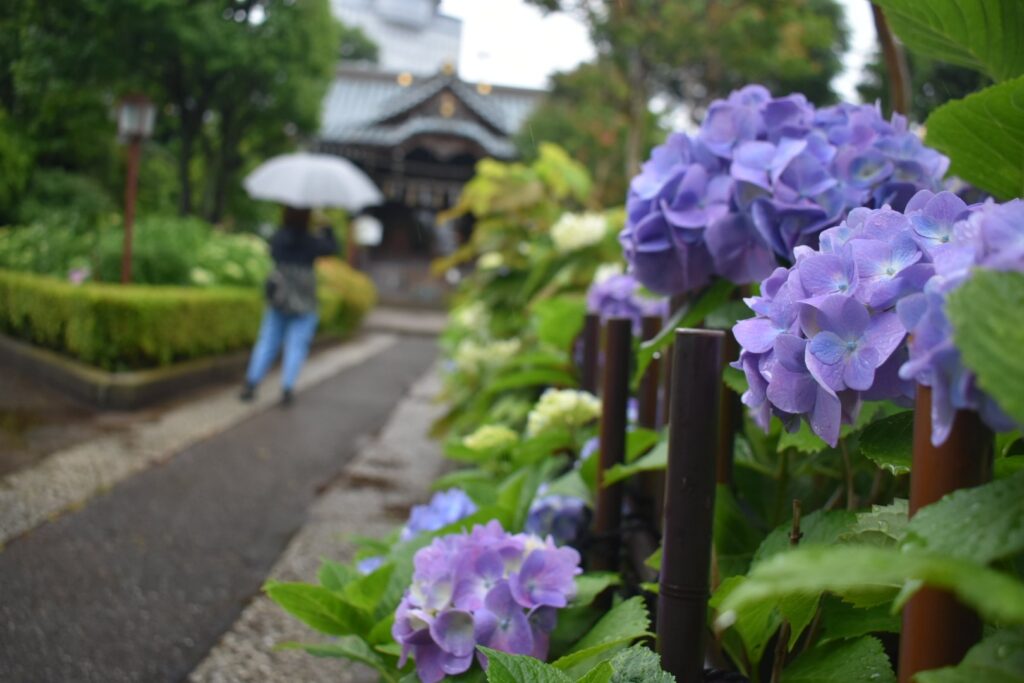
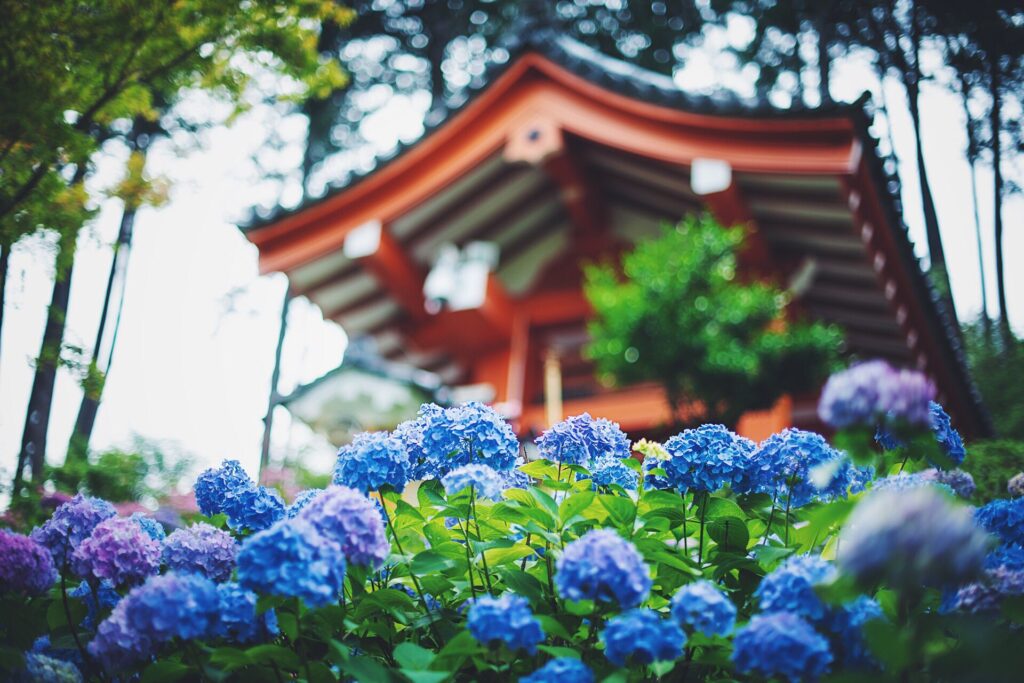
- Hydrangeas (Ajisai): These flowers bloom beautifully in the rain, especially at temples in Kamakura or Kyoto.
- Lush Moss Gardens: Places like Saiho-ji (the Moss Temple) in Kyoto look ethereal and vibrant green when wet.
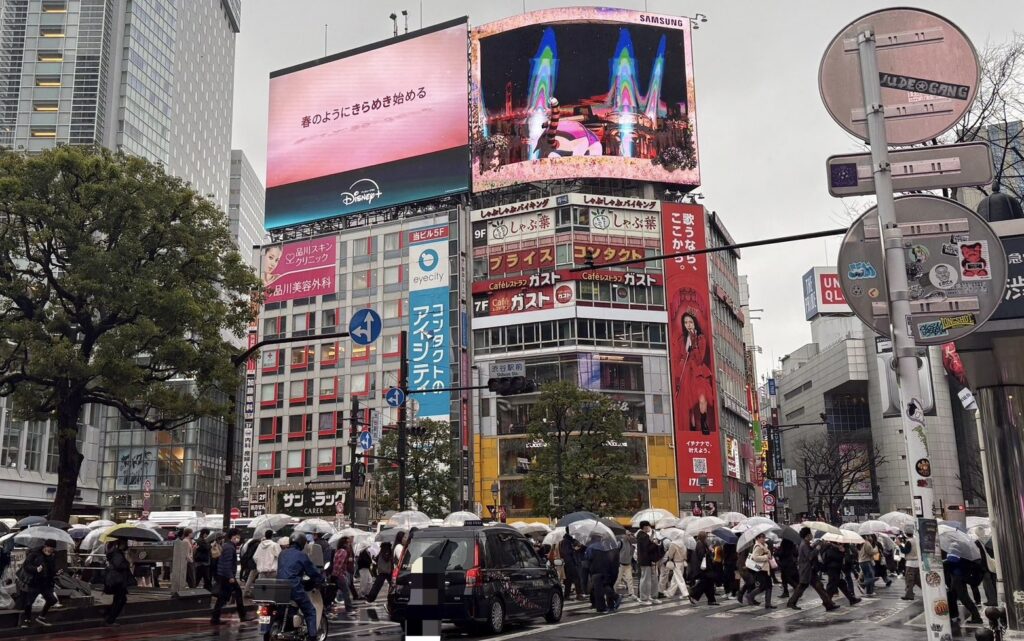
- Fewer Crowds: Popular spots like Fushimi Inari or Shibuya Crossing are much quieter, giving you better photo opportunities.
Conclusion
Does it rain every day? No. But even when it does, Japan’s rainy season is a season of atmosphere and “Wabi-sabi.” Grab a convenience store umbrella, a hot cup of matcha, and enjoy the poetic side of Japan
Bonus: Beautiful Rainy Scenery
Some temples and gardens are especially stunning during tsuyu, when hydrangeas (ajisai) are in full bloom. Consider visiting places like:
- Meigetsuin Temple (Kamakura)
- Hakusan Shrine (Tokyo)
- Mimuroto-ji Temple (Kyoto)
Tip: Many convenience stores sell umbrellas for under ¥500 (~$4 USD), so don’t worry if you forget yours!
More from my site
 Japan’s Rainy Season Explained: When Is Tsuyu and How to Enjoy It
 How to Survive Mosquito Season in Japan: Prevention & Remedies
 Japan Weather in June: What to Wear and Packing Guide
 What You Need to Know About Typhoons in Japan
 Japan’s Stunning Hydrangea Pond: Michinoku Hydrangea Festival 2025
 Shikisai-no-Oka: A Must-Visit Colorful Flower Field in Biei, Hokkaido