
A Guide to Kadomatsu, Japan’s New Year Symbol
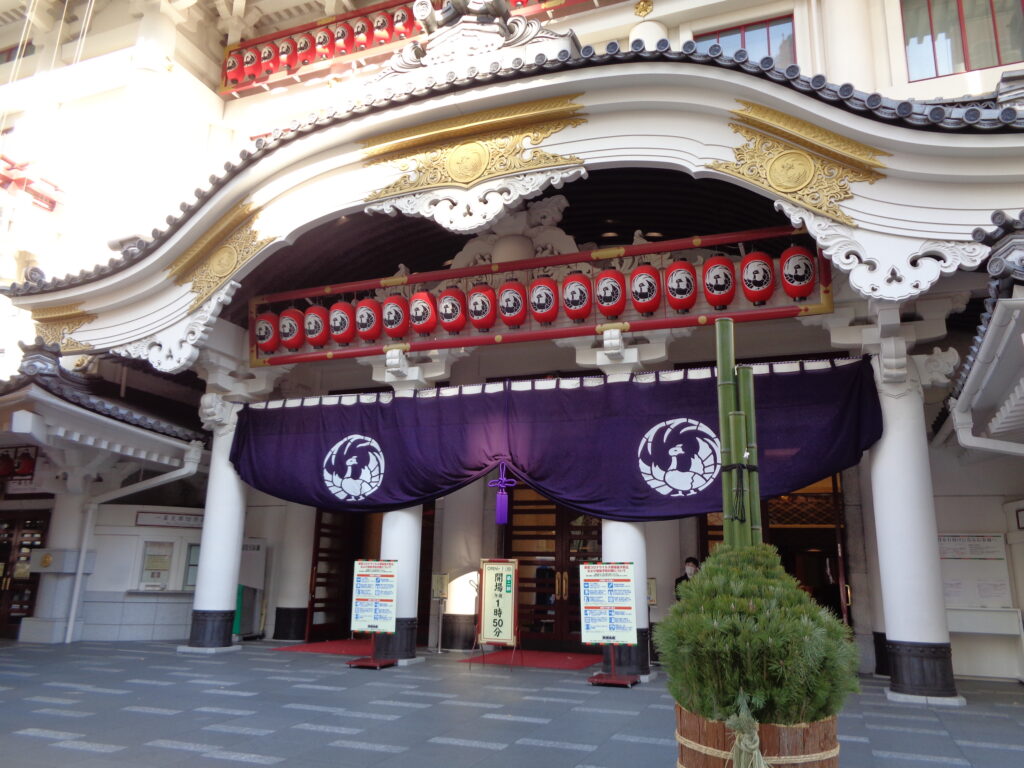
When visiting Japan during the New Year season, you may notice tall bamboo decorations placed at the entrances of buildings.
Many travelers wonder: What are these decorations? Why bamboo? And when can you see them?
These traditional ornaments are called Kadomatsu (門松), and they play an important role in Japanese New Year culture.
What Is Kadomatsu?
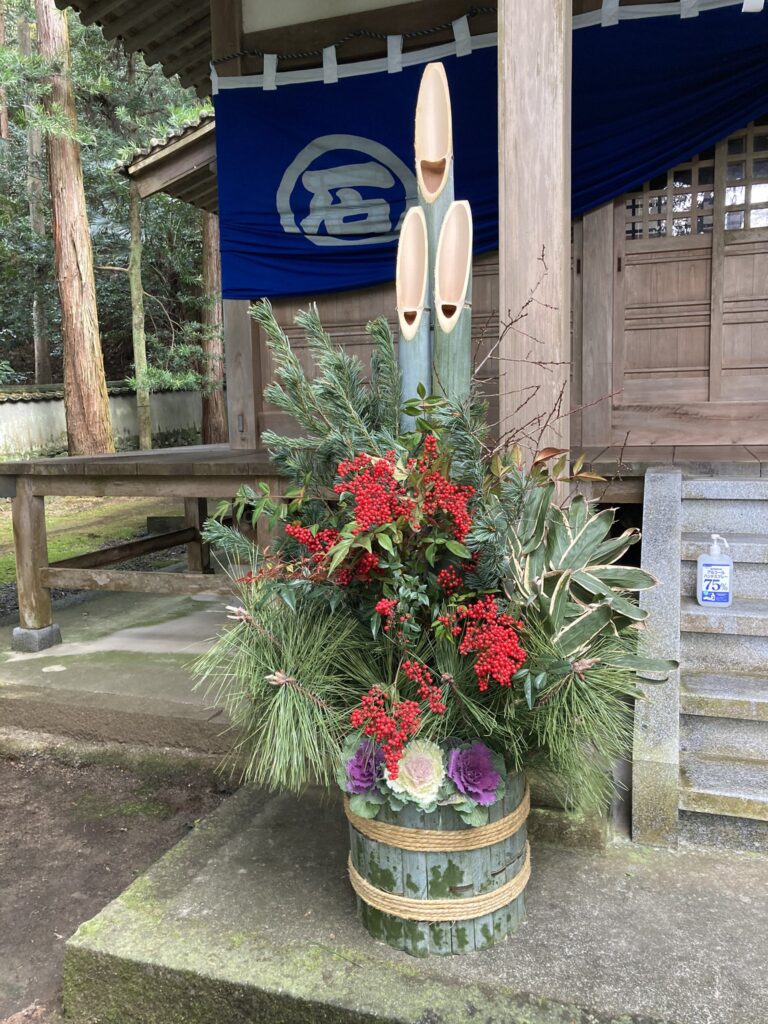
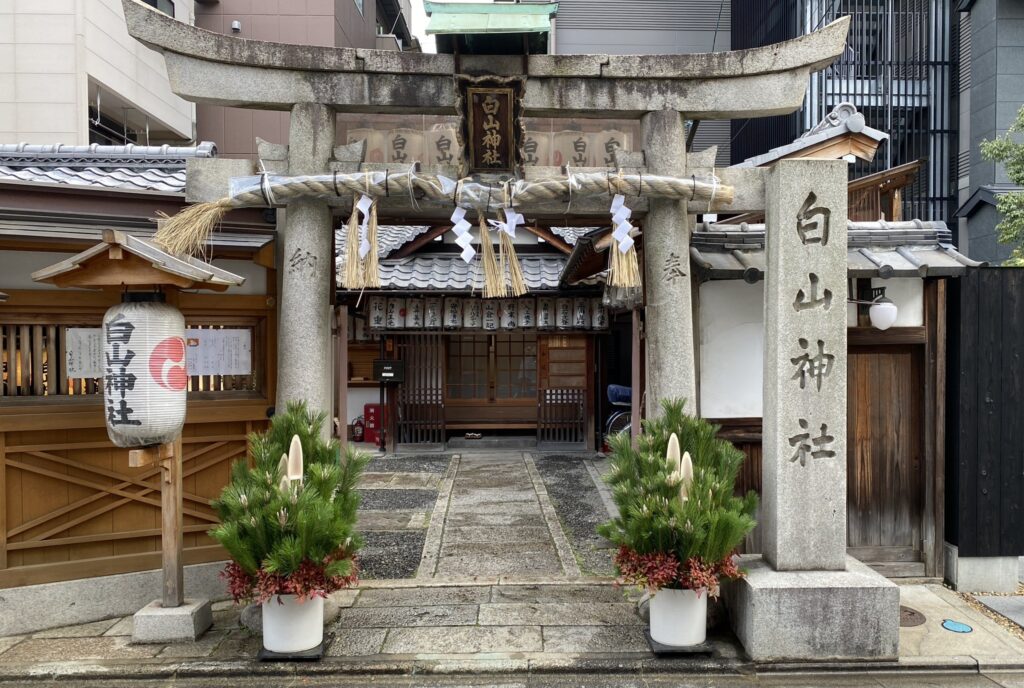
Kadomatsu is a traditional Japanese New Year decoration placed at the entrance of homes, shops, hotels, shrines, and public buildings.
- Kado (門) means “gate” or “entrance”
- Matsu (松) means “pine tree”
Kadomatsu is believed to welcome a divine spirit for the New Year, known as Toshigami, who brings good fortune, health, and prosperity for the coming year.
Why Is Kadomatsu Made of Bamboo and Pine?
Kadomatsu is usually made from three main natural elements:
Bamboo
- Symbol of growth, strength, and vitality
- Bamboo grows straight and fast, representing a strong and honest life
Pine
- Symbol of longevity and endurance
- Pine trees stay green even in winter, representing eternal life
Plum branches (sometimes included)
- Symbol of renewal and hope
- Plum blossoms bloom early, even in cold weather
The combination of these plants expresses wishes for health, long life, and a fresh start.
Why Is the Bamboo Cut at an Angle?
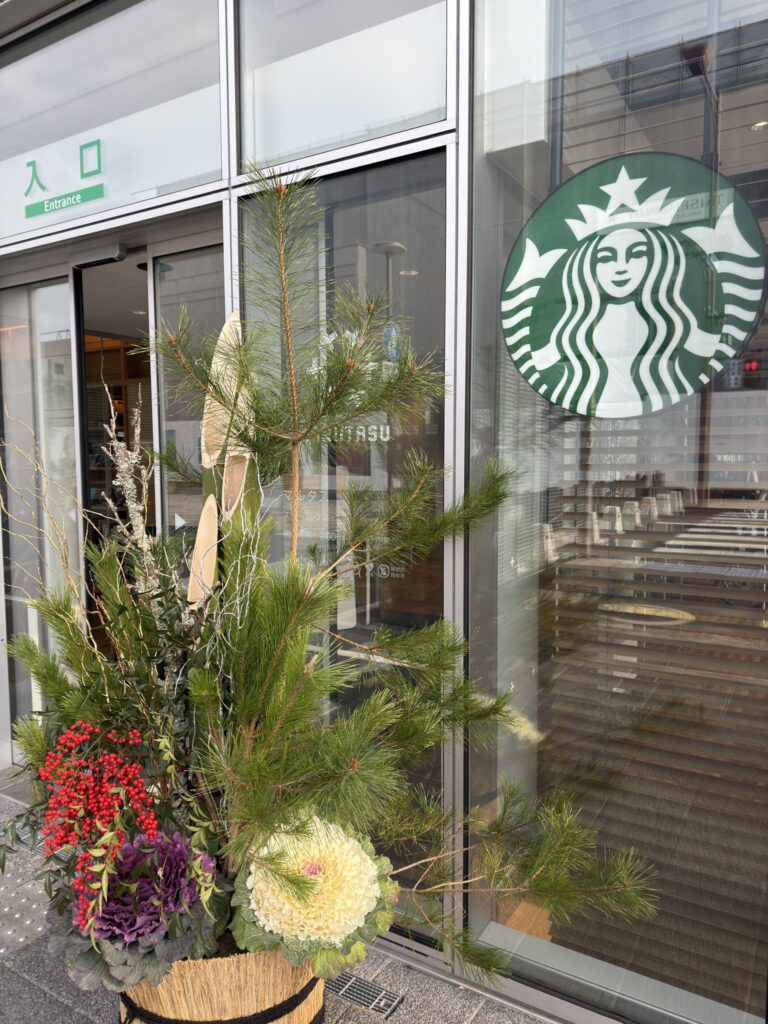
Many Kadomatsu feature bamboo stalks cut diagonally at the top.
This style is called “Sogi” and has two meanings:
- It looks beautiful and dynamic
- The cut reveals the inside of the bamboo, symbolizing openness and readiness to receive good fortune
When Can You See Kadomatsu?
Kadomatsu is displayed only for a short period each year.
- Displayed: Late December (usually from December 26–28)
- Removed: January 7 (or January 15 in some regions)
After this period, the decorations are taken down and traditionally burned in a ritual called Dondoyaki, to send the New Year spirit back to the heavens.
👉 Because of this limited time, Kadomatsu is a rare seasonal sight for winter travelers.
Where Can You Find Kadomatsu?
Foreign visitors can easily find Kadomatsu in many places, such as:
- Hotels and ryokan (traditional inns)
- Department stores and shopping malls
- Shrines and temples
- Office buildings and restaurants
- Train stations and airports
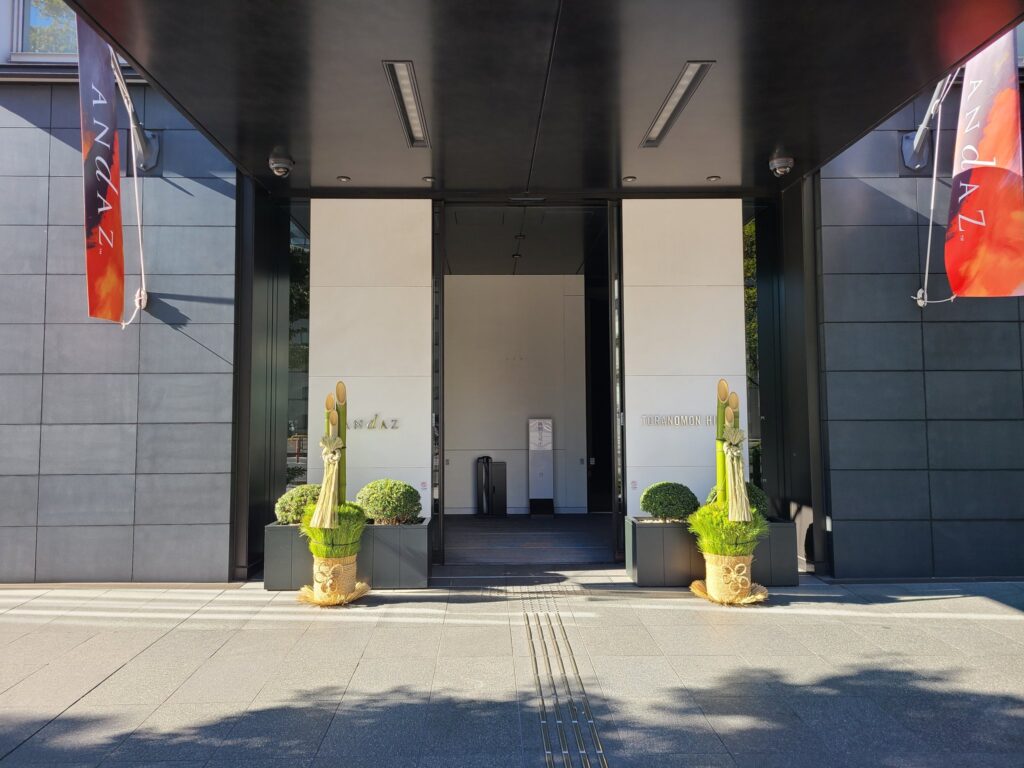
Luxury hotels and department stores often display large, beautifully designed Kadomatsu, perfect for photos.
Is Kadomatsu a Religious Object?
Kadomatsu comes from Shinto beliefs, but you don’t need to be religious to appreciate it.
For Japanese people, it is more about:
- Respecting tradition
- Celebrating the New Year
- Wishing for happiness and good luck
Visitors are welcome to admire and photograph Kadomatsu freely.
Tips for Travelers
- Photo tip: Early morning or evening light makes bamboo textures stand out beautifully
- Best places: Hotel entrances and department stores often have the most impressive designs
- Timing matters: Visit Japan between late December and early January to see Kadomatsu
A Symbol of Welcoming the New Year
Kadomatsu is not just decoration—it is a symbol of hospitality, hope, and new beginnings.
Next time you see a bamboo arrangement in Japan during the New Year, you’ll know that it is quietly welcoming good fortune for everyone who passes through the gate.
Aichi Airport Alcoholic beverage Anime Anime pilgrimage April Architecture August Autumn Building Capital Area Cherry blossom Convenience store February Flower January Japanese food kanto Kinki Kyoto March May Nagoya Nature Nightlife Night view Osaka Photogenic Pink Sakura Shopping Shrine Souvenir Spring Station Summer Superb view Temple Tips Tokai Tokyo Traffic train White Winter

More from my site
 7 Things to Do During Japanese New Year | A Complete Guide for Travelers
 Lucky Bag (Fukubukuro) in Japan: New Year Deals Tourists Love
 2026: The Year of the Horse in Japan – Meaning, Culture, and New Year Souvenirs
 Best Hatsumode Spots in Tokyo for the New Year
 Is There a New Year’s Countdown in Shibuya?
 Happy new year in Japan = Hatsumode to shrine or temple