
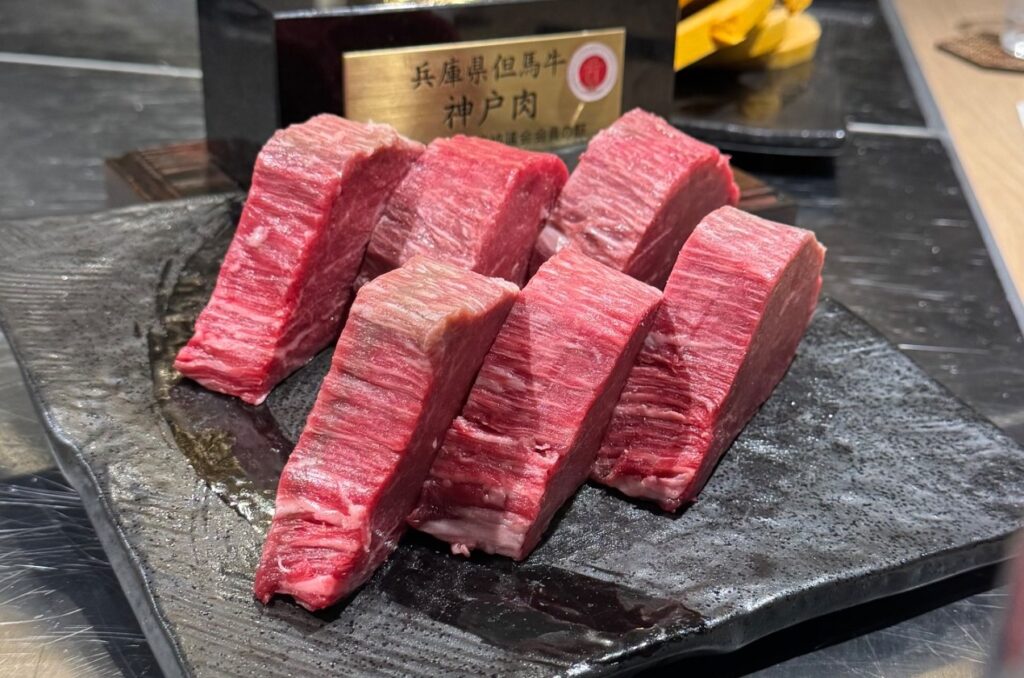
Many visitors to Japan have heard the word “Wagyu”, but not everyone knows that there are different types, grades, and regions, each with its own flavor, price, and rarity.
This guide will help you understand what makes Wagyu special—and how to choose the best one for your trip.
What Is Wagyu?
“Wagyu” literally means Japanese cow.
True Wagyu refers to beef from specific Japanese cattle breeds, raised under strict standards.
Key characteristics:
- Extremely fine marbling
- Rich, buttery flavor
- Tender texture that melts in your mouth
⚠️ Outside Japan, many restaurants use the word “Wagyu” loosely.
In Japan, Wagyu is highly regulated and authentic.
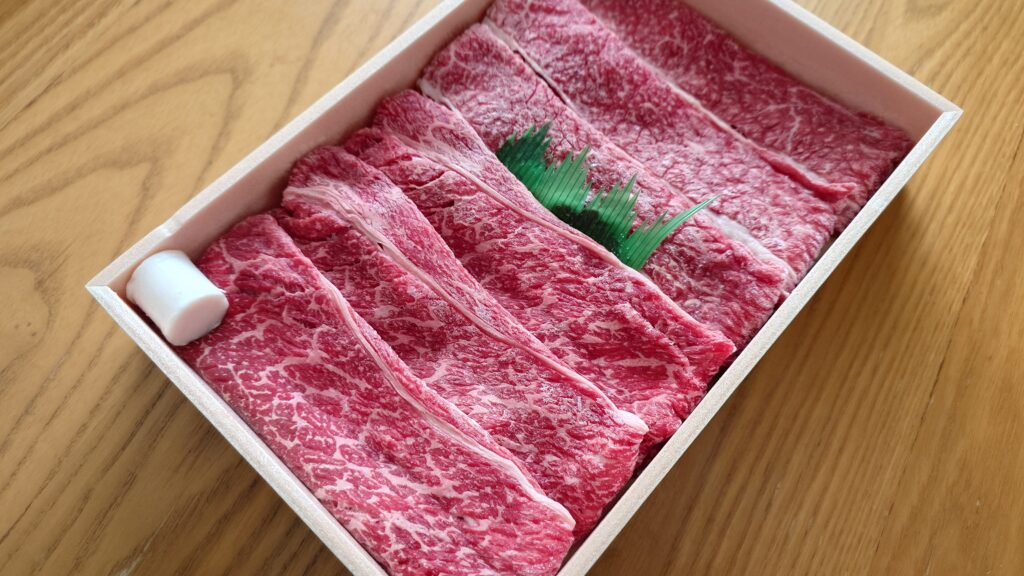
What Does “A5 Rank” Mean?
Wagyu is graded by the Japan Meat Grading Association, using two factors:
1. Yield Grade (A–C)
- A = highest yield (most usable meat)
2. Meat Quality Score (1–5)
Evaluated by:
- Marbling
- Color
- Firmness
- Fat quality
🥇 A5 = Highest Possible Grade
- Top-level marbling
- Extremely rich flavor
- Very tender
💡 A5 does not mean “best for everyone.”
Some people prefer A4 or even A3 because A5 can be very rich.
Famous Wagyu Brands & Their Differences
🥩 Matsusaka Beef (松阪牛)
Region: Mie Prefecture
Taste:
- Exceptionally sweet fat
- Ultra-soft texture
Price: 💰💰💰💰💰 (Very expensive)
Rarity: ⭐⭐⭐⭐⭐ (Extremely rare)
Why it’s special:
- Only female cattle
- Raised with long-term care
- One of the most luxurious Wagyu in Japan
👉 Often considered one of the finest beefs in the world
🥩 Kobe Beef (神戸牛)
Region: Hyogo Prefecture
Taste:
- Balanced richness
- Elegant, refined flavor
Price: 💰💰💰💰
Rarity: ⭐⭐⭐⭐
Why it’s special:
- Strict certification system
- Limited production
- Famous worldwide
👉 The most internationally recognized Wagyu brand
🥩 Omi Beef (近江牛)
Region: Shiga Prefecture
Taste:
- Mild sweetness
- Clean, smooth aftertaste
Price: 💰💰💰
Rarity: ⭐⭐⭐
Why it’s special:
- One of Japan’s oldest Wagyu brands
- Easier to find in Kansai
👉 Great balance of quality and accessibility
🥩 Hida Beef (飛騨牛)
Region: Gifu Prefecture
Taste:
- Rich but not overpowering
- Excellent umami
Price: 💰💰💰
Rarity: ⭐⭐⭐
Why it’s special:
- Raised in mountainous regions
- Excellent for steak and yakiniku
Taste, Price & Rarity Comparison
| Brand | Taste Richness | Price | Rarity |
|---|---|---|---|
| Matsusaka | Very Rich | Very High | Extremely Rare |
| Kobe | Rich & Balanced | High | Rare |
| Omi | Mild & Smooth | Medium–High | Moderate |
| Hida | Rich & Umami | Medium–High | Moderate |
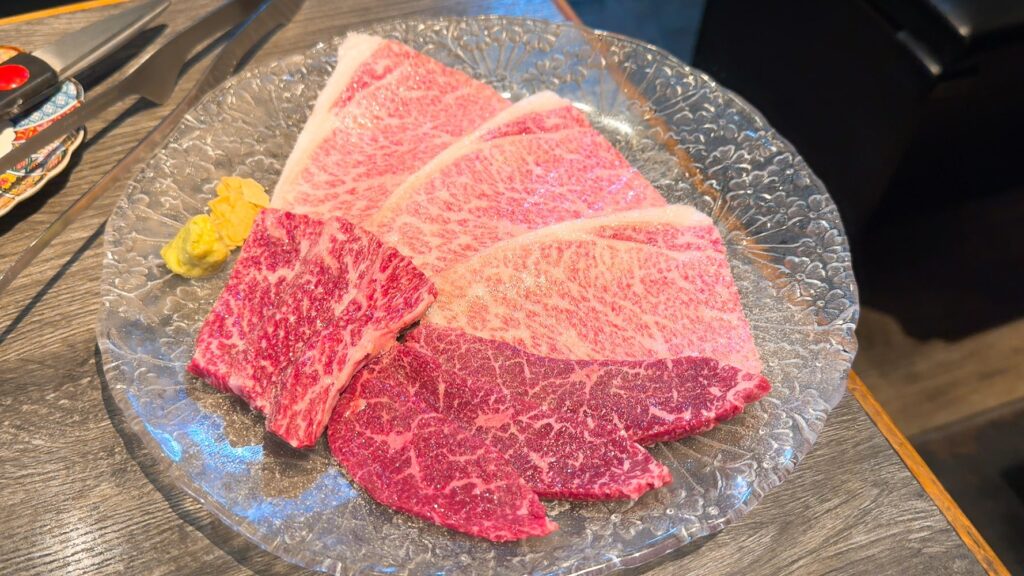
How to Choose Wagyu as a Tourist
✔ For a once-in-a-lifetime experience:
→ Matsusaka or Kobe (A4 or A5)
✔ For first-time Wagyu eaters:
→ Omi or Hida (A4 recommended)
✔ For yakiniku or multiple dishes:
→ A3–A4 for better balance and less heaviness
Final Thoughts
Wagyu is not just “expensive beef.”
It reflects Japan’s regional pride, craftsmanship, and food culture.
Understanding the grade, region, and flavor profile will help you enjoy Wagyu more deeply—and choose the right one for your taste and budget.
If you’re visiting Japan, trying authentic Wagyu at least once is highly recommended.
More from my site
 How to Enjoy Kanazawa’s Omicho Market: Seafood Bowls, Street Food & Etiquette
 Kanazawa Food Guide: 7 Must-Eat Delicacies and the Best Time to Visit
 How to Enjoy Yakiniku in Japan: A First-Timer’s Guide to Grilled Meat Culture
 What is Karubi? Introducing Japan’s Yakiniku Beef Cuts
 Japan’s Original Burger Chains: 4 Unique Tastes You Must Try🍔
 A Foodie’s Guide to Matsumoto: Top 5 Local Dishes You Must Try