
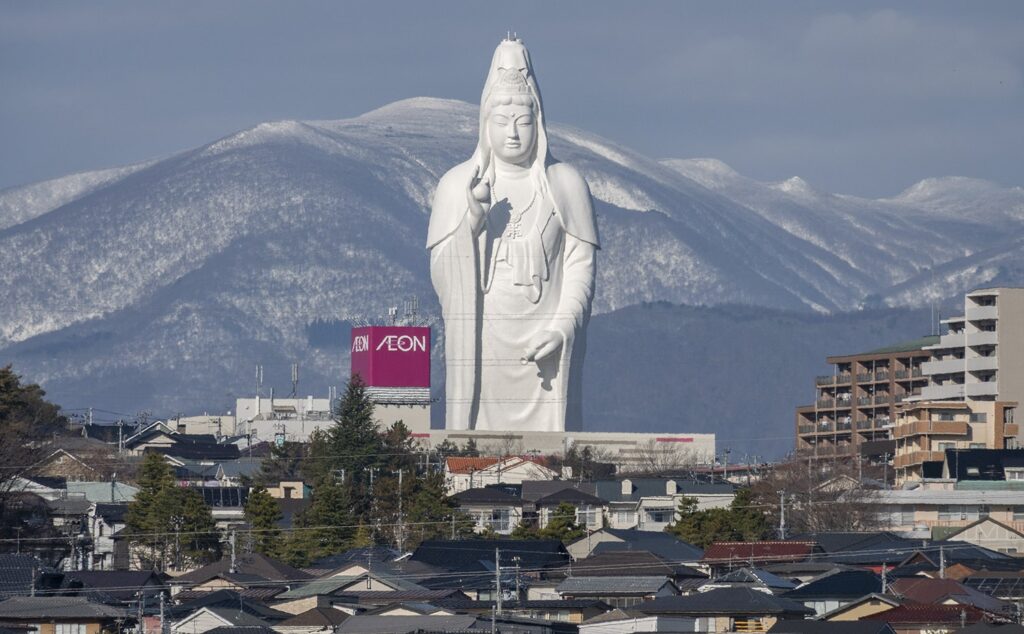
Towering above the city of Sendai, Sendai Daikannon is one of Japan’s most surprising landmarks.
Standing at 100 meters tall, it is the second tallest statue in Japan—and one of the very few giant statues in the country that visitors can actually enter and explore from the inside.
Both sacred and slightly surreal, this massive white statue has also earned a playful nickname on Japanese social media: “the Final Boss.”
What Is Sendai Daikannon?
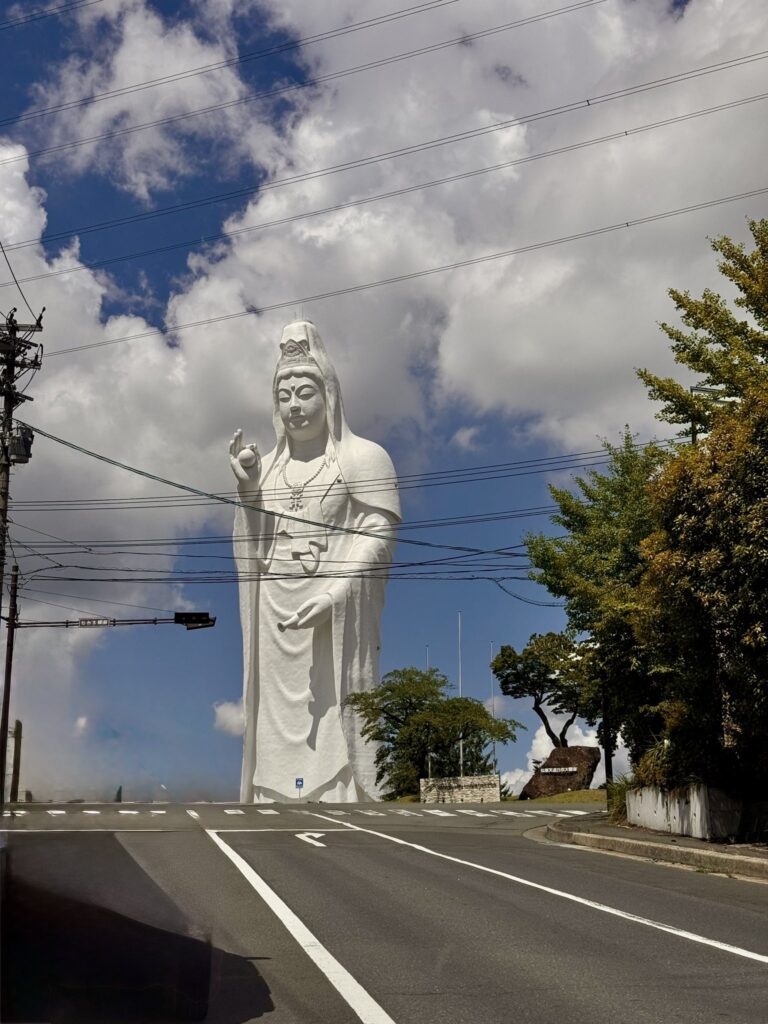
Sendai Daikannon represents Byakue Kannon, the Bodhisattva of Compassion in Japanese Buddhism.
Kannon is believed to watch over people, guide them through suffering, and bring peace and protection.
The statue stands on a hill in northern Sendai, quietly overlooking the city—making its presence impossible to miss.
- Height: 100 meters
- Ranking: Second tallest statue in Japan
- Completed: 1991
- Location: Sendai, Miyagi Prefecture
History: A Modern Monument to Peace
Unlike many historic temples in Japan, Sendai Daikannon is a modern religious monument.
It was completed in 1991, during Japan’s economic boom, with prayers dedicated to world peace, safety, and happiness.
Despite its relatively recent construction, the statue has become one of Sendai’s most recognizable landmarks and a symbol of the city’s unique mix of tradition and modern culture.
Go Inside the Statue: A Rare Experience in Japan
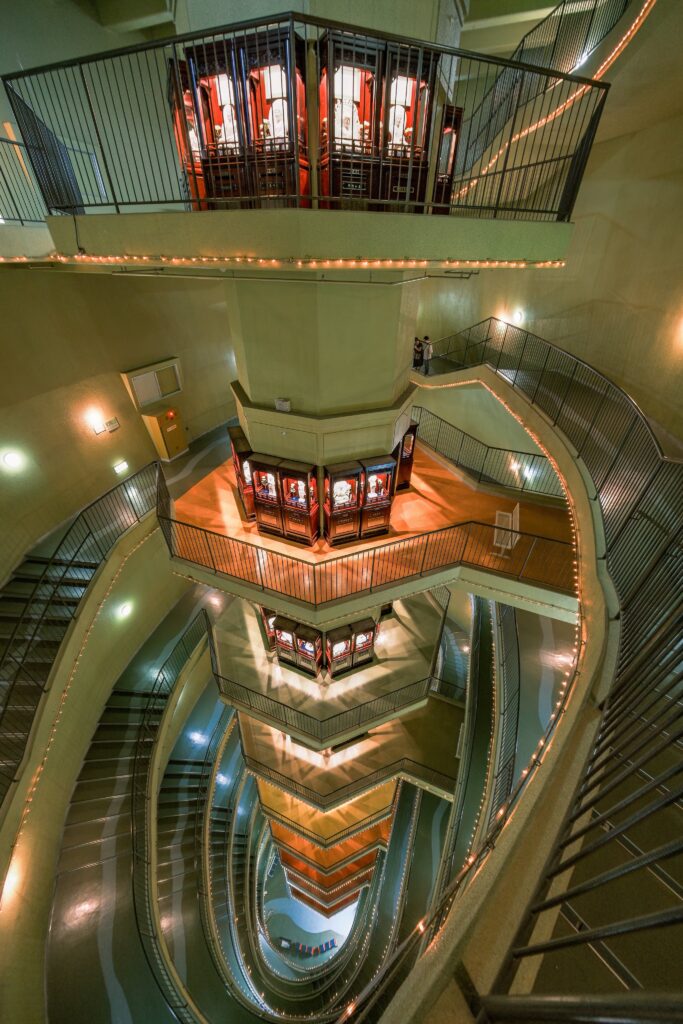
One of the most fascinating features of Sendai Daikannon is that visitors can enter the statue.
Inside, you’ll find:
- 12 floors connected by an elevator and stairs
- 108 Buddhist statues, symbolizing human desires
- Displays explaining the 33 forms of Kannon
As you move upward, small windows provide unexpected views of Sendai—giving you a surreal feeling of looking out from inside a giant statue.
“The Final Boss”: Sendai Daikannon on Japanese Social Media
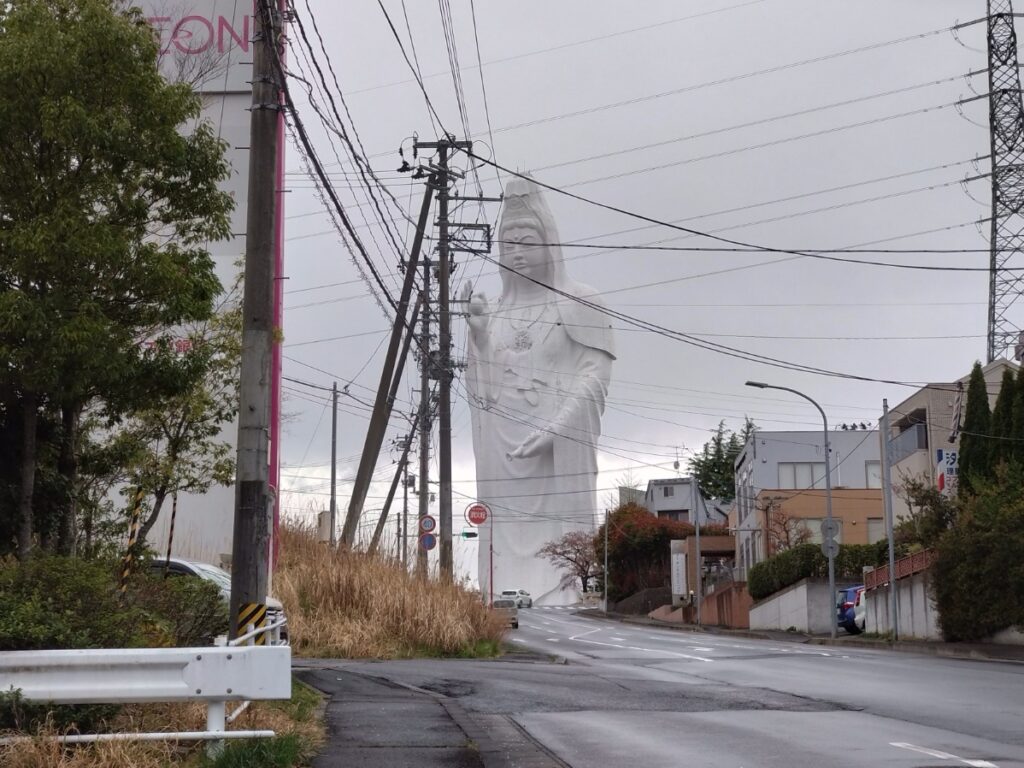
On Japanese social media, Sendai Daikannon is sometimes jokingly called “the Final Boss.”
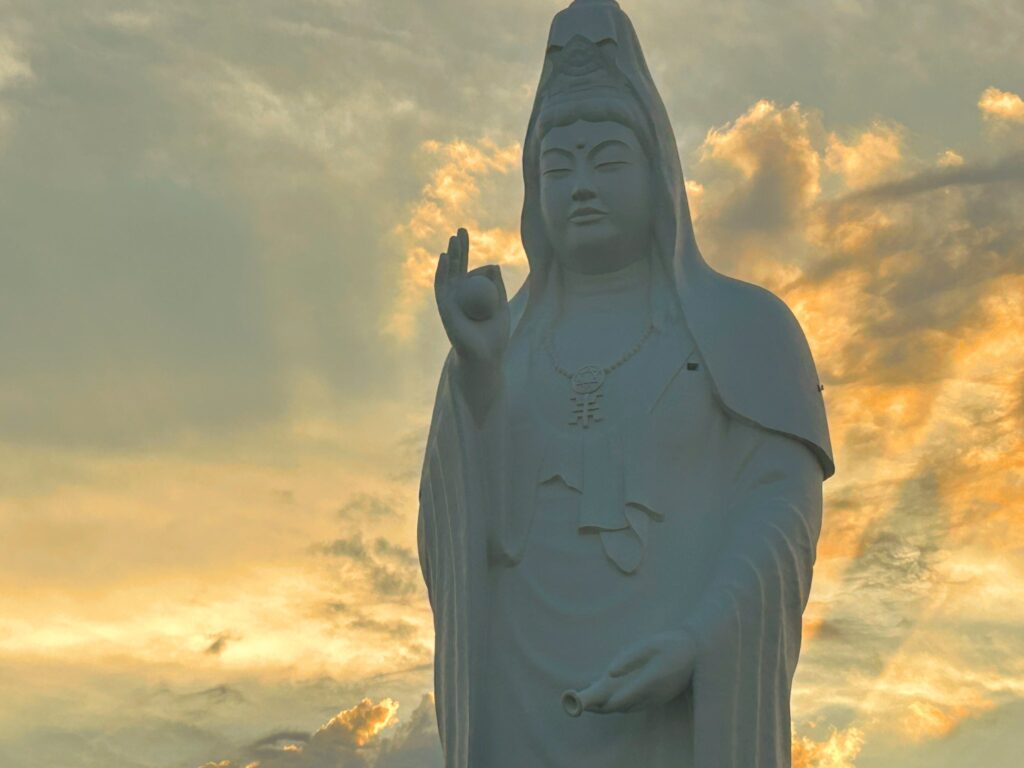
Its massive scale, pure white color, and dramatic hilltop location remind many people of a giant enemy or guardian from a Japanese RPG, anime, or fantasy game—as if it’s waiting at the end of a final stage.
This nickname is shared in a playful and affectionate way, often alongside dramatic photos taken from below or from a distance.
It highlights how Japanese culture often blends religion, humor, and pop culture seamlessly.
Best Photo Spots 📸
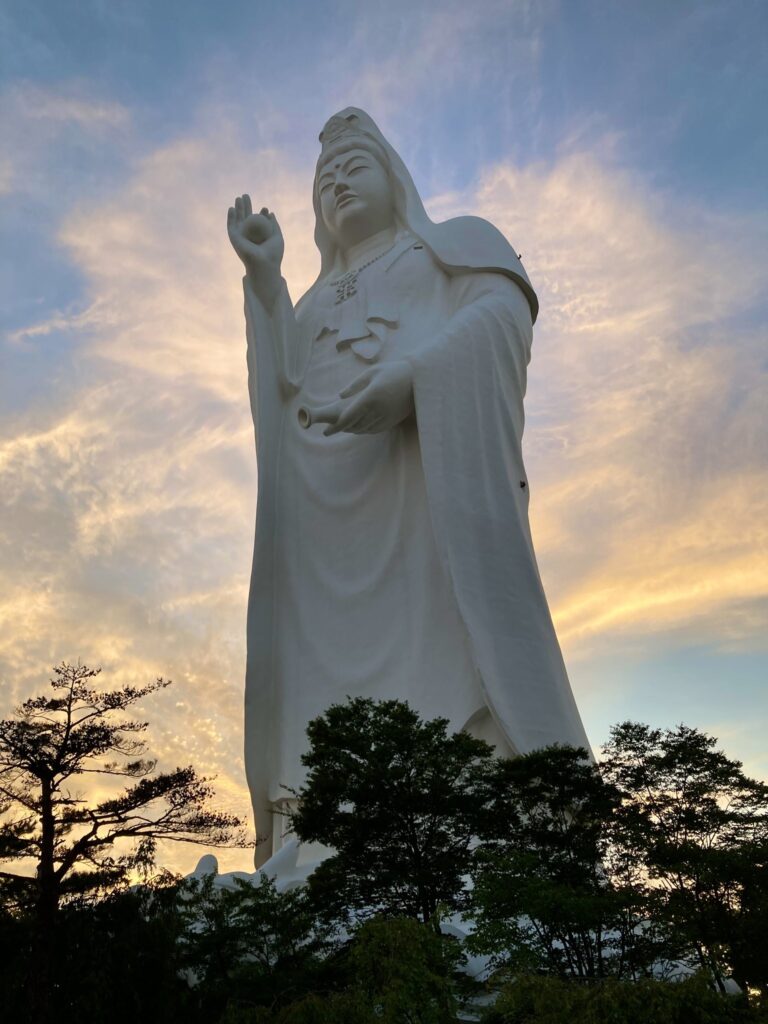
Sendai Daikannon is incredibly photogenic, especially because of its size and setting.
Recommended photo spots:
- From the base of the statue, looking straight up
- Along the approach path, where the statue slowly comes into view
- Distant shots with Sendai’s cityscape in the background
- Seasonal contrasts:
- Cherry blossoms (spring)
- Autumn leaves
- Snow-covered winter scenery
Tip: A wide-angle or ultra-wide lens works best to capture the full scale.
Access
- Nearest station: Izumi-Chuo Station (Sendai Subway Namboku Line)
- From Izumi-Chuo Station:
- Bus or taxi: approx. 10–15 minutes
- From Sendai Station:
- Approx. 30–40 minutes total travel time
The statue is not in the city center, but access is straightforward.
Admission Fees & Opening Hours
- Admission fee:
- Adults: approx. 500 JPY
- Children: discounted rates available
- Opening hours:
- Typically 10:00 AM – 4:00 PM
- Last entry is earlier; hours may vary by season
Check official information before visiting, as hours can change.
Why Visit Sendai Daikannon?
- See one of the tallest statues in Japan
- Explore the inside of a giant Buddhist statue
- Discover a unique mix of spirituality and internet culture
- Enjoy a quiet, uncrowded attraction
- Take unforgettable photos of Japan’s so-called “Final Boss”
If you’re looking for something different in Sendai—something spiritual, surreal, and unforgettable—Sendai Daikannon is a destination you won’t forget.
More from my site
 Discover Miyagi’s Hidden Winter Wonderland: Aone Onsen Snow Light Festival
 3 Stunning Cherry Blossom Spots in Miyagi You Shouldn’t Miss
 Why Hokkaido Is Japan’s Ultimate Winter Destination
 Kemuyama Sunflower Park: A Hidden Floral Gem in Iwate Japan
 Hirosaki Castle Sakura 2025: Best Cherry Blossom Viewing & Festival Guide
 Saitama Chichibu’s Three Great Icicles – A Stunning Winter Spectacle