
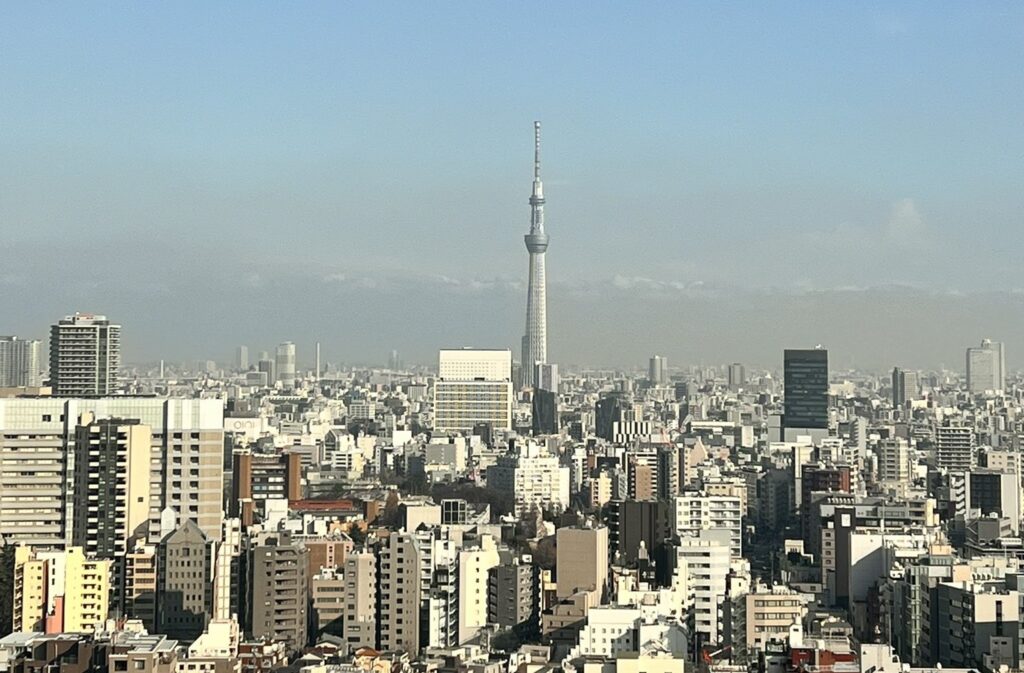
If the sky in Japan looks hazy, slightly yellow, or dusty—especially in spring—you’re probably seeing Kosa (Yellow Dust) or experiencing pollen season.
For travelers visiting Japan between February and May, this is something worth understanding.
🌫 What Is Kosa (Yellow Dust)?
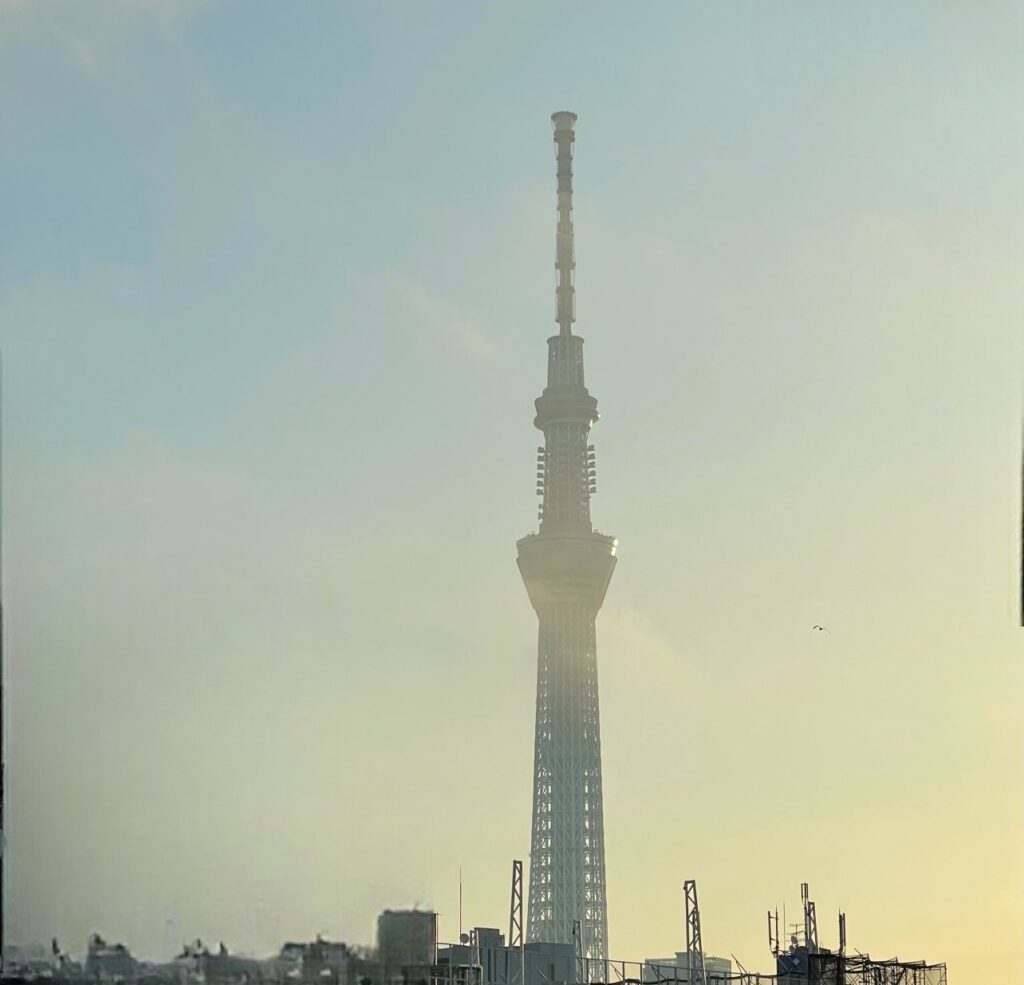
Kosa is fine sand blown from desert regions in China and Mongolia. Strong winds carry it across East Asia, including Japan.
When Does It Happen?
- Main season: February to May
- Peak: March–April
Where in Japan?
- Most noticeable in western Japan
- Kyushu
- Chugoku region
- Kansai region
- Sometimes reaches:
- Chubu region (Nagoya area)
- Kanto region (Tokyo area)
What Does It Look Like?
- Yellowish or beige sky
- Distant buildings look blurry
- Cars and balconies may get dusty
- Sunset may look more orange than usual
🌲 What About Pollen?
Japan has a very intense cedar (sugi) and cypress (hinoki) pollen season.
After World War II, large areas were planted with cedar trees, and today they produce huge amounts of pollen every spring.
When Is Pollen Season?
- Cedar (Sugi): February–April
- Cypress (Hinoki): March–May
Where Is It Worst?
- Nationwide problem
- Particularly strong in:
- Kanto region
- Kansai region
- Chubu region
Even visitors with no allergy history sometimes experience symptoms in Japan.
🤧 Common Symptoms
Kosa
- Scratchy throat
- Eye irritation
- Mild breathing discomfort
Pollen
- Sneezing
- Runny nose
- Itchy eyes
- Fatigue
If your eyes are itchy, it’s probably pollen.
If the sky looks yellow and visibility is low, it’s likely Kosa.
Sometimes, it’s both at the same time.
🛡 How to Protect Yourself
1️⃣ Wear a Mask
Masks are common in Japan and socially accepted.
They help reduce pollen and dust inhalation.
2️⃣ Check the Forecast
Search:
- “Japan pollen forecast”
- “Kosa forecast Japan”
Weather apps and local news provide daily updates.
3️⃣ Wash Face and Hands
After returning to your hotel:
- Wash your face
- Rinse your eyes
- Change clothes if exposure was heavy
4️⃣ Keep Windows Closed
Especially on windy days.
5️⃣ Buy Allergy Medicine
Available at Japanese drugstores.
Look for “allergy” or ask staff for “kafun allergy medicine.”
Should Tourists Be Worried?
For most travelers, it’s uncomfortable—but not dangerous.
However, if you:
- Have asthma
- Have strong seasonal allergies
- Are sensitive to air pollution
You may want to monitor air quality during your stay.
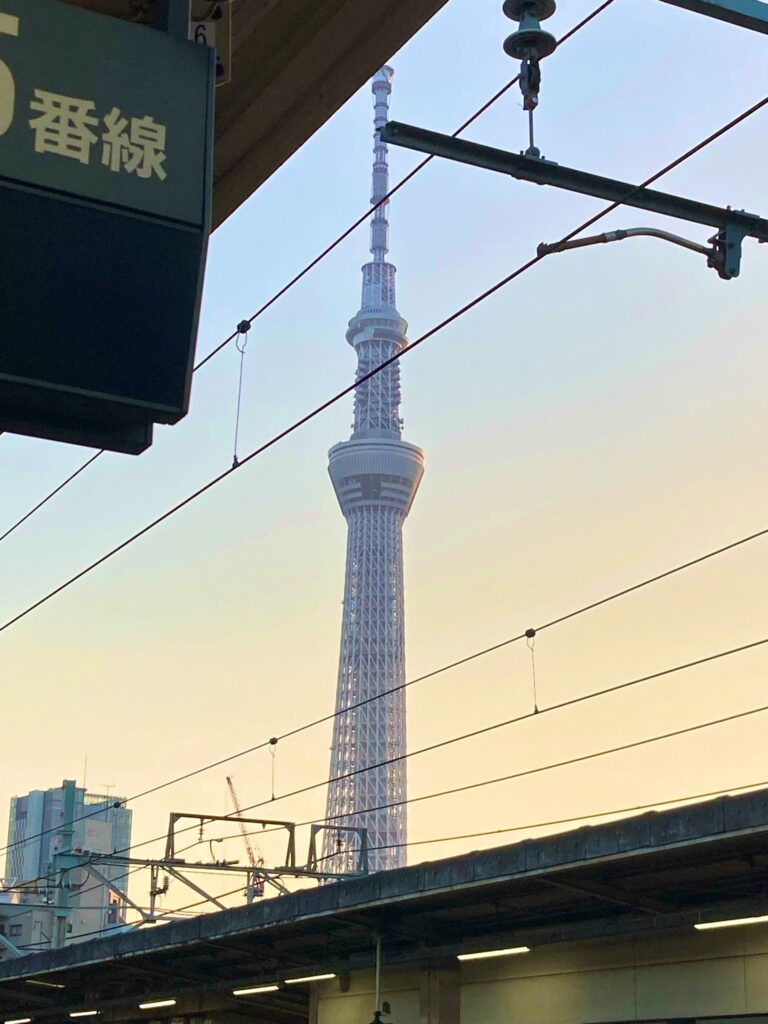
🌸 Final Tip for Spring Travelers
Spring is one of the most beautiful seasons in Japan—cherry blossoms, mild weather, and festivals.
But if the air looks hazy or yellow, now you know why.
It’s not fog.
It’s likely Kosa, pollen—or both.
More from my site
 333 Vibrant Koinobori at Tokyo Tower: A Spectacular Spring Guide
 Starbucks Japan SAKURA 2026: Limited-Edition Goods & Drinks to Celebrate Spring
 Starbucks Japan Sakura 2025: Second Release Brings New Drinks & Exclusive Sakura Goods
 Starbucks Japan 2025 SAKURA: Limited-Edition Drinks & Merchandise
 Spring Limited! Sakura-Themed & Sakura-Infused Beer Special
 Best Wisteria Spots in Japan: The Ultimate Guide