
The Japan Rail Pass (JR Pass) has long been the “holy grail” for travelers exploring Japan. However, following the major price hike in 2023 and the new pricing rules effective October 1, 2026, the strategy for using the pass has completely changed.
In this guide, we break down the 2026 rules to help you decide if the pass is a “must-buy” or a “money-waster” for your trip.
1. What is the Japan Rail Pass? (2026 Basics)
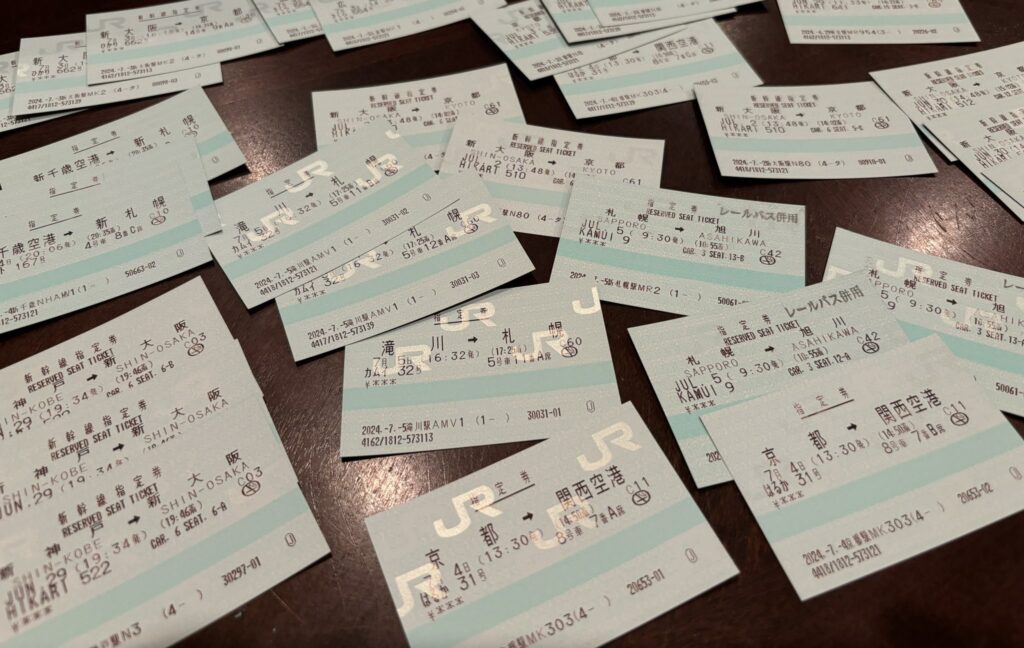
The JR Pass allows unlimited travel on the “JR Group” network, including Shinkansen (bullet trains), limited express trains, local lines, and even some buses and ferries.
New Pricing (Standard Cars / Adults) – Effective Oct 2026
From October 2026, buying at physical ticket offices in Japan will be significantly more expensive due to the “Dual Pricing” system.
| Duration | Official Online Price (Standard) |
| 7 Days | ¥50,000 |
| 14 Days | ¥80,000 |
| 21 Days | ¥100,000 |
[!NOTE]Pro Tip: Purchasing your pass via our affiliate links (Klook/KKday) often allows you to apply discount codes or earn reward points, making the “real cost” lower than the official price.
2. What Changed After the Price Hike?
The days of “breaking even” with just a simple Tokyo–Kyoto round trip are gone. Here are the key rules for 2026:
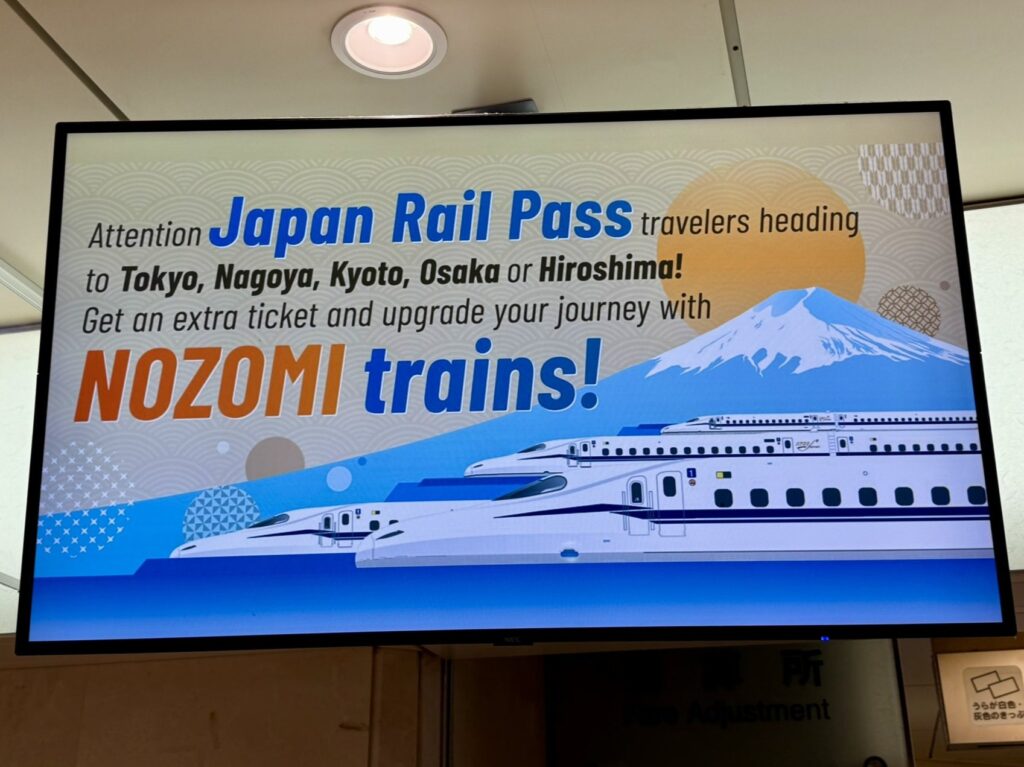
- Nozomi & Mizuho Trains: The fastest Shinkansen lines are not included in the base price. You must purchase a special “Supplementary Ticket” to ride them.
- Seat Reservations: If you buy through the official site or authorized partners, you can reserve your seats online before you even arrive in Japan.
3. The “Worth It” vs. “Not Worth It” Test
With the 7-day pass priced at ¥50,000, let’s look at the math:
✅ It’s Worth It If…
- You are a “Speed Traveler”: You plan to visit Tokyo, Kyoto, Hiroshima, and Fukuoka all within 7 days.
- Long-Distance Loops: For example, a trip starting in Tokyo, going north to Hokkaido, and returning to Tokyo.
- Flexibility is Priority: You want to hop on and off trains without buying individual tickets every time.
❌ You’re Better Off Without It If…
- The “Golden Route” Only: A round trip between Tokyo and Osaka/Kyoto costs roughly ¥30,000. Using a ¥50,000 pass for this would be a ¥20,000 loss.
- Slow Travel: If you spend 4–5 days in one city (like Kyoto) and only take local trains, individual tickets are much cheaper.
4. Smart Alternatives to the National JR Pass
If the nationwide pass is too expensive for your itinerary, consider these:
① Regional JR Passes
These cover specific areas (like Kansai, Hokkaido, or Kyushu) and are still incredible value.
- Top Pick: The Kansai-Hiroshima Area Pass or the Hokuriku Arch Pass.
② IC Cards (Suica / PASMO / Welcome Suica)
Essential for subways and buses in cities. Since the JR Pass doesn’t cover non-JR subways, you will need one of these anyway.
③ Highway Buses
If you are on a budget, overnight buses can take you from Tokyo to Osaka for as low as ¥4,000—saving you both transport and accommodation costs.
5. How to Get the Best Deal
To maximize your budget, we recommend booking through our authorized partner links.
🛒 Why Book Through Our Link (Klook)?
- Discount Coupons: Frequent “First-time user” or “Seasonal” promos.
- Earn Points: Use the rewards from your JR Pass purchase to get discounts on Tokyo Disneyland tickets or Pocket Wi-Fi.
- All-in-One Management: Keep your train pass, eSIM, and tour bookings in one app.

Final Verdict for 2026
- Calculate First: Use a fare calculator to see if your total travel exceeds ¥50,000.
- Think Regional: If you aren’t crossing the whole country, a Regional Pass is usually the smarter play.
- Book Early: Secure your pass online to ensure you get the best rate and easy seat reservations.
Enjoy your journey through the beautiful landscapes of Japan!
More from my site
 Surviving Meitetsu Nagoya Station: Why It’s Tricky & How to Board
 No Suica Needed? How to Use Credit Card Tap-to-Pay for Japan Trains & Buses in 2026
 Welcome to Shinjuku Dungeon: How to Navigate the World’s Busiest Hub
 The Ultimate Guide to Riding Trains in Japan
 How to Use & Retrieve Japan Coin Lockers: 2026 Guide
 Japan Train Etiquette 101: Can You Talk on the Phone?