
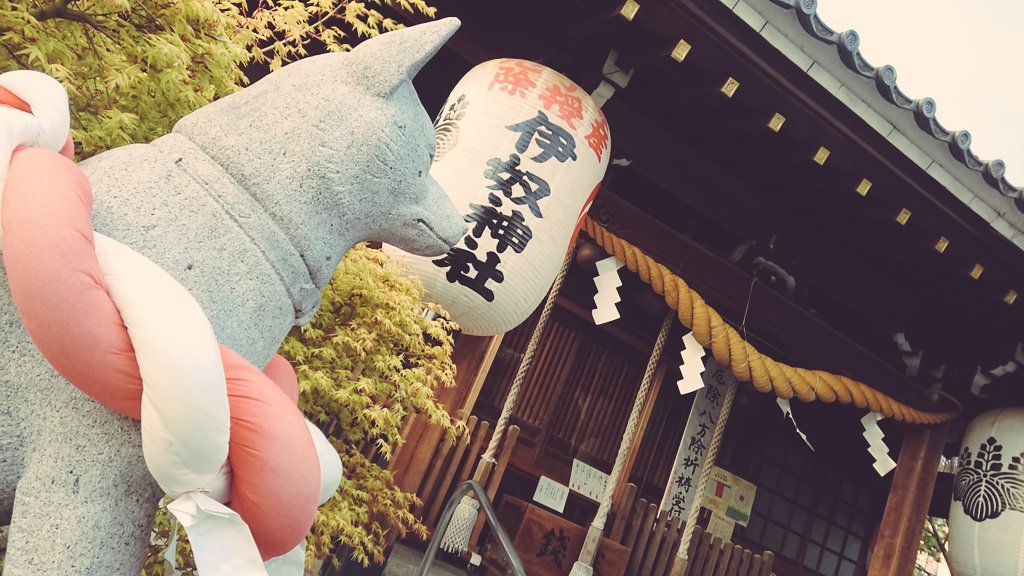
Did you know that Nagoya is home to a historic Japanese shrine famous for its connection to dogs?
Inu Shrine (伊奴神社, Inu Jinja) is a Shinto shrine in Nagoya, Japan, with a history dating back to 673 AD, according to its traditional account. It is particularly well known for its large dog stone statue and prayers for safe childbirth, fertility, and family happiness.
But why is this shrine associated with dogs? The answer lies in a local legend about a mysterious dog, a traveling mountain ascetic, and repeated floods along the Shonai River.
In this guide, you’ll learn about Inu Shrine’s history, the deities enshrined there, its traditional blessings, and how to visit this unique cultural attraction in Nagoya.
1. What Is Inu Shrine?
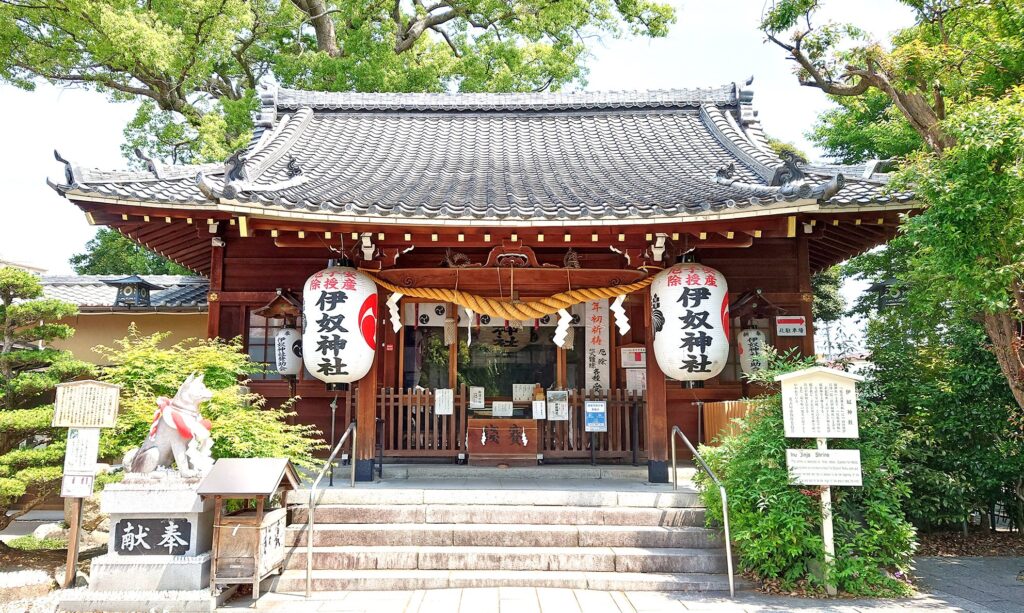
Inu Shrine is a historic Shinto shrine located in Nishi Ward, Nagoya, Aichi Prefecture, Japan.
The Japanese word inu (犬) means “dog,” making this shrine especially interesting to dog lovers and travelers looking for unusual cultural attractions.
According to the shrine’s official history, it was founded in 673 AD, during the reign of Emperor Tenmu. The shrine is said to have been established when rice harvested in the local area was presented to the imperial court.
With more than 1,300 years of history, Inu Shrine is one of Nagoya’s longstanding places of worship.
The shrine is particularly known for:
- Its famous dog stone statue: A landmark associated with the shrine’s founding legend.
- Prayers for safe childbirth: Expectant parents visit to pray for a safe delivery and a healthy baby.
- Traditional Japanese religious culture: Visitors can pay their respects, explore the shrine grounds, and ask about protective charms and shrine stamps.
Although the shrine’s name attracts attention, Inu Shrine is not simply a place to worship dogs. Its religious traditions are connected to protection from misfortune, prosperity, and family well-being.
2. The Legend Behind Inu Shrine’s Dog Statue

One of the most fascinating aspects of Inu Shrine is the legend explaining its connection to dogs.
According to the shrine’s traditional account, the story began in a village near the Shonai River, where residents frequently suffered from flooding. The area was also known for rice cultivation, so floods could threaten both homes and harvests.
A Mysterious Visitor and a Prayer Against Flooding
One day, a traveling yamabushi—a mountain ascetic associated with traditional Japanese religious practices—visited the village.
After hearing about the villagers’ troubles, he offered a prayer using a sacred object called a gohei, a ritual wand associated with Shinto ceremonies.
According to the legend, the village did not experience flooding that year, and the harvest was good.
Curious about the object, the villagers opened it despite being told not to do so. Inside, they discovered a picture of a dog and the words “犬の王” (Inu no Ō), meaning “King of Dogs.”
The following year, the village was flooded again.
How the Shrine Was Established
When the mountain ascetic returned, the villagers apologized and asked him to pray for them once more.
He instructed them to bury the sacred object and build a shrine to enshrine it.
The villagers followed his instructions, and the story says that flooding stopped and rice grew well afterward.
This legend is traditionally regarded as one of the origins of Inu Shrine. It also explains the shrine’s historical association with protection from disasters and misfortune.
The story is a local religious tradition rather than a verified historical account of the floods, but it remains an important part of the shrine’s identity.
3. What Is the Dog Stone Statue?
The dog stone statue is one of Inu Shrine’s most distinctive features.
It is connected to the shrine’s dog legend and its reputation for prayers related to childbirth.
In Japanese folk beliefs, dogs have long been associated with relatively easy childbirth. This association is one reason dogs appear in traditional symbols and customs related to pregnancy and birth.
At Inu Shrine, the dog statue has become a focal point for expectant parents who visit to pray for a safe delivery and the healthy growth of their children. The shrine itself explains this connection in its official account.
When visiting, take a moment to look at the statue and consider how local legends, religious customs, and everyday hopes have become connected over generations.
Photography tip: The dog statue is a natural subject for photographs, especially if you’re interested in Japanese cultural landmarks. Be considerate of other visitors and follow any photography restrictions displayed on the grounds.
4. Which Deities Are Enshrined at Inu Shrine?
Inu Shrine enshrines three principal deities. Each has different traditional associations and blessings.
Susanoo-no-Mikoto (素盞嗚尊)
Susanoo-no-Mikoto is a prominent deity in Japanese mythology and is associated with protection and well-being.
Traditional blessings include:
- Protection from misfortune
- Household safety
- Business prosperity
- Recovery from illness
Otoshi-no-Kami (大年神)
Otoshi-no-Kami is associated with agriculture and the harvest. In traditional Japanese religious beliefs, the deity is connected to the prosperity that comes from fertile land and successful cultivation.
Traditional blessings include:
- Good harvests
- Agricultural prosperity
- Business success
Inuhime-no-Kami (伊奴姫神)
Inuhime-no-Kami is particularly important to Inu Shrine because the deity is associated with the shrine’s name and its reputation for childbirth-related prayers.
She is described as the wife of Otoshi-no-Kami in the shrine’s traditional account.
Traditional blessings include:
- Safe childbirth
- Fertility
- Marital harmony
- The healthy growth of children
- Household safety
These beliefs explain why Inu Shrine is especially popular among people praying for a child or wishing for their family’s happiness.
5. What Blessings Can You Pray for at Inu Shrine?
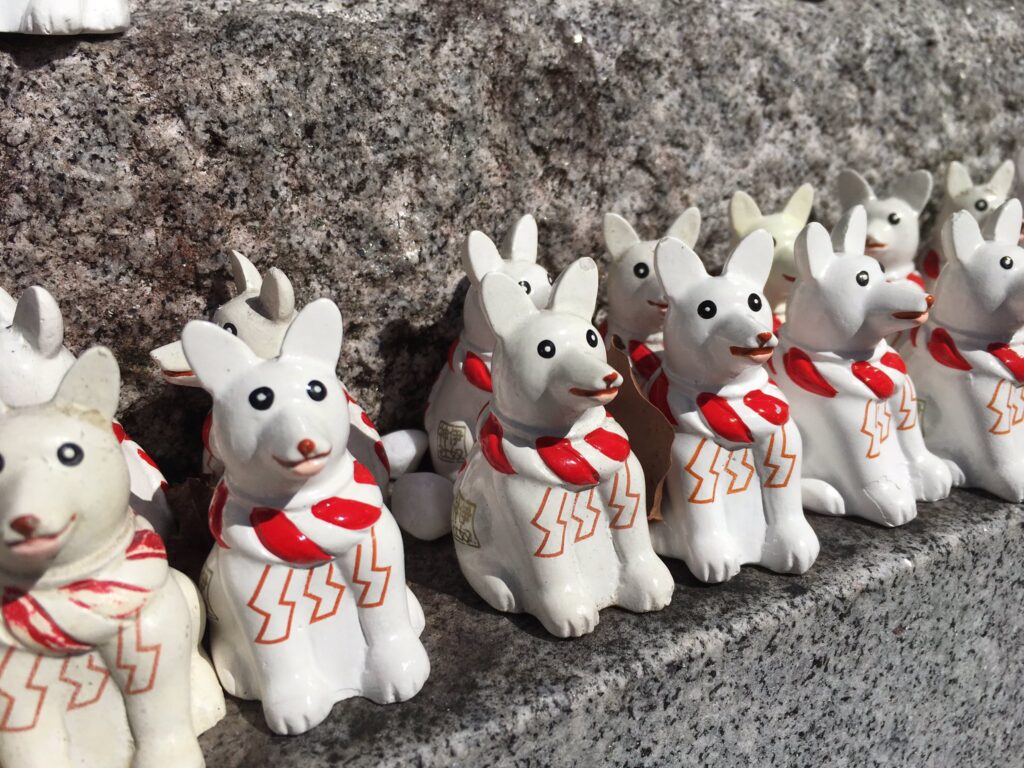
Visitors come to Inu Shrine for several traditional blessings.
Safe Childbirth
Safe childbirth is one of the shrine’s best-known associations. Expectant parents visit to pray for a safe delivery and the health of both mother and baby.
Fertility and Having Children
Couples may visit to pray for the blessing of having children. This tradition is closely connected to Inuhime-no-Kami.
Children’s Healthy Growth
Families can pray for the healthy development and well-being of their children.
Marital Harmony and Family Happiness
The shrine is also associated with harmony between couples and safety within the home.
Protection From Misfortune
The shrine’s origin legend links it to protection from flooding and other misfortunes. Visitors also pray for safety and good fortune in everyday life.
These are traditional religious beliefs and blessings, not guaranteed outcomes. Visitors of any background can appreciate the shrine as a cultural and historical site.
6. What Can You Do at Inu Shrine?
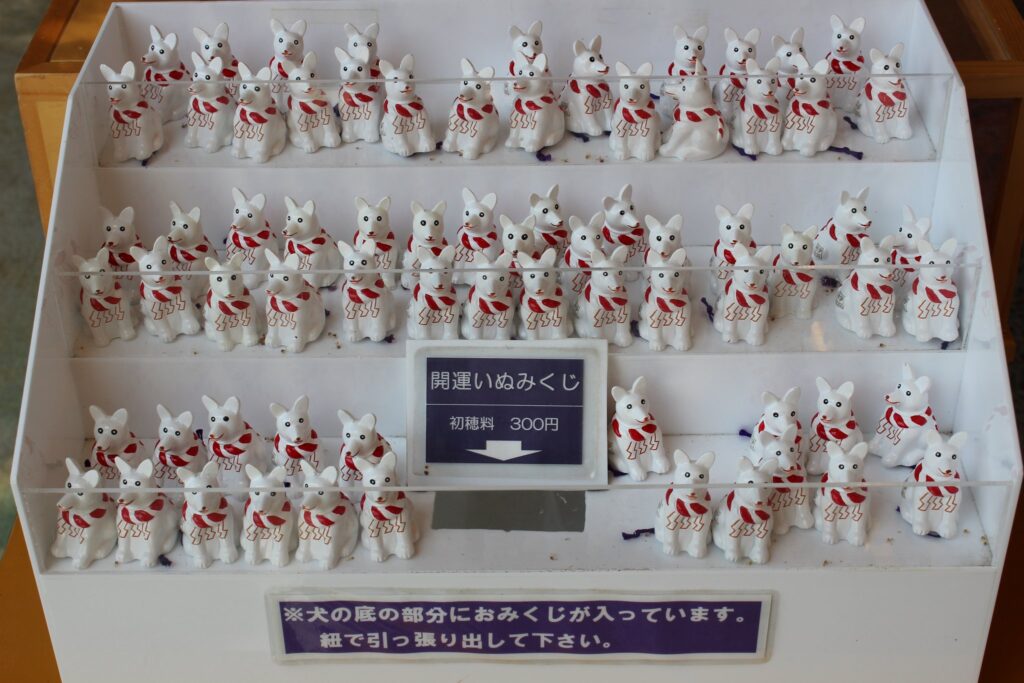
A visit to Inu Shrine offers more than an opportunity to see the dog statue.
See the Famous Dog Statue
The statue is the main highlight for many visitors. It provides a tangible connection to the shrine’s distinctive legend and its traditions surrounding safe childbirth.
Get a Dog-Themed Fortune
Japanese shrines often offer omikuji, or fortunes, which provide traditional messages about luck and different aspects of life.
Nagoya’s official tourism guide specifically recommends the Dog King fortune at Inu Shrine. Ask at the shrine office about current availability and fees.
Experience a Traditional Japanese Shrine
You can walk through the grounds, observe the architecture, and learn about local religious traditions.
Inu Shrine is an active place of worship, so keep noise to a minimum and be respectful of people praying.
7. Where Is Inu Shrine in Nagoya?
Inu Shrine is located in Nishi Ward, in western Nagoya.
Inu Shrine: Visitor Information
- Japanese name: 伊奴神社
- Address: 2-12 Inoucho, Nishi-ku, Nagoya, Aichi 451-0012, Japan
- Nearest subway station: Shonai-dori Station on the Tsurumai Subway Line
- Walking time: Approximately 10 minutes from Shonai-dori Station
- Parking: Free parking is available, with space for approximately 70 standard vehicles according to Aichi’s official tourism guide
- Official website: https://inu-jinjya.or.jp/
The address, access details, and parking information are listed by the official Aichi tourism website.
View Inu Shrine on Google Maps
How to Get to Inu Shrine
The subway is a convenient option for visitors traveling around Nagoya.
- Take the Nagoya Municipal Subway Tsurumai Line to Shonai-dori Station.
- Leave the station and walk for approximately 10 minutes.
- Use Google Maps to navigate to the shrine entrance.
If you’re traveling by car, check the route and current parking arrangements before departure.
Prayer Reception Hours
The official Aichi tourism guide lists the following prayer reception hours:
- Weekdays, except designated Dog Days (Inu no Hi): 9:15 AM–12:00 PM and 1:00 PM–4:00 PM
- Weekends, public holidays, and designated Dog Days: 9:15 AM–4:00 PM
Reception arrangements can change, so check the official Inu Shrine website before visiting. These are prayer reception hours, not necessarily the hours during which every part of the grounds is accessible.
8. How to Visit Inu Shrine Respectfully
If this is your first visit to a Shinto shrine in Japan, these customs can help you enjoy the experience.
- Bow at the torii gate: A small bow before entering is a common expression of respect.
- Follow the local worship procedure: At a typical Shinto shrine, visitors bow twice, clap twice, offer a silent prayer, and bow once more. Follow any instructions displayed at the shrine.
- Be considerate when taking photos: Avoid photographing people who are praying without permission and follow any posted restrictions.
- Keep the grounds clean: Do not leave rubbish or disturb ceremonies and other visitors.
You do not need to follow Shinto to visit. Visitors interested in Japanese history, architecture, and local traditions can appreciate the shrine respectfully.
9. Is Inu Shrine Worth Visiting?
Inu Shrine is worth considering if you want to discover a historic side of Nagoya beyond its major shopping areas and famous tourist attractions.
It is especially interesting for:
- Dog lovers interested in Japan’s cultural traditions
- Travelers exploring Nagoya’s historic shrines
- Visitors interested in Japanese mythology and local legends
- Couples and families interested in traditional prayers for childbirth and family well-being
- Travelers looking for lesser-known cultural attractions
However, Inu Shrine is a traditional place of worship rather than a large entertainment attraction. Most visitors can explore the main highlights in a relatively short time.
If you enjoy learning the stories behind Japanese landmarks, Inu Shrine offers an interesting glimpse into how local legends and religious traditions have shaped the identity of a community over more than a thousand years.
Frequently Asked Questions About Inu Shrine
When was Inu Shrine founded?
According to the shrine’s official history, Inu Shrine was founded in 673 AD, during the reign of Emperor Tenmu. Its establishment is traditionally associated with rice harvested locally and presented to the imperial court.
Why is Inu Shrine famous for dogs?
The shrine is associated with a local legend involving a sacred object containing a picture of a dog and the words “King of Dogs.” Its dog stone statue is also connected to traditional beliefs about safe childbirth.
What is Inu Shrine famous for?
Inu Shrine is best known for its dog stone statue, its traditional origin legend, and prayers for safe childbirth, fertility, and family happiness.
Is Inu Shrine dedicated to dogs?
Not exclusively. The shrine enshrines Susanoo-no-Mikoto, Otoshi-no-Kami, and Inuhime-no-Kami. Its connection to dogs comes from its traditional origin story and the association between dogs and safe childbirth.
Is Inu Shrine free to visit?
General visits to the shrine grounds are typically free. Special prayers, protective charms, and shrine stamps may involve fees. Confirm the current details with the shrine office.
How long should I spend at Inu Shrine?
Allow around 20–40 minutes to explore the grounds, see the dog statue, and pray. You may need more time if you plan to participate in a formal prayer or obtain a shrine stamp.
Is Inu Shrine near Nagoya Station?
It is not directly next to Nagoya Station. One convenient route is to take the Tsurumai Subway Line to Shonai-dori Station and walk approximately 10 minutes to the shrine.
Plan Your Visit to Inu Shrine
Inu Shrine is a historic Nagoya shrine with a distinctive dog statue and a legend that connects the local community’s history with traditional Japanese religious beliefs.
Founded in 673 AD according to its official history, the shrine remains associated with prayers for safe childbirth, fertility, family happiness, and protection from misfortune.
Whether you’re interested in Japanese mythology, traditional shrines, or unusual local attractions, Inu Shrine is worth considering during your visit to Nagoya.a beyond its main tourist attractions, consider adding Inu Shrine to your itinerary.
Useful Links
More from my site
 Takayama & Shirakawa-go Day Tour from Nagoya: The Ultimate Year-Round Guide
 Exploring Akiyoshido Cave: A Hidden Underground World in Yamaguchi, Japan
 Chiikawa Bakery Osaka: The Ultimate Guide for Visitors
 Is the Poké Ball Hotel Real? Location, How to Stay, & Campaign Rules Explained
 “So, It’s Flyday Flyday Chinatown…” Step Into City Pop World in Yokohama
 Complete Guide to SHIBUYA SKY Tokyo: Tickets, Rules & Best Time