
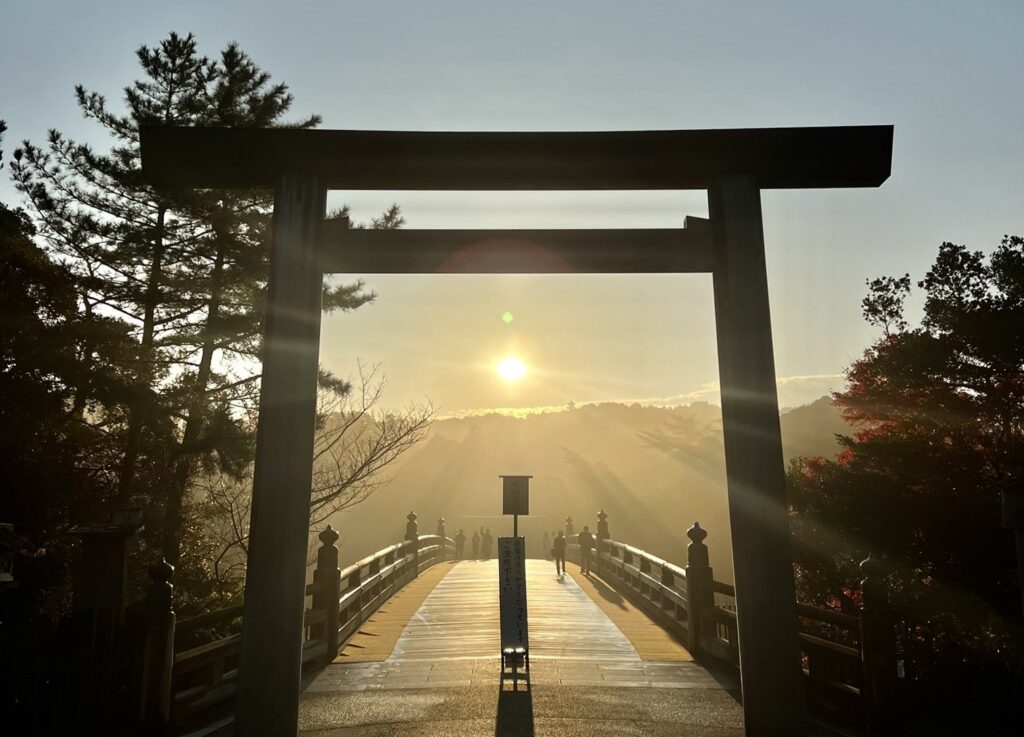
If you want to experience a different side of Japan beyond Tokyo, Kyoto, and Osaka, Ise Jingu and Okage Yokocho are worth adding to your itinerary.
Located in Ise, Mie Prefecture, Ise Jingu is one of the most important Shinto shrine complexes in Japan. It has been a place of worship for around 2,000 years and is deeply connected to Japanese history, Shinto, and the Imperial family.
Just outside Ise Jingu’s Inner Shrine, you will find Okage Yokocho, a charming historic-style street filled with traditional shops, restaurants, local food, souvenirs, and Japanese cultural experiences.
Together, they make one of the best places in Japan to combine spiritual culture, history, traditional architecture, and local food in a single visit.
What Is Ise Jingu?
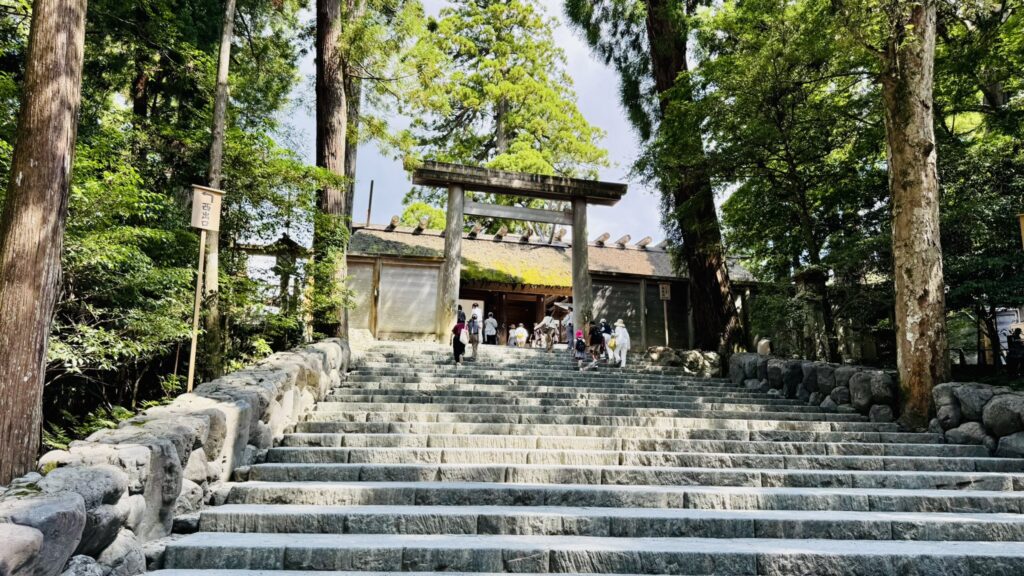
Ise Jingu (伊勢神宮) is a major Shinto shrine complex located in Ise City, Mie Prefecture.
Although it is commonly called Ise Jingu, its official name is simply “Jingu”, meaning “the Shrine.”
Ise Jingu is not just one shrine. The complex consists of 125 Shinto shrines, centered around two major shrines:
- Naiku (Inner Shrine / Kotaijingu)
- Geku (Outer Shrine / Toyo’uke-daijingu)
The two have different roles and enshrined deities.
The shrine complex is enormous, and more than 1,500 rituals are conducted there every year.
For many Japanese people, Ise Jingu is considered one of the country’s most sacred and significant places.
Why Is Ise Jingu So Famous?
There are several reasons Ise Jingu is so important.
1. It is dedicated to Amaterasu-Omikami
The Inner Shrine, Naiku, is dedicated to Amaterasu-Omikami, one of the most important kami in Shinto.
Amaterasu is traditionally regarded as the ancestral kami of the Imperial family and is often associated with the sun.
She is therefore central to the religious and historical traditions surrounding the Japanese Imperial family.
The main sanctuary of Naiku is considered the most venerable sanctuary at Ise Jingu.
Visitors cannot enter the innermost sacred area of the sanctuary. Instead, worshippers pray from outside the fences surrounding the main sanctuary.
2. Its history goes back around 2,000 years
According to the traditional history of Ise Jingu, Amaterasu-Omikami was enshrined at Ise approximately 2,000 years ago.
Geku, the Outer Shrine, was established approximately 1,500 years ago and is dedicated to Toyo’uke-no-Omikami.
Toyo’uke-no-Omikami is associated with food and is traditionally regarded as the kami responsible for providing sacred food for Amaterasu.
This long history is one of the reasons Ise Jingu is so significant in Japanese culture.
3. The buildings are rebuilt every 20 years
One of the most fascinating traditions at Ise Jingu is Shikinen Sengu.
Approximately every 20 years, the main sacred buildings are reconstructed and the sacred objects are transferred to the new buildings.
This tradition allows ancient architectural techniques and craftsmanship to be passed from one generation to the next.
The next Shikinen Sengu is scheduled for 2033.
For visitors, this means that Ise Jingu is not simply a collection of ancient buildings. It represents a tradition that has been continuously maintained and renewed for centuries.
Naiku vs. Geku: What’s the Difference?
One of the most common questions for first-time visitors is:
“What is the difference between Naiku and Geku?”
The simple answer is:
| Shrine | English name | Main deity | Main significance |
|---|---|---|---|
| Naiku | Inner Shrine | Amaterasu-Omikami | The central sacred site of Ise Jingu |
| Geku | Outer Shrine | Toyo’uke-no-Omikami | Food, clothing and shelter; provides sacred food |
Naiku and Geku are separate shrine areas, so visiting both requires some travel between them.
If you have enough time, visiting both gives you a much better understanding of Ise Jingu.
What Should You See at Ise Jingu?
Uji Bridge
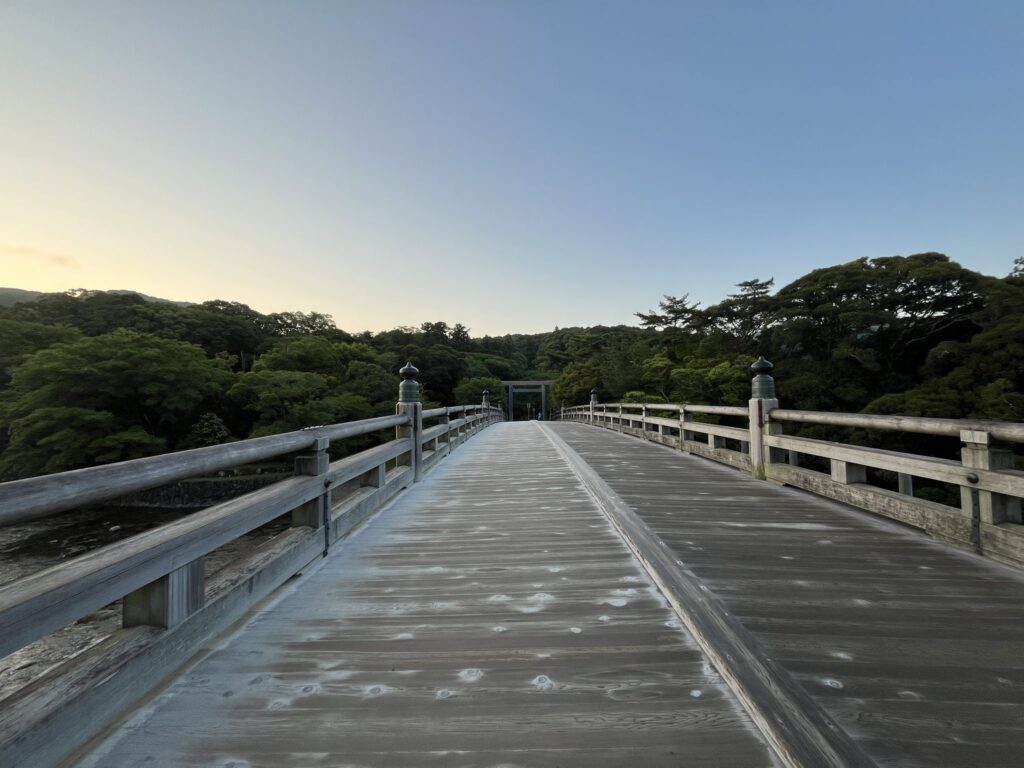
One of the most recognizable sights at Naiku is Uji Bridge.
The bridge crosses the Isuzu River and marks the entrance to the sacred area of the Inner Shrine.
It is traditionally regarded as a boundary between the ordinary world and the sacred realm.
Crossing Uji Bridge is therefore more than simply entering a tourist attraction—it marks the beginning of your visit to the sacred precinct.
The Isuzu River
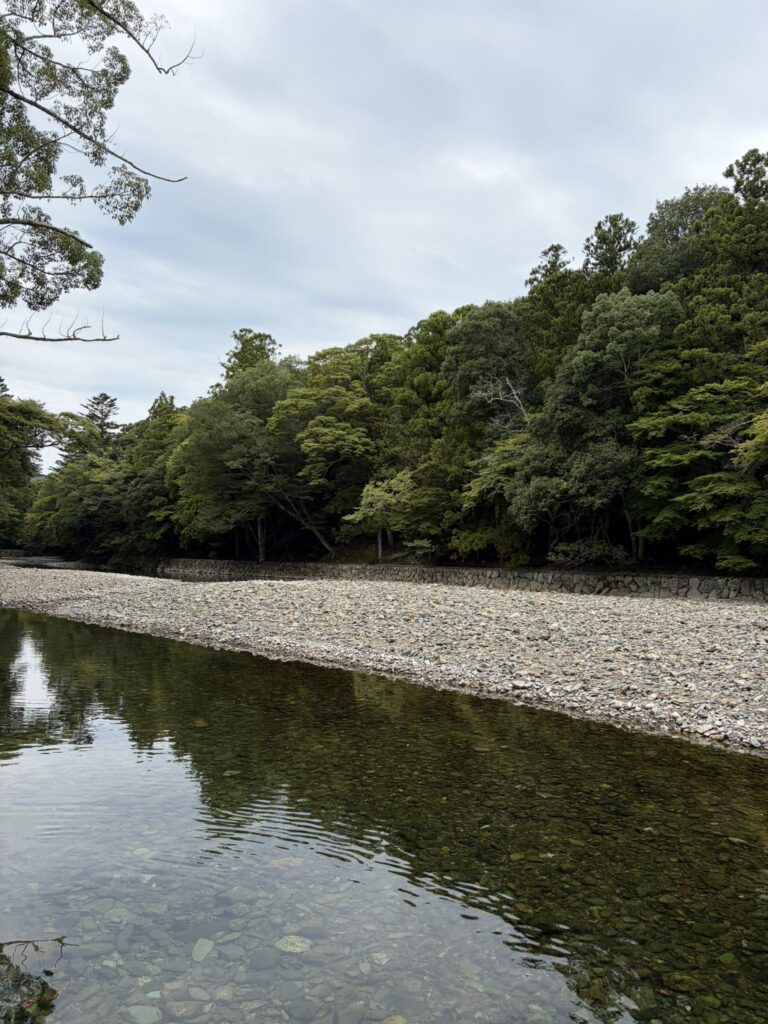
The Isuzu River runs through the Naiku area.
Before approaching the main sanctuary, visitors can experience the peaceful natural surroundings of the shrine.
The combination of ancient trees, the river, gravel paths, and traditional shrine architecture creates an atmosphere very different from busy urban Japan.
The Main Sanctuary
The most important destination inside Naiku is the main sanctuary dedicated to Amaterasu-Omikami.
The sanctuary itself is largely hidden behind fences and a curtain, so visitors cannot see the innermost sacred area.
This is an important difference between Ise Jingu and many famous tourist attractions in Japan: the experience is not about seeing an elaborate building from inside.
Instead, the atmosphere, rituals, natural surroundings, and act of worship are an important part of the experience.
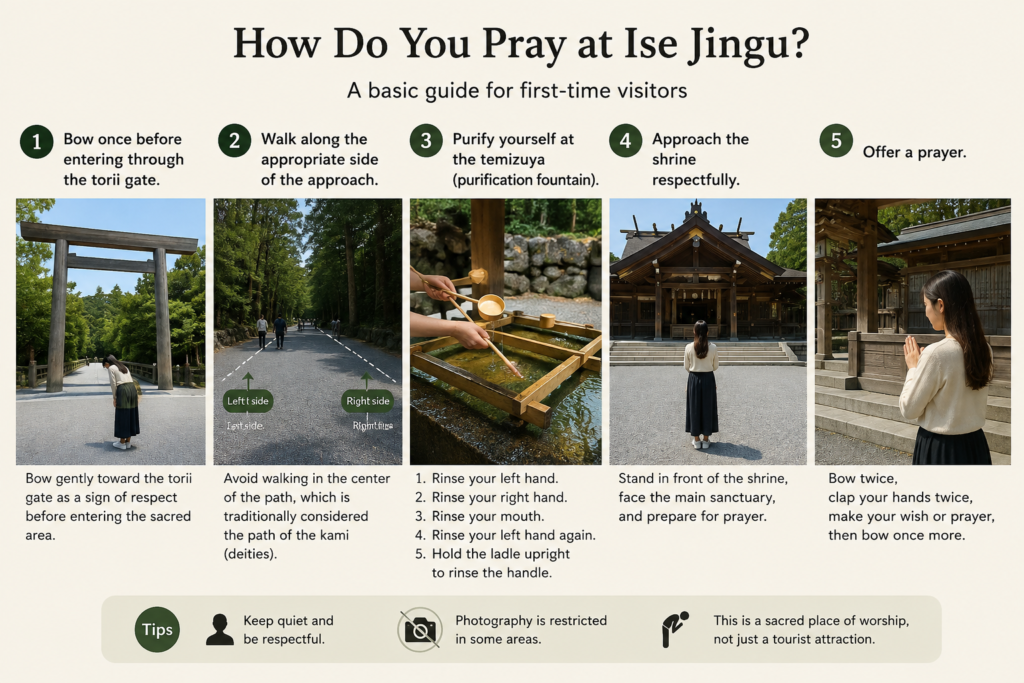
How Do You Pray at Ise Jingu?
If this is your first visit to a Japanese Shinto shrine, you may wonder what to do.
A basic shrine visit generally involves:
- Bow once before entering through the torii gate.
- Walk along the appropriate side of the approach rather than the center, which is traditionally considered the path of the kami.
- Purify yourself at the temizuya (purification fountain).
- Approach the shrine respectfully.
- Offer a prayer.
You do not need to be Shinto to visit Ise Jingu.
Visitors from around the world are welcome, but it is important to remember that Ise Jingu is an active religious site rather than simply a sightseeing attraction.
What Is Okage Yokocho?
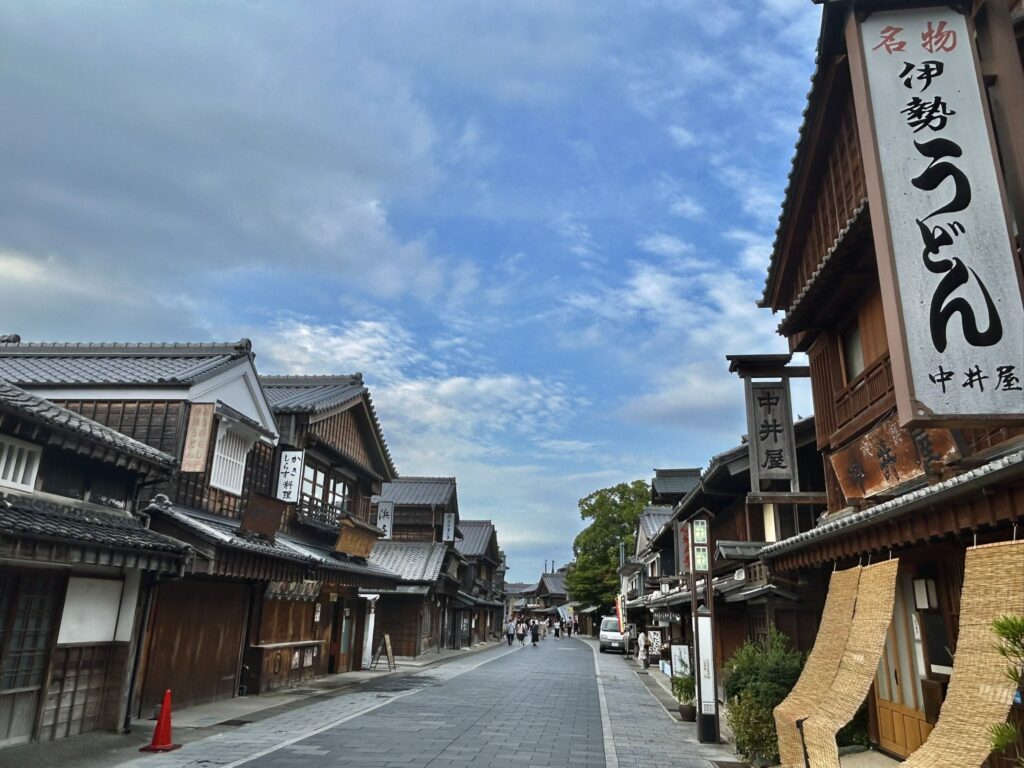
After visiting Naiku, one of the best places to explore is Okage Yokocho.
Okage Yokocho (おかげ横丁) is a historic-style shopping and dining district located in the Oharai-machi area directly in front of Ise Jingu’s Inner Shrine.
The name comes from:
- Okage = gratitude / thanks
- Yokocho = a small traditional side street or alley
Okage Yokocho officially opened in 1993, during the 61st Shikinen Sengu.
The area recreates the atmosphere of traditional streets from Japan’s Edo and Meiji periods.
Okage Yokocho vs. Oharai-machi: What’s the Difference?
This can be confusing for international visitors.
Oharai-machi is the larger historic street running in front of Ise Jingu’s Naiku.
It stretches for approximately 800 meters and contains many restaurants, souvenir shops, and traditional buildings.
Okage Yokocho is a specific area located roughly in the middle of Oharai-machi.
In other words:
Ise Jingu → Oharai-machi → Okage Yokocho
They are next to each other and are normally explored as one walking area.
What Can You Do at Okage Yokocho?
Okage Yokocho is especially popular because it adds a completely different experience to your Ise Jingu visit.
Instead of only visiting a shrine, you can spend time eating, shopping, and experiencing traditional Japanese culture.
Try Ise Udon
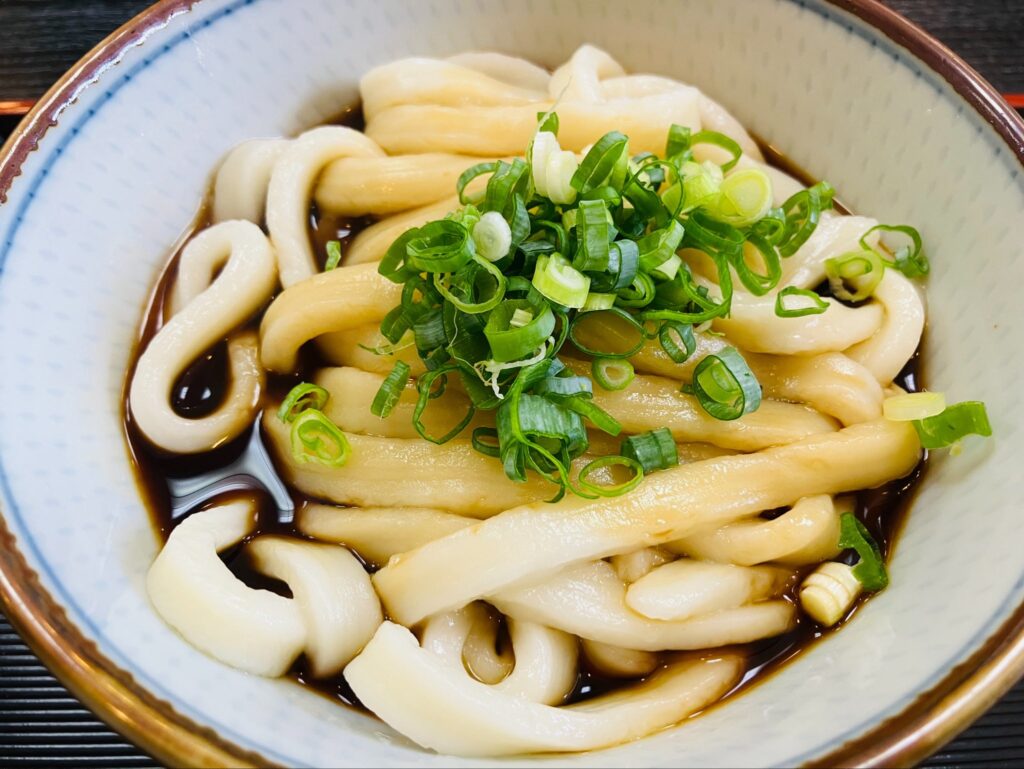
One of the foods you should try in Ise is Ise Udon.
Ise Udon uses unusually thick, soft noodles and a dark, sweet soy-based sauce.
Unlike many types of Japanese udon, the noodles are extremely soft rather than firm.
It is a simple but distinctive local specialty that has traditionally been enjoyed by pilgrims visiting Ise.
Try Local Japanese Sweets
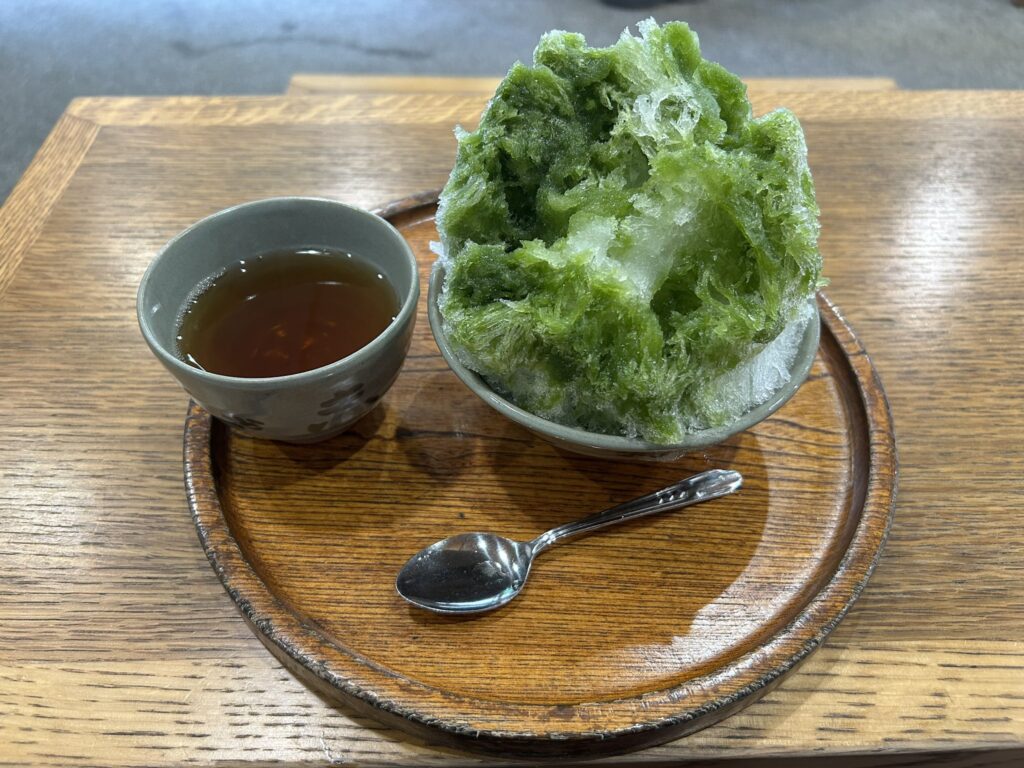
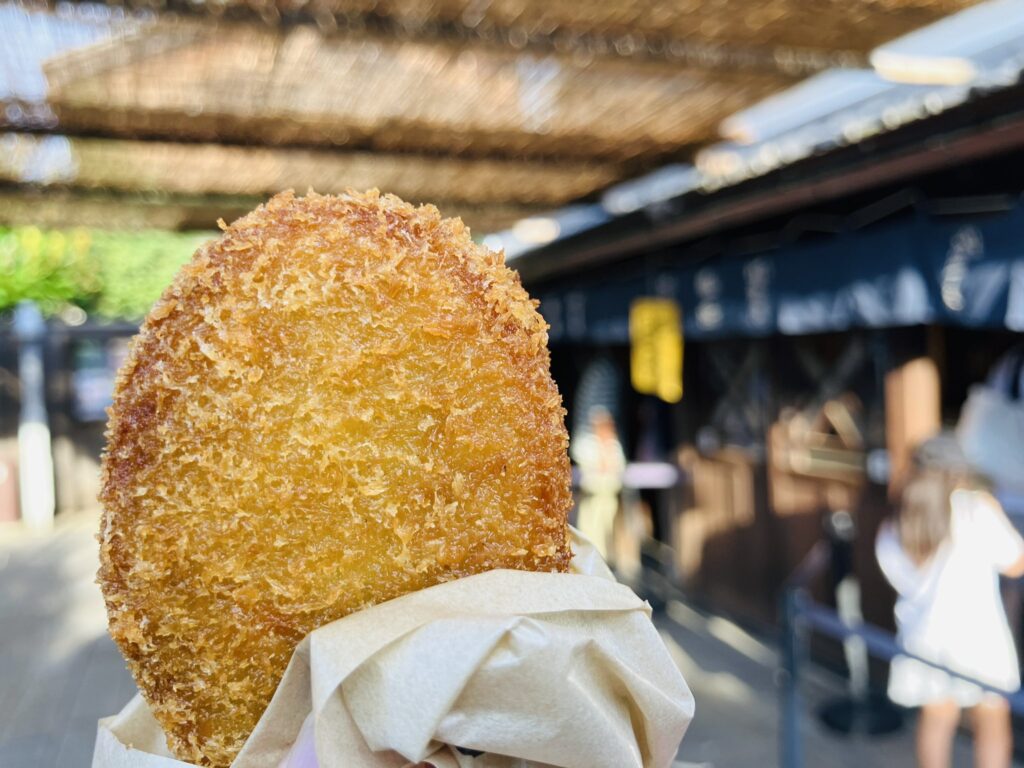
Okage Yokocho and Oharai-machi are also great places to try Japanese sweets and snacks while walking.
Instead of sitting down for a full meal, you can easily turn the area into a food walk, sampling different local specialties as you explore.
This makes the area particularly enjoyable after visiting the shrine.
Shop for Japanese Souvenirs
You will find many shops selling:
- Traditional Japanese sweets
- Local food products
- Japanese crafts
- Ise-related souvenirs
- Traditional goods
- Small gifts
If you want to bring something back from your trip to Japan that feels more local than a typical airport souvenir, Okage Yokocho is a good place to look.
Experience Traditional Japanese Culture
Okage Yokocho is not only about shopping.
Traditional cultural performances and experiences are also available, including Japanese drum performances and traditional picture storytelling.
The historic architecture and streetscape also make the area a great place for photography.
Why Should You Visit Ise Jingu and Okage Yokocho Together?
The biggest advantage is that the two places complement each other.
Ise Jingu
History + spirituality + nature + Japanese culture
Okage Yokocho
Food + shopping + traditional streets + local culture
Visiting only Ise Jingu gives you an important cultural experience, while adding Okage Yokocho makes the trip more relaxed and enjoyable for travelers who want to experience everyday aspects of Japanese food and shopping.
For many visitors, the ideal experience is:
Visit Ise Jingu → Explore Oharai-machi → Eat at Okage Yokocho → Buy souvenirs → Enjoy the historic streets
How Much Time Do You Need?
For a first visit, I recommend allowing at least half a day for the Ise Jingu and Okage Yokocho area.
A comfortable itinerary could look like this:
Morning
Geku
Spend time exploring the Outer Shrine before heading toward Naiku.
Late Morning
Naiku
Cross Uji Bridge, walk through the shrine grounds, and visit the main sanctuary.
Afternoon
Oharai-machi & Okage Yokocho
Have lunch, try Ise Udon and local sweets, shop for souvenirs, and explore the traditional streets.
If you have more time, you can spend most of a day in Ise rather than rushing between the different areas.
When Is the Best Time to Visit Ise Jingu?
Ise Jingu is popular throughout the year.
If you want a quieter experience, early morning is generally a good choice.
Naiku’s visiting hours vary by season. The current official schedule is:
- January–April: 5:00 AM–6:00 PM
- May–August: 5:00 AM–7:00 PM
- September: 5:00 AM–6:00 PM
- October–December: 5:00 AM–5:00 PM
Okage Yokocho has different operating hours from Ise Jingu. Its official English information currently lists 9:30 AM–5:30 PM, with longer hours in August and September and shorter hours from November through February. Individual shops and restaurants may have different hours.
Tip: If you want to experience both the peaceful atmosphere of Ise Jingu and the food and shopping of Okage Yokocho, starting at the shrine in the morning works well.
How to Get to Ise Jingu
Ise is located in Mie Prefecture, between the major cities of Nagoya, Kyoto, and Osaka.
For Naiku, the easiest destination to remember is:
Naiku-mae bus stop
From JR or Kintetsu Ise-shi Station, buses to the Naiku area take approximately 20 minutes.
The Naiku area, Oharai-machi, and Okage Yokocho are all within walking distance of each other.
Ise Jingu & Okage Yokocho: Practical Tips for Foreign Travelers
1. Wear comfortable shoes
The shrine grounds are large and involve considerable walking.
You will also want to explore the streets around Oharai-machi and Okage Yokocho, so comfortable shoes are recommended.
2. Treat Ise Jingu as a religious site
Remember that Ise Jingu is an active Shinto sanctuary.
Keep your voice down, follow signs and staff instructions, and be respectful when other visitors are praying.
3. Don’t expect a typical tourist attraction
The main sanctuary cannot be entered, and photography restrictions apply around the most sacred areas.
The appeal of Ise Jingu is the atmosphere, history, nature, architecture, and spiritual significance, rather than simply seeing a spectacular building.
4. Leave time for Okage Yokocho
Don’t rush away immediately after visiting the shrine.
The historic streets around Naiku are an important part of the Ise experience.
Is Ise Jingu Worth Visiting?
Yes—especially if you are interested in Japanese culture, history, religion, traditional architecture, or local food.
Ise Jingu offers something that is difficult to find in Tokyo, Osaka, or Kyoto: an opportunity to experience one of the most important living traditions of Japanese Shinto in its historical setting.
And Okage Yokocho makes the experience much more accessible to first-time visitors by adding food, shopping, traditional streets, and cultural experiences.
If you are traveling through central Japan, Ise Jingu and Okage Yokocho are an excellent destination for experiencing a more traditional side of Japan.
Quick Answer: Ise Jingu & Okage Yokocho
What is Ise Jingu?
Ise Jingu is a major Shinto shrine complex in Ise, Mie Prefecture, consisting of 125 shrines centered around Naiku and Geku. Naiku is dedicated to Amaterasu-Omikami.
Why is Ise Jingu famous?
It is one of the most sacred and historically significant Shinto sites in Japan, with traditions dating back approximately 2,000 years.
What is Okage Yokocho?
Okage Yokocho is a historic-style shopping and dining district near Ise Jingu’s Inner Shrine, featuring traditional buildings, restaurants, souvenir shops, and cultural experiences.
What should I eat at Okage Yokocho?
Ise Udon is one of the area’s signature local foods. You can also enjoy Japanese sweets, snacks, and other local specialties.
How long should I spend there?
At least half a day is recommended if you want to visit Ise Jingu and properly explore Oharai-machi and Okage Yokocho.
Can foreign tourists visit Ise Jingu?
Yes. Visitors of all backgrounds can visit, but remember that Ise Jingu is an active religious site and should be treated respectfully.
Final Takeaway
Ise Jingu is where you experience the spiritual and historical side of Japan. Okage Yokocho is where you experience its food, streets, shopping, and local culture.
Visiting both together gives you a much more complete picture of Ise—and makes for an excellent day trip for international travelers looking for something beyond Japan’s biggest cities.
If you are planning a trip to central Japan, put Ise Jingu and Okage Yokocho on your list.
Aichi Airport Alcoholic beverage Anime Anime pilgrimage April Architecture August Autumn Building Capital Area Cherry blossom Convenience store February Flower January Japanese food kanto Kinki Kyoto March May Nagoya Nature Nightlife Night view Osaka Photogenic Pink Sakura Shopping Shrine Souvenir Spring Station Summer Superb view Temple Tips Tokai Tokyo Traffic train White Winter

More from my site
 10 Best Things to Do in Nagoya, Aichi
 What Is the Best Coin for Osaisen? A Simple Guide for Visitors
 Toyosu Senkyaku Banrai Guide: Tokyo’s New Must-Visit Food Spot
 Chiikawa Bakery Osaka: The Ultimate Guide for Visitors
 Why Buy Chopsticks in Japan? The Ultimate Functional Souvenir
 Nagoya’s Cutest New Icon: “Piyorin Village” Opens at Nagoya Station!