
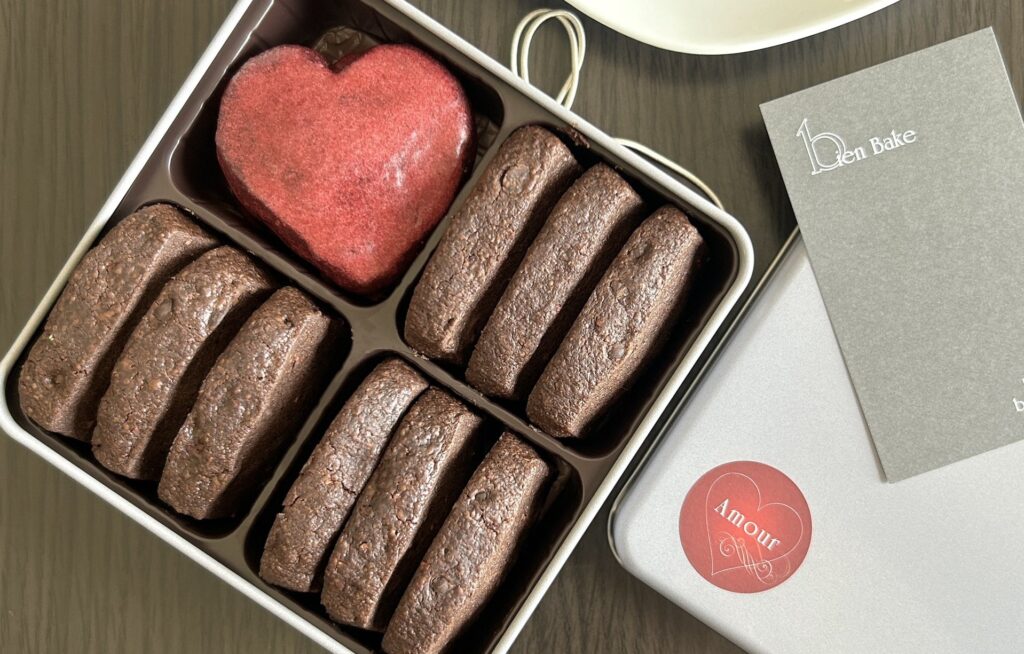
Valentine’s Day in Japan is very different from how it is celebrated in many other countries. While February 14th is widely known as a romantic day around the world, Japan has developed its own unique Valentine’s culture—one that often surprises first-time visitors.
What Is Valentine’s Day in Japan?
In Japan, Valentine’s Day is primarily the day when women give chocolate to men.
This tradition began in the mid-20th century, influenced by marketing campaigns from confectionery companies, and has since become deeply rooted in Japanese society. Today, Valentine’s Day is not only about romance but also about social relationships, etiquette, and unspoken signals.
How Is It Different from Valentine’s Day in Other Countries?
In many Western countries:
- Men and women exchange gifts
- Flowers, cards, and dinners are common
- Couples celebrate together
In Japan:
- Women usually give chocolate
- Men receive chocolate
- Chocolate has different meanings depending on who it is given to
- The return gift comes later, on White Day (March 14th)
Different Types of Valentine’s Chocolate in Japan
Not all Valentine’s chocolate means the same thing. In fact, the type of chocolate reflects the relationship.
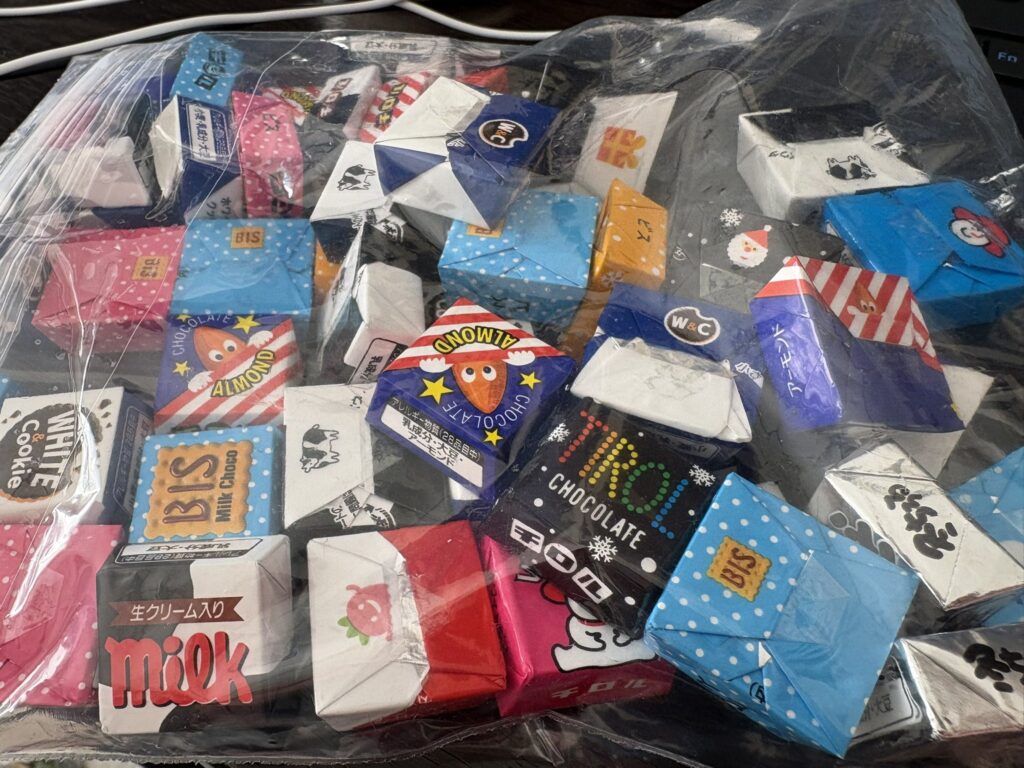
🍫 Giri-choco (義理チョコ) – Obligation Chocolate
This is chocolate given to:
- Coworkers
- Classmates
- Bosses or male friends
It does not mean romantic interest. It is more about politeness and maintaining smooth social relationships.
🍫 Honmei-choco (本命チョコ) – True Feelings Chocolate
This chocolate is given to:
- Someone you like
- A romantic interest
- A boyfriend or husband
This carries a strong emotional meaning. Receiving honmei-choco usually means “you are special to me.”

🍫 Chocolate for a Lover
For couples, Valentine’s Day is a way to express love and appreciation, often with higher-quality or handmade chocolate.
Does Giving or Receiving Chocolate Mean Something?
In Japan, giving or receiving chocolate implies some kind of relationship, even if it is not romantic.
That’s why Valentine’s Day can feel surprisingly serious:
- Who you give chocolate to
- Who gives chocolate to you
Both can be quietly analyzed.
What About Dating on Valentine’s Day?
Valentine’s Day is considered a special and meaningful day in Japan.
- If you are invited on a date on Valentine’s Day, the other person may have romantic interest.
- If you invite someone on a date on Valentine’s Day, they might assume you have feelings for them.
Because of this, many people think carefully before asking someone out on February 14th.
A Growing Trend: Friend Chocolate and Self-Chocolate
In recent years, Valentine’s Day in Japan has been changing.
🍫 Tomo-choco (友チョコ) – Friend Chocolate
Chocolate exchanged between friends, especially among women, to celebrate friendship.
🍫 Jibun-choco (自分チョコ) – Chocolate for Yourself
Many people now buy luxury chocolate for themselves as a reward. High-end chocolate brands become especially popular during this season.
Valentine’s Day in Japan Today
Today, Valentine’s Day in Japan is:
- A mix of romance, social customs, and personal choice
- A day filled with chocolate shops, limited editions, and beautiful packaging
- A cultural event that goes far beyond simple gift-giving
Understanding this unique tradition helps visitors better read the atmosphere—and avoid misunderstandings—when experiencing Valentine’s Day in Japan.
Aichi Airport Alcoholic beverage Anime Anime pilgrimage April Architecture August Autumn Building Capital Area Cherry blossom Convenience store February Flower January Japanese food kanto Kinki Kyoto March May Nagoya Nature Nightlife Night view Osaka Photogenic Pink Sakura Shopping Shrine Souvenir Spring Station Summer Superb view Temple Tips Tokai Tokyo Traffic train White Winter

More from my site
 Complete Guide to Nagoya’s Best Valentine Chocolate Events 2026
 Osaka Valentine’s Day Chocolate Events 2026: Complete Guide
 Tokyo Valentine’s Day Chocolate Events 2026: Complete Guide
 Got Chocolate on Valentine’s Day in Japan? White Day Explained
 Banana Record Japan: A Guide to Used Vinyl & CDs
 Chiikawa Bakery Osaka: The Ultimate Guide for Visitors