
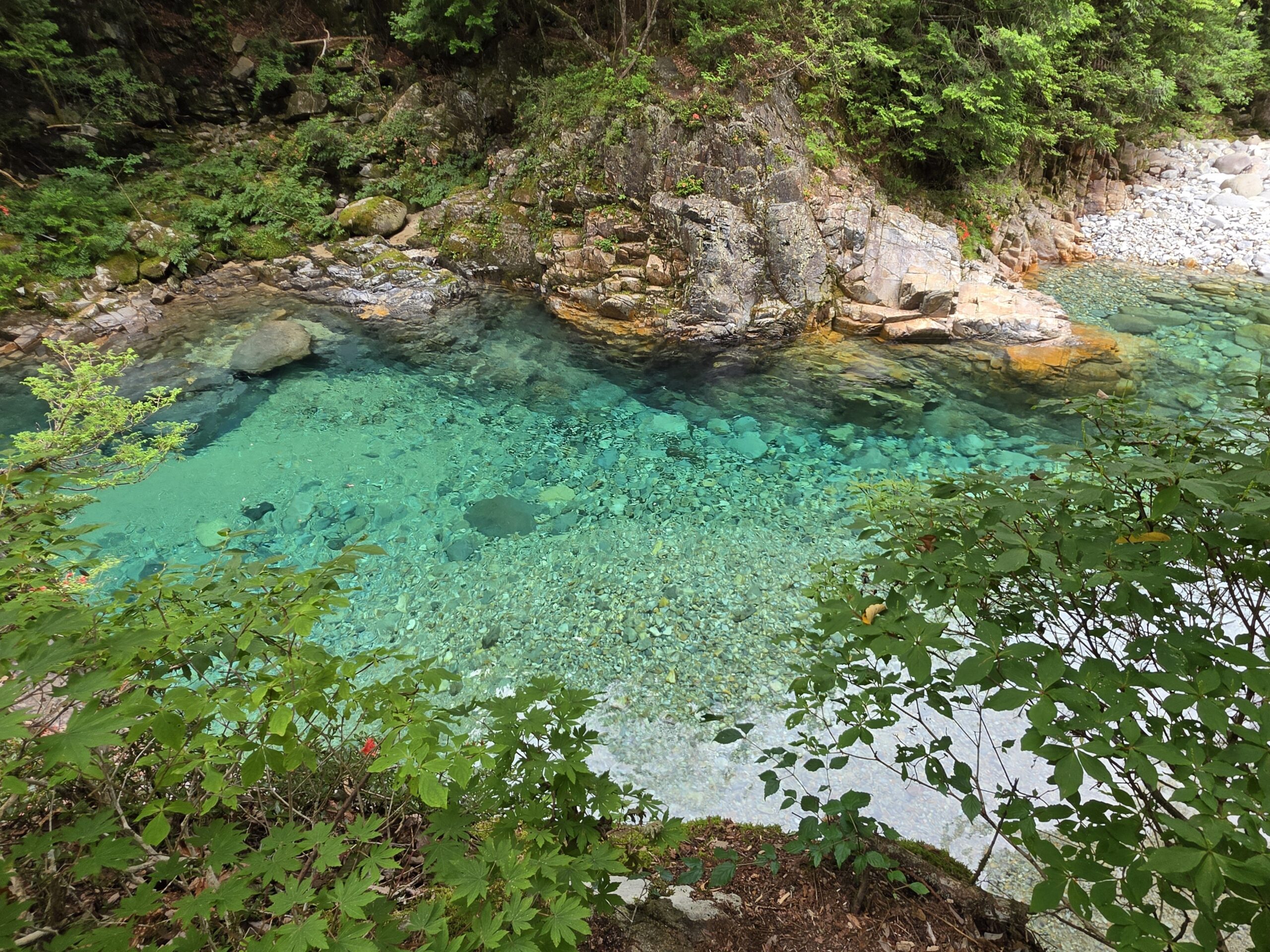
When traveling through Japan’s breathtaking countryside, stopping by a crystal-clear mountain river looks like the ultimate summer paradise. Whether it is barbecuing on the gravel banks, cooling off during a hike, or camping under the stars, river outings are a cherished seasonal pastime. However, Japanese rivers carry severe hidden hazards that catch many international visitors off guard every single year.
Before you dip your feet into the refreshing waters, here is what you need to know about the unseen risks of rivers in Japan and how to stay completely safe.
1. The Numbers: Ocean vs. River Accidents in Japan
When thinking of water safety, most travelers immediately worry about ocean waves and rip currents. While official statistics show that a higher total number of water incidents occur in the sea, rivers in Japan carry a significantly higher mortality rate, particularly for casual swimmers and children.
- Ocean: Accounts for ~50% – 55% of total incidents. Child fatality rate is lower (~28%). Primary hazards include rip currents, high waves, and offshore winds.
- River / Lake: Accounts for ~30% – 35% of total incidents. Child fatality rate is critical (~60%). Primary hazards include rapid flow, flash floods, low buoyancy, and hidden drops.
Saltwater in the ocean provides natural buoyancy, and popular public beaches often feature lifeguards, designated swimming zones, and gentle slopes. In contrast, rivers offer no natural lift, lack supervision, and hide fast-moving underwater currents beneath deceptively glass-like surfaces.
2. Four Reasons Why Japanese Rivers Are Uniquely Dangerous
Reason 1: Extreme Steepness and Rapid Flow
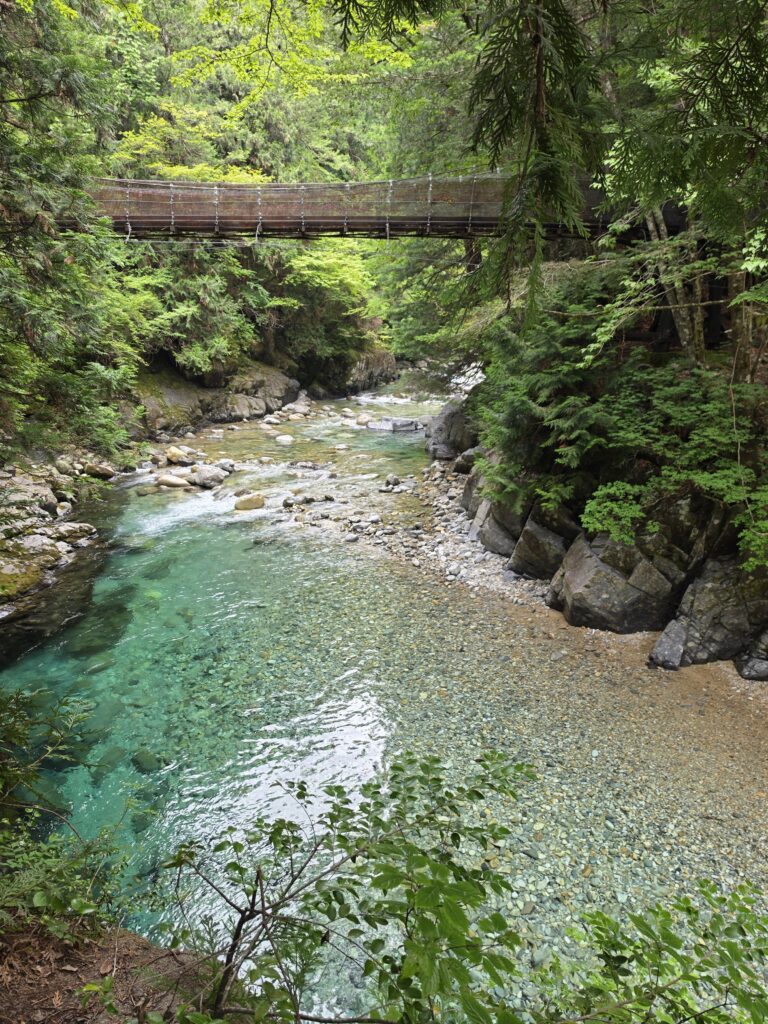
Geographically, Japan is a narrow, highly mountainous island chain. Unlike the long, sprawling, and flat river basins found across continental Europe or North America, Japanese rivers act almost like steep mountain slides. Water flows down from high peaks to the coastline over very short distances.
As a result, rainfall in distant mountains can trigger intense flash floods downstream within minutes rather than hours. Even if the sky directly above you is clear and sunny, heavy rain miles upstream can transform a peaceful stream into a raging, muddy torrent without warning.
Reason 2: Freshwater Lacks Buoyancy
Floating in a freshwater river requires substantially more physical effort than floating in the ocean. Saltwater increases water density, making it easier for the human body to stay afloat. In a river, without active swimming or floating gear, your body naturally sinks much faster—leading to rapid physical exertion and panic.
Reason 3: Hidden Drops and Circular Currents (“Hydraulics”)
Riverbeds are highly uneven and unstable. A knee-deep area can suddenly drop off into a 3-to-4-meter-deep pool within a single step. Furthermore, underwater obstacles like submerged rocks, fallen trees, and small artificial dams create powerful downward and swirling currents (often called “hydraulics” or “re-circulating eddies”) that can trap even experienced swimmers under water.
Reason 4: Freezing Water Temperatures
Most rivers in Japan are fed by high-mountain runoff, forest springs, and melting snowpacks. Even on a scorching 35°C (95°F) midsummer day, river water temperatures can remain dangerously low. Entering cold water too quickly can trigger cold shock, muscle cramps, or rapid hypothermia, rendering you unable to swim back to shore.
⚠️ Early Warning Signs of Flash Floods
If you notice any of the following signs while near a river, evacuate to higher ground immediately:
- The river water suddenly turns brown, muddy, or murky.
- Floating debris, such as twigs, leaves, or foam, suddenly increases.
- You hear a faint, low rumbling sound coming from upstream.
- The water level begins to rise, even by a few centimeters.
3. Golden Safety Rules for River Visitors
Follow these four simple precautions to make your river adventure safe and enjoyable:
- Always Wear a Properly Fitted Life Jacket: Even if you are a confident swimmer, a life jacket provides vital buoyancy and thermal insulation if you are swept away.
- Wear Secure Water Shoes: Flip-flops and sandals wash away easily. Trying to chase a lost shoe in a river is a leading cause of accidental drownings. Wear closed-toe river shoes with grip.
- Monitor Mountain Weather Forecasts: Check weather radar for the entire river basin, not just your local town. If rain is forecasted upstream, stay out of the river channel.
- Avoid Alcohol Near the Water: Swimming or wading after drinking alcohol dramatically increases drowning risks due to impaired coordination and reduced cold tolerance.
Japan’s natural river valleys offer breathtaking scenery and incredible summer experiences. By understanding these geographical risks and preparing properly, you can enjoy the beauty of Japanese nature safely!rstanding these geographical risks and preparing properly, you can enjoy the beauty of Japanese nature safely!
More from my site
 Is Biei Blue Pond Really Blue? The Truth & Guide
 Is it Safe to Hike in Japan? What You Need to Know About the Recent Bear Surge
 Ine Funaya Guide: How to Visit Kyoto’s Scenic Boat Village
 The Ultimate Guide to Emerald Sea at Tsunoshima Ohashi (角島大橋) in Yamaguchi, Japan
 Yamadera (Risshaku-ji Temple): A Complete Guide to Yamagata’s Mountain Temple
 Torii in the Sky at Kuratake Shrine: Amakusa’s Hidden Viewpoint