
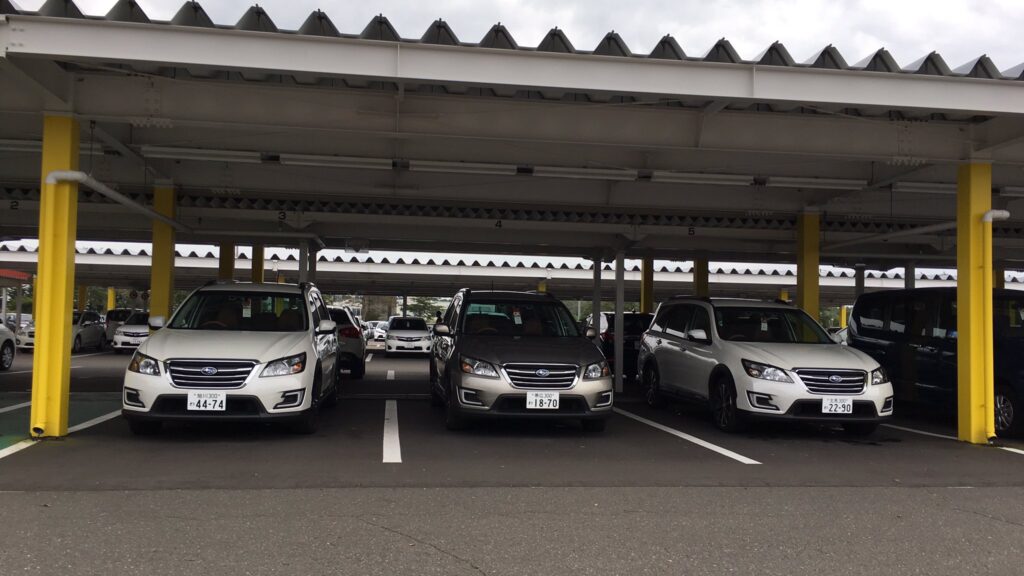
Japan has an excellent public transportation system, but renting a car can be a great option if you want to explore rural areas, remote attractions, islands, or places that are difficult to reach by train.
But can foreign visitors actually rent and drive a car in Japan?
Yes, they can. However, you need the correct driving documents before you can rent a car.
This guide explains everything you need to know about renting a car in Japan as a foreign traveler, including required documents, international driving permits, insurance, and important tips.
Can Foreign Tourists Rent a Car in Japan?
Yes. Foreign tourists can rent a car in Japan as long as they have a valid document that allows them to legally drive in Japan.
Major rental car companies in Japan regularly serve international visitors, especially at airports, major train stations, and tourist destinations.
However, having a driver’s license from your home country does not automatically mean you can drive in Japan.
The documents you need depend on the country or region that issued your driver’s license.

What Documents Do You Need to Rent a Car in Japan?
In general, you should prepare:
- A valid driver’s license
- An International Driving Permit (IDP), if required
- Your original foreign driver’s license, if required
- Your passport
- Your rental car reservation information
- A payment card
The most important thing is your driving authorization.
There are two main situations.
1. You Have an International Driving Permit
For many foreign visitors, the easiest option is to obtain an International Driving Permit (IDP) in their home country before traveling to Japan.
However, there is an important detail:
Japan recognizes International Driving Permits issued under the 1949 Geneva Convention.
An IDP issued under the 1968 Vienna Convention is not valid for driving in Japan, even though it may be valid in many other countries.
So, don’t simply ask for an “international driver’s license.”
Make sure your permit is specifically valid for Japan under the 1949 Geneva Convention.
Important
You should bring:
- Your original International Driving Permit
- Your original driver’s license
- Your passport
The rental company may check your documents before handing over the car.
2. Your Country Uses a Japanese Translation System
Drivers from certain countries and regions can drive in Japan using their original driver’s license together with an official Japanese translation.
This currently applies to licenses issued in:
- Switzerland
- Germany
- France
- Belgium
- Monaco
- Taiwan
The Japanese translation must be issued by an authorized organization, such as JAF or the relevant embassy/consulate depending on the case.
You must carry the original driver’s license together with the Japanese translation when driving.
The driving authorization is generally valid for up to one year from the date of entry into Japan, subject to the applicable rules.
What About a Japanese Translation of Your Driver’s License?
This is one of the most common points of confusion.
A Japanese translation is not a general replacement for an International Driving Permit.
If your license was issued in a country such as the United States, Canada, the United Kingdom, Australia, or many other countries, you generally need to use the appropriate 1949 Geneva Convention International Driving Permit rather than simply translating your license.
For Switzerland, Germany, France, Belgium, Monaco, and Taiwan, the Japanese translation system can be used instead.
Do You Need Your Passport?
Yes, you should bring your passport.
Even if the rental company does not always need to keep it, your passport is an important document for confirming your identity and your entry date into Japan.
Your entry date can also be relevant to determining how long you are legally permitted to drive in Japan.
JAF notes that police officers may ask foreign drivers to show their passport to confirm their date of entry into Japan.
So, when driving in Japan, it is a good idea to keep your passport with you.
What Should You Bring to the Rental Car Counter?
To avoid problems, prepare everything before arriving.
Recommended checklist
☑ Original driver’s license
☑ Valid 1949 Geneva Convention International Driving Permit, if required
☑ Original Japanese translation, if applicable
☑ Passport
☑ Rental reservation confirmation
☑ Credit/debit card
☑ Contact information for your accommodation
It is much better to have all of your documents ready than to discover at the counter that one document is missing.
Do You Need a Credit Card?
A payment card is strongly recommended.
Rental companies may require a credit card for the rental payment, deposit, or other charges.
The exact payment methods vary by rental company and location, so check the rental company’s conditions before making your reservation.
If you are traveling with someone else who will also drive, make sure to tell the rental company in advance.
Can Someone Else Drive the Rental Car?
Yes, but you should register every driver with the rental company.
Don’t assume that a friend or travel companion can simply take over the wheel.
The additional driver must meet the company’s requirements and have the appropriate documents.
For example, Nippon Rent-A-Car states that all drivers must be declared at the time of rental when using its CDW system.
This is especially important because insurance and protection coverage can be affected if an unauthorized person drives the vehicle.
What Insurance Do You Need?
Insurance is one of the most important things to understand before renting a car in Japan.
Rental car prices normally include basic insurance coverage, but basic insurance does not necessarily mean you will pay nothing after an accident.
There can be deductibles and additional charges.
For example, Toyota Rent a Car includes basic insurance coverage in its rental fees and offers additional protection options.
What Is CDW?
You may see an option called:
CDW = Collision Damage Waiver
CDW generally reduces or eliminates the deductible you would otherwise have to pay for vehicle damage or property damage, depending on the rental company’s terms.
For example, Nippon Rent-A-Car explains that its CDW can waive the deductible for vehicle and property damage.
For international visitors who are unfamiliar with Japanese roads, paying extra for this protection can be worth considering.
What Is NOC?
Another important term is:
NOC = Non-Operation Charge
This is different from the normal insurance deductible.
If your rental car is damaged, stolen, heavily soiled, or otherwise requires repairs or cannot be rented to another customer, the rental company may charge an NOC.
For example, Nippon Rent-A-Car lists NOC charges of ¥20,000 when the vehicle can still be driven back to the designated location and ¥50,000 when it cannot.
Importantly, CDW does not necessarily cover NOC.
Some rental companies offer an additional protection package that can cover or waive NOC.
Should You Buy Extra Insurance?
For most international visitors, I would strongly consider adding the available protection options, especially if you are not familiar with driving in Japan.
Before paying, check exactly what is included.
Look for:
- Liability insurance
- Vehicle damage coverage
- Property damage coverage
- Deductible/waiver
- NOC coverage
- Roadside assistance
Don’t assume that the cheapest rental price provides the same protection as the more expensive package.
Important Things to Know Before Driving in Japan
Renting the car is only the first step.
Driving in Japan can be very different from driving in your home country.
Japan Drives on the Left
Japan drives on the left-hand side of the road.
If you normally drive on the right, take extra care when:
- Turning at intersections
- Entering roads
- Leaving parking lots
- Making turns at traffic lights
It can take a little time to get used to driving from the opposite side of the road.
Japanese Roads Can Be Narrow
Roads in Japanese cities and rural areas can be surprisingly narrow.
This is especially common in:
- Traditional neighborhoods
- Mountain areas
- Small villages
- Islands
- Residential areas
A compact rental car can be much easier to drive than a large SUV.
If you are traveling with a lot of luggage, however, make sure the trunk is large enough.
Be Careful With Japanese Parking
Parking can be expensive in major cities.
In tourist areas, parking lots may also become crowded during weekends and holidays.
Before driving into a city, check:
- Parking availability
- Parking fees
- Maximum parking time
- Whether overnight parking is allowed
In rural areas, many tourist attractions offer parking, but this varies by location.
Toll Roads Are Common
Japan has many expressways, and tolls can add significantly to the cost of a road trip.
If you plan to use expressways frequently, ask the rental company about an ETC card.
ETC is Japan’s electronic toll collection system.
An ETC card allows you to pass through ETC lanes without paying cash at every toll gate.
For a long road trip, this can make driving much more convenient.
Don’t Forget the Japanese Traffic Rules
Some Japanese traffic rules may be different from what you are used to.
Pay particular attention to:
- Left-side driving
- Speed limits
- Stop signs
- Pedestrian crossings
- Traffic lights
- No-parking zones
- Railway crossings
- Expressway rules
Also remember that Japan has strict rules regarding drinking and driving.
Never drink and drive in Japan.
Check the Rental Car Before You Leave
Before driving away from the rental location, inspect the car.
Look for:
- Scratches
- Dents
- Cracked windows
- Damaged mirrors
- Tire damage
- Interior damage
Take photos or videos of the car if necessary.
If you find damage that is not already recorded by the rental company, tell the staff before leaving.
This can help prevent misunderstandings when you return the car.
What If You Have an Accident?
If you have an accident in Japan:
- Stop the vehicle safely.
- Check whether anyone is injured.
- Call the police.
- Contact the rental company.
- Follow the instructions from the rental company and insurance provider.
Even if the accident seems minor, don’t simply exchange information and leave.
Contact the police and rental company and follow the proper procedure.
Is Renting a Car in Japan Worth It?
It depends on your itinerary.
A rental car may not be necessary if you are mainly visiting:
- Tokyo
- Osaka
- Kyoto
- Nagoya
These cities have extensive public transportation networks.
However, renting a car can be extremely useful for destinations such as:
- Hokkaido
- Okinawa
- The Japanese Alps
- Rural areas
- Smaller towns
- National parks
- Coastal areas
If your itinerary includes several remote destinations, a rental car can give you much more freedom.
Final Checklist: Renting a Car in Japan
Before your trip, make sure you have:
Driving documents
- ✅ Valid driver’s license
- ✅ 1949 Geneva Convention International Driving Permit, if required
- ✅ Japanese translation, if your country qualifies
- ✅ Passport
Rental preparation
- ✅ Rental car reservation
- ✅ Payment card
- ✅ Additional drivers registered
- ✅ Insurance/protection options checked
- ✅ ETC card if necessary
Before driving
- ✅ Check the vehicle for damage
- ✅ Confirm the fuel policy
- ✅ Confirm the return location and time
- ✅ Understand the insurance and NOC
- ✅ Check the route and parking
Final Thoughts
Yes, foreign visitors can rent a car in Japan. The most important thing is making sure you have the correct documents to legally drive in Japan.
For many travelers, this means obtaining a 1949 Geneva Convention International Driving Permit before coming to Japan. Travelers with licenses from Switzerland, Germany, France, Belgium, Monaco, or Taiwan can use the Japanese translation system under the applicable rules.
Once your documents are ready, renting a car is relatively straightforward.
Just remember that insurance, deductibles, and NOC are separate issues. Understanding these costs before you pick up the car can save you from an unpleasant surprise later.
If you’re planning to explore rural Japan, islands, mountains, or places away from major train lines, renting a car can be one of the best ways to experience a different side of Japan.
Drive safely, follow Japanese traffic rules, and enjoy your road trip!
More from my site
 Rent a Car from New Chitose Airport: 6 Best Options for Foreign Travelers
 Japan Gas Station Guide: How to Refuel, Save Money & Avoid Mistakes
 Fuel in Japan: Regular, High-Octane, and Diesel — What’s the Difference?
 Parking in Japan: How to Use Coin Parking and Avoid Fines
 Japanese Road Signs: Be Mindful of the Unique Shape of the ‘止まれ’ Sign
 How to Use Taxis in Japan (2026 Guide)