
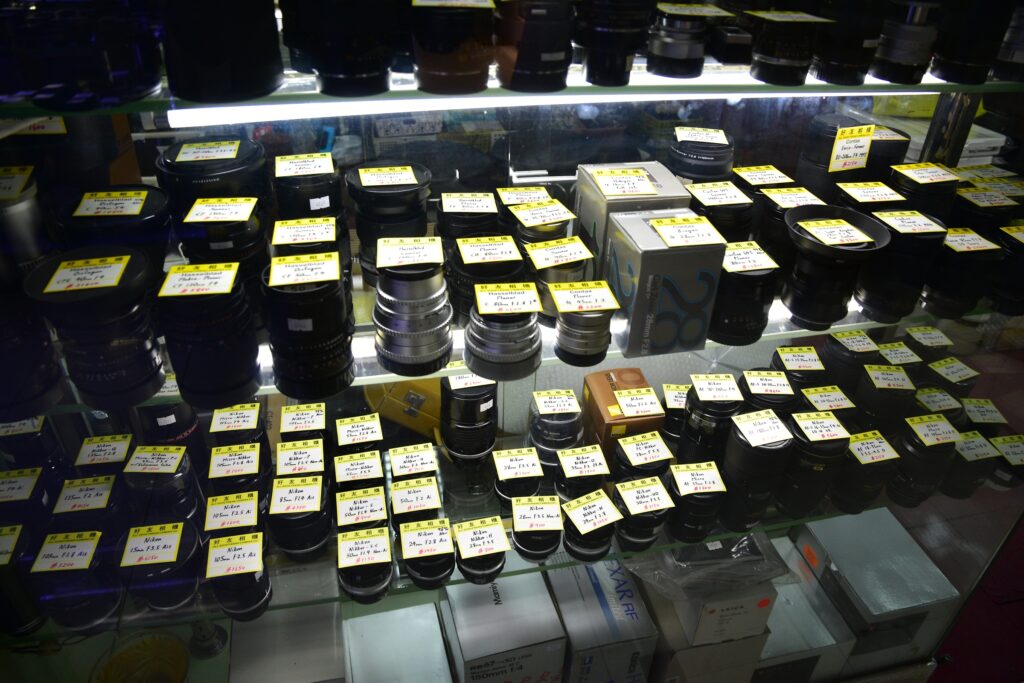
Japan is one of the best places in the world to shop for vintage and second-hand luxury goods.
From Louis Vuitton and Chanel to Rolex, Prada, Gucci, Comme des Garçons, and Japanese designer brands, you can find everything from vintage handbags and watches to designer clothing, shoes, and accessories.
But why do so many travelers buy pre-owned luxury goods in Japan?
One reason is the quality of the second-hand market. Japanese shoppers have a strong culture of taking care of their belongings, while professional resale stores carefully inspect, grade, and price items before putting them on sale.
For international visitors, this creates an exciting opportunity: you may find a rare vintage item, a discontinued model, or a designer piece at a price that is more attractive than buying new.
This guide explains why second-hand shopping in Japan is popular, where to shop, how to check an item, how tax-free shopping works, and what to know before buying.
Why Buy Second-Hand Luxury Goods in Japan?
There are several reasons Japan has become such an attractive destination for vintage and pre-owned shopping.
1. Japan Has a Strong Second-Hand Shopping Culture
Buying used goods is not unusual in Japan.
There are dedicated resale stores for almost everything, including clothing, furniture, electronics, watches, jewelry, and luxury handbags.
For fashion lovers, this means there is a large and constantly changing supply of pre-owned items.
Japanese consumers also tend to take good care of their belongings. While you should never assume that every Japanese second-hand item is in perfect condition, it is common to find pre-owned products that have been carefully maintained.
This is particularly interesting when shopping for luxury goods that can remain attractive for decades when properly cared for.
2. Japanese Second-Hand Stores Take Condition Seriously
One of the biggest advantages of shopping at established Japanese resale stores is the amount of information provided about an item’s condition.
Items are generally inspected and graded before being offered for sale.
Depending on the store, you may see condition descriptions such as:
- New or unused
- Like new
- Excellent condition
- Good condition
- Visible signs of use
- Scratches or stains
- Missing accessories
Always check the store’s own grading system because condition grades are not standardized across every retailer.
A “B” at one store does not necessarily mean exactly the same thing as a “B” somewhere else.
3. You Can Find Vintage and Discontinued Items
If you only shop at official brand boutiques, your choices are generally limited to current collections.
Second-hand stores are different.
You may find:
- Vintage Chanel bags
- Older Louis Vuitton models
- Discontinued Rolex watches
- Vintage Gucci
- Japanese designer pieces
- Previous-season collections
- Limited-edition items
- Rare colors and materials
- Older models that are no longer produced
This is one of the biggest reasons vintage shopping in Japan can be so exciting.
You never know exactly what will be available when you walk into a store.
4. Prices Can Be More Attractive Than Buying New
Pre-owned goods are often significantly cheaper than their original retail prices.
However, do not assume that every second-hand item is cheap.
Rare vintage pieces, popular models, limited editions, and highly sought-after watches can sometimes be extremely expensive.
The price depends on factors such as:
- Brand
- Model
- Year
- Condition
- Material
- Color
- Rarity
- Accessories
- Current demand
For example, two bags from the same brand may have completely different prices because one is a rare vintage model while the other is a common item.
RAGTAG, a major Japanese designer second-hand retailer, says some of its used items can be priced 50–80% below original brand prices, although actual discounts vary by item.
Where to Buy Vintage & Second-Hand Luxury Goods in Japan
Japan has thousands of resale stores, but several major chains are particularly useful for international travelers.
1. KOMEHYO
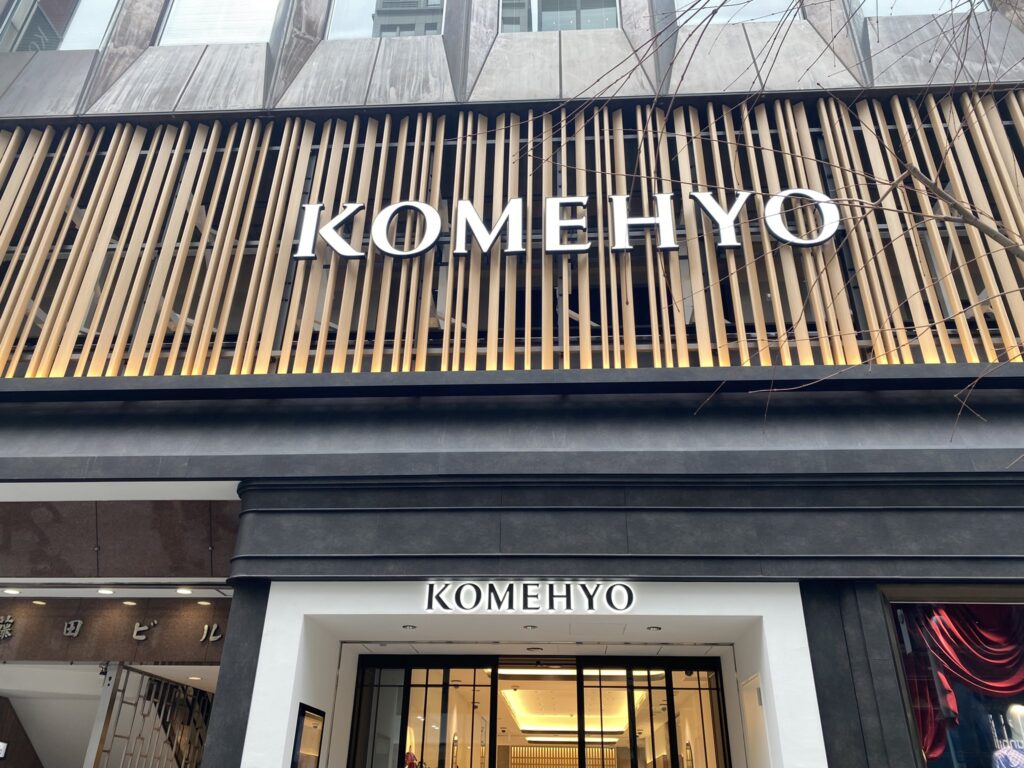
KOMEHYO is one of Japan’s best-known second-hand luxury retailers.
The company is particularly strong in:
- Luxury handbags
- Watches
- Jewelry
- Clothing
- Accessories
- Precious metals
KOMEHYO is based in Nagoya and has stores in major Japanese cities.
For travelers looking specifically for luxury bags, watches, and jewelry, KOMEHYO should be high on your list.
The company also operates its own buying and appraisal business, and its stores sell items that have been sourced and assessed by KOMEHYO.
Best for:
Luxury bags, watches, jewelry, and high-value items
Tip
KOMEHYO stores can have very different inventories, so don’t assume that another branch will have the same items.
2. 2nd STREET
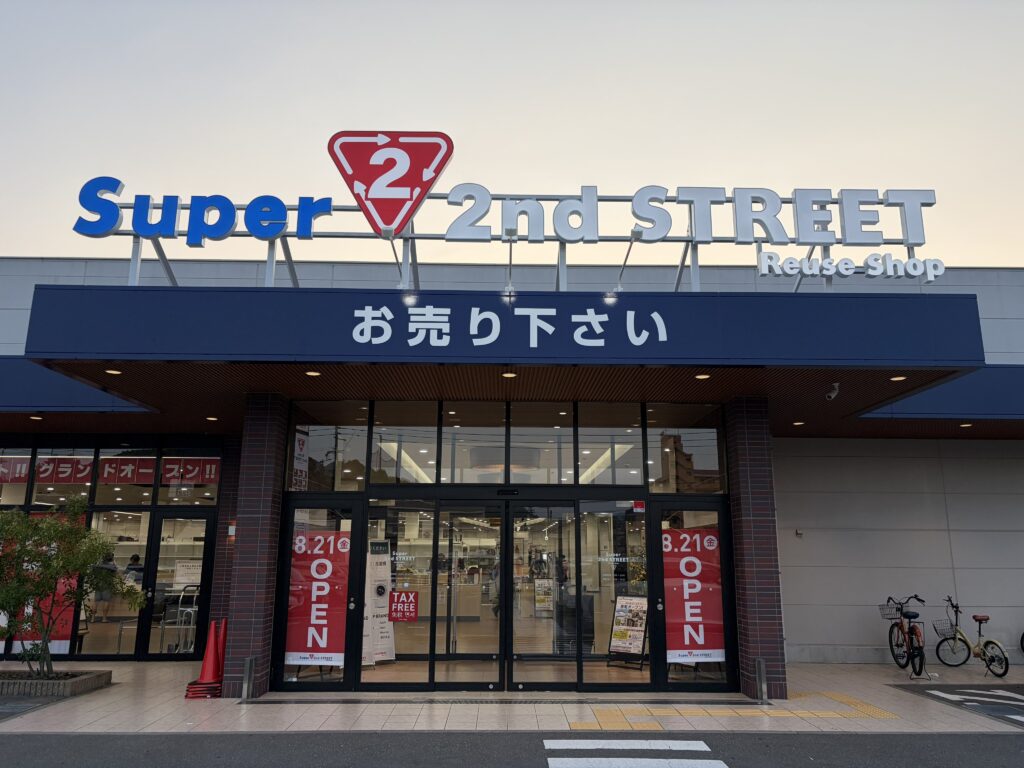
2nd STREET is one of the easiest second-hand chains for travelers to find in Japan.
It has more than 900 physical stores in Japan and sells a huge variety of used goods. Its fashion selection includes clothing, bags, shoes, accessories, and luxury brands.
Unlike stores specializing exclusively in luxury goods, 2nd STREET offers a much broader mix.
That can actually make it more fun.
You might find:
- Designer clothing
- Vintage T-shirts
- Sneakers
- Luxury bags
- Japanese brands
- Streetwear
- Outdoor clothing
- Accessories
Best for:
Affordable second-hand fashion, vintage clothing, streetwear, and occasional luxury finds
Tip
If you enjoy treasure hunting, spend some time browsing rather than searching only for one particular brand.
3. RAGTAG
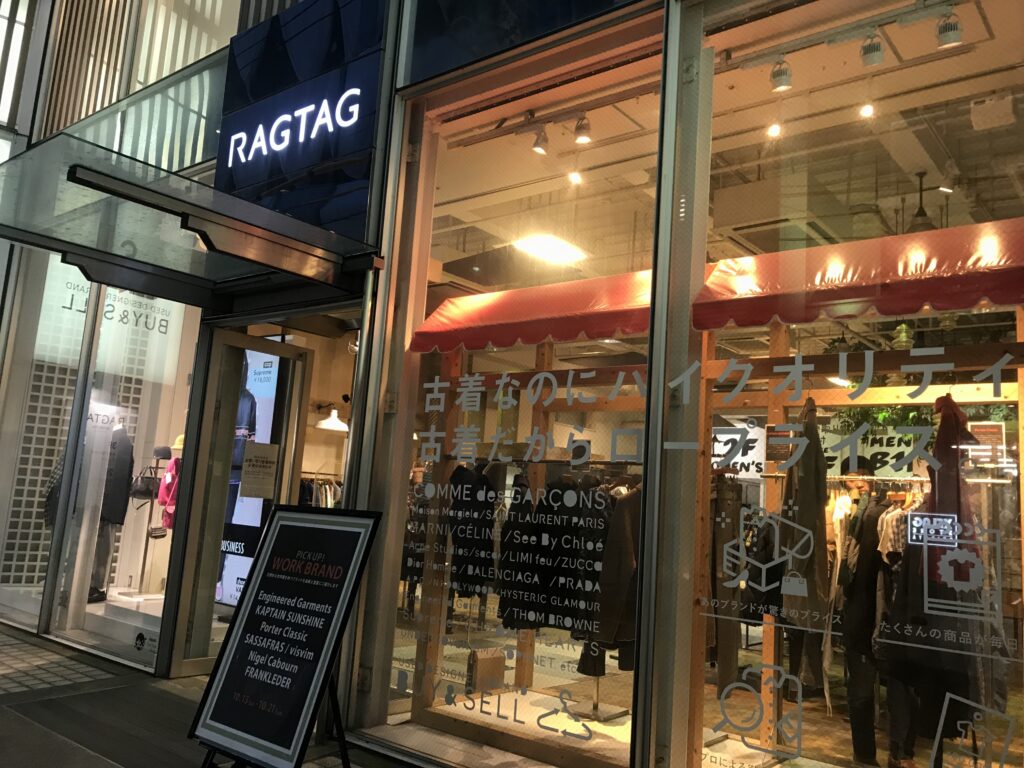
If you are interested in designer and Japanese fashion, RAGTAG is one of the best stores to visit.
RAGTAG specializes in used designer fashion and carries more than 5,000 brands, including both international luxury labels and Japanese designers.
You can find brands such as:
- Comme des Garçons
- Yohji Yamamoto
- Issey Miyake
- Maison Margiela
- Prada
- Gucci
- Louis Vuitton
- Celine
- Balenciaga
- Miu Miu
- Sacai
Its stores are particularly useful if you want to explore Japanese fashion rather than only famous European luxury brands.
Best for:
Japanese designers, designer clothing, vintage fashion, and luxury fashion
Good locations for travelers
RAGTAG has stores in areas such as:
- Shibuya
- Harajuku
- Shinjuku
- Kyoto
- Osaka
- Fukuoka
For example, the Harajuku store has dedicated men’s and women’s sections covering casual, mode, street, and luxury fashion.
Other Places to Look for Second-Hand Luxury Goods
The three stores above are a good starting point, but they are far from the only options.
You will also find independent vintage stores and specialty retailers throughout major shopping districts.
Good areas to explore include:
Tokyo
- Shinjuku
- Shibuya
- Harajuku
- Omotesando
- Ginza
- Shimokitazawa
- Nakameguro
Osaka
- Shinsaibashi
- Amerikamura
- Umeda
- Namba
Kyoto
- Kawaramachi
- Teramachi
- Shijo
Nagoya
- Osu
- Sakae
Osu in Nagoya is particularly interesting for vintage clothing and second-hand shopping.
What Can You Buy Second-Hand in Japan?
The selection is much broader than handbags.
Luxury Bags
Popular brands include:
- Louis Vuitton
- Chanel
- Hermès
- Gucci
- Prada
- Celine
- Dior
- Fendi
- Loewe
- Bottega Veneta
You can find both current and vintage models.
Watches
Japan is also an interesting destination for pre-owned watches.
You may find:
- Rolex
- Omega
- Cartier
- Grand Seiko
- TAG Heuer
- Tudor
- Seiko
For expensive watches, however, pay particularly close attention to authenticity, condition, service history, included accessories, and warranty.
Designer Clothing
This is where Japan becomes especially interesting.
Japanese second-hand stores often have excellent selections of:
- Comme des Garçons
- Yohji Yamamoto
- Issey Miyake
- Sacai
- Visvim
- Undercover
- Maison Margiela
- AURALEE
- Kapital
If you are interested in Japanese fashion, second-hand stores can sometimes be more interesting than department stores.
How to Check a Second-Hand Luxury Item
Even when shopping at a reputable retailer, you should inspect an expensive item carefully.
Check the Overall Condition
Look for:
- Scratches
- Stains
- Discoloration
- Odors
- Peeling
- Cracks
- Fraying
- Hardware damage
- Loose stitching
For leather goods, check both the outside and inside.
Check the Accessories
Depending on the product, accessories may include:
- Original box
- Dust bag
- Authenticity card
- Warranty card
- Tags
- Shoulder strap
- Keys
- Lock
- Receipt
But remember:
Missing accessories do not automatically mean an item is fake.
Vintage items, in particular, may have been separated from their original packaging over the years.
Is Second-Hand Luxury in Japan Authentic?
This is one of the most important questions for international visitors.
Established Japanese resale stores have professional purchasing and appraisal systems, and many have been operating in the second-hand market for decades.
However, no retailer should be treated as completely risk-free simply because it is located in Japan.
Counterfeit goods exist in the global luxury market, and sophisticated fakes can be difficult to identify.
For expensive purchases, it is therefore better to:
- Buy from an established retailer.
- Ask about the store’s authenticity policy.
- Keep the receipt.
- Check the item’s condition carefully.
- Keep documentation and purchase records.
Avoid buying an expensive luxury item from an unknown individual simply because the price looks unbelievably good.
If the price seems too good to be true, be cautious.
Can Foreign Tourists Get Tax-Free Shopping?
Yes, eligible foreign visitors can purchase qualifying goods tax-free at participating stores.
Under the current system, general goods purchased at the same tax-free shop on the same day generally need to total at least ¥5,000 before tax. You also need to meet the eligibility requirements and take the purchased goods out of Japan.
KOMEHYO offers tax-free shopping at eligible sales stores, although some locations are excluded.
2nd STREET also has designated tax-free stores, with its own store-by-store eligibility information.
Bring your passport
When shopping tax-free, you will generally need your passport and must meet the requirements for tax-free purchases.
A passport copy or ID card is not necessarily sufficient; for example, 2nd STREET specifically requires the relevant passport documentation for its tax-free procedure.
Important: Japan’s Tax-Free System Is Changing
If you are visiting Japan in late 2026 or later, pay attention to this.
From November 1, 2026, Japan will change its tax-free shopping system to a refund method.
Instead of receiving the tax exemption directly at the time of purchase, eligible travelers will generally pay the tax-inclusive price and receive the equivalent consumption-tax refund after customs confirms that the goods are being taken out of Japan.
So if you are writing or publishing this article, this section should be updated when the new system comes into effect.
Tips for Finding a Good Deal
1. Compare Multiple Stores
Don’t buy the first item you see.
If you are looking for a specific model, check several stores before making your decision.
Prices can vary considerably depending on:
- Condition
- Accessories
- Production year
- Color
- Popularity
- Store inventory
2. Search for the Japanese Name
This is a useful trick.
If you are looking for a particular item, try searching in Japanese as well as English.
For example:
“Chanel vintage bag”
can be combined with:
“シャネル ヴィンテージ バッグ”
Japanese search results may reveal stores and listings that do not appear in English-language searches.
3. Visit More Than One Neighborhood
Don’t limit yourself to the most famous shopping district.
Tokyo’s luxury shopping areas may have different inventory from areas known for vintage and street fashion.
For example:
Ginza → luxury and watches
Harajuku → designer and fashion
Shibuya → contemporary fashion
Shimokitazawa → vintage and casual
Shinjuku → large selection and department-store-style shopping
Should You Buy Vintage or New?
It depends on what you want.
Buy New If:
- You want the latest collection.
- You want a full brand warranty.
- You want perfect condition.
- You want the complete original packaging.
Buy Second-Hand If:
- You want a lower price.
- You want vintage models.
- You want discontinued products.
- You want rare colors or designs.
- You enjoy finding unique pieces.
- You are interested in Japanese fashion history.
For many travelers, the best part is not simply saving money.
It is finding something that you cannot easily find at home.
A Simple Second-Hand Shopping Strategy
If you are visiting Japan specifically to shop for luxury goods, try this approach:
Step 1: Decide what you want
Choose a brand, model, category, or approximate budget.
Step 2: Research the retail price
Find out how much the item costs when new.
Step 3: Check several Japanese resale stores
Look at KOMEHYO, RAGTAG, 2nd STREET, and local specialty stores.
Step 4: Compare condition
A cheaper item is not necessarily the better deal.
Step 5: Check tax-free eligibility
Ask the store before paying.
Step 6: Inspect the item carefully
Check scratches, stains, hardware, stitching, and accessories.
Step 7: Keep your receipt
Keep all documentation until you return home.
FAQ: Buying Second-Hand Luxury Goods in Japan
Is Japan a good place to buy second-hand luxury goods?
Yes. Japan has a large and well-developed resale market, with many established retailers specializing in luxury bags, watches, jewelry, designer clothing, and vintage fashion.
Why are Japanese second-hand goods considered good quality?
Japan has a strong resale culture, and established retailers inspect and grade items before selling them. However, condition varies from item to item, so always inspect the product carefully.
Is second-hand luxury cheaper in Japan?
It can be. Prices depend on the brand, model, rarity, condition, and current demand. Some items can be significantly cheaper than their original retail prices, while rare vintage pieces can be expensive.
Where is the best place to buy second-hand luxury goods in Japan?
For luxury bags, watches, and jewelry, KOMEHYO is a strong choice. For designer and Japanese fashion, RAGTAG is worth visiting. For a wider variety of used fashion and vintage items, 2nd STREET is a good option.
Can tourists buy second-hand goods tax-free?
Eligible foreign visitors can purchase qualifying goods tax-free at participating stores, subject to the applicable rules. The system is scheduled to change to a refund method for purchases made from November 1, 2026.
Should I buy a vintage luxury bag in Japan?
If you enjoy vintage fashion and are comfortable carefully checking condition and authenticity, Japan can be an excellent place to shop for vintage luxury bags.
Final Tips
Buying second-hand luxury goods in Japan is about more than finding a lower price.
It is an opportunity to find vintage pieces, discontinued models, Japanese designer fashion, rare colors, and unique items that may be difficult to find elsewhere.
Start with established retailers such as KOMEHYO, RAGTAG, and 2nd STREET, compare several stores, inspect the condition carefully, and check the tax-free rules before purchasing.
And perhaps the biggest tip of all:
Don’t rush.
The fun of Japanese second-hand shopping is often the search itself. You may walk into a store looking for one particular bag and walk out with a completely unexpected vintage piece.
That is part of the experience.
Aichi Airport Alcoholic beverage Anime Anime pilgrimage April Architecture August Autumn Building Capital Area Cherry blossom Convenience store February Flower January Japanese food kanto Kinki Kyoto March May Nagoya Nature Nightlife Night view Osaka Photogenic Pink Sakura Shopping Shrine Souvenir Spring Station Summer Superb view Temple Tips Tokai Tokyo Traffic train White Winter

More from my site
 Banana Record Japan: A Guide to Used Vinyl & CDs
 Chiikawa Bakery Osaka: The Ultimate Guide for Visitors
 Pokemon Center Mega Tokyo: Reopening Guide & Location
 Inside Onitsuka Tiger’s World Largest Store in Shinjuku & Nagoya Flagship
 Orion T-Shirts in Okinawa: Why Every Tourist Wants One
 Okinawa in a Can: The Magic of Orion Beer and Its Iconic Goods