
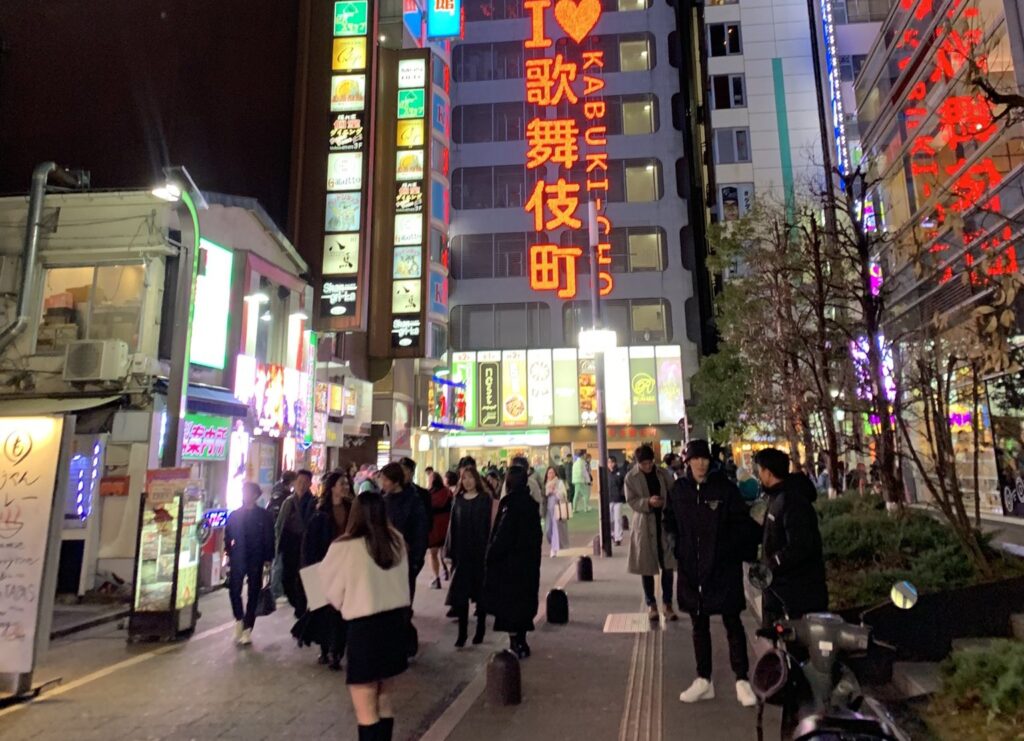
Walking through a busy nightlife district in Japan, you may be approached by someone asking, “Looking for a bar?” or “Cheap drinks!”
This person may be a kyakuhiki (客引き), a Japanese street tout who tries to bring customers into a particular restaurant, bar, club, or other establishment.
While not every person who approaches you is necessarily running a scam, following an unsolicited street tout can put you at a much higher risk of unexpected charges and other problems.
Japanese police specifically warn that people who follow touts can be taken to establishments where they are charged extremely high prices.
The simplest rule for travelers is: if a stranger approaches you on the street and asks you to follow them to a bar or restaurant, don’t go.
Here’s everything you need to know about kyakuhiki in Japan and how to avoid trouble.
What Is Kyakuhiki in Japan?
Kyakuhiki (客引き) means a person who solicits customers.
In Japan, kyakuhiki are commonly seen in busy entertainment and nightlife districts. They may approach pedestrians and offer to take them to:
- Bars
- Izakaya
- Clubs
- Hostess clubs
- Girls’ bars
- Restaurants
- Other nightlife establishments
You may hear phrases such as:
“Looking for a bar?”
“Cheap drinks!”
“All-you-can-drink for ¥3,000!”
“Come with me. I know a good local place.”
“Special price for you!”
For tourists, these offers can sound convenient, especially if you’re unfamiliar with the area.
But there’s an important question you should ask:
Why is this person trying so hard to take you to one particular business?
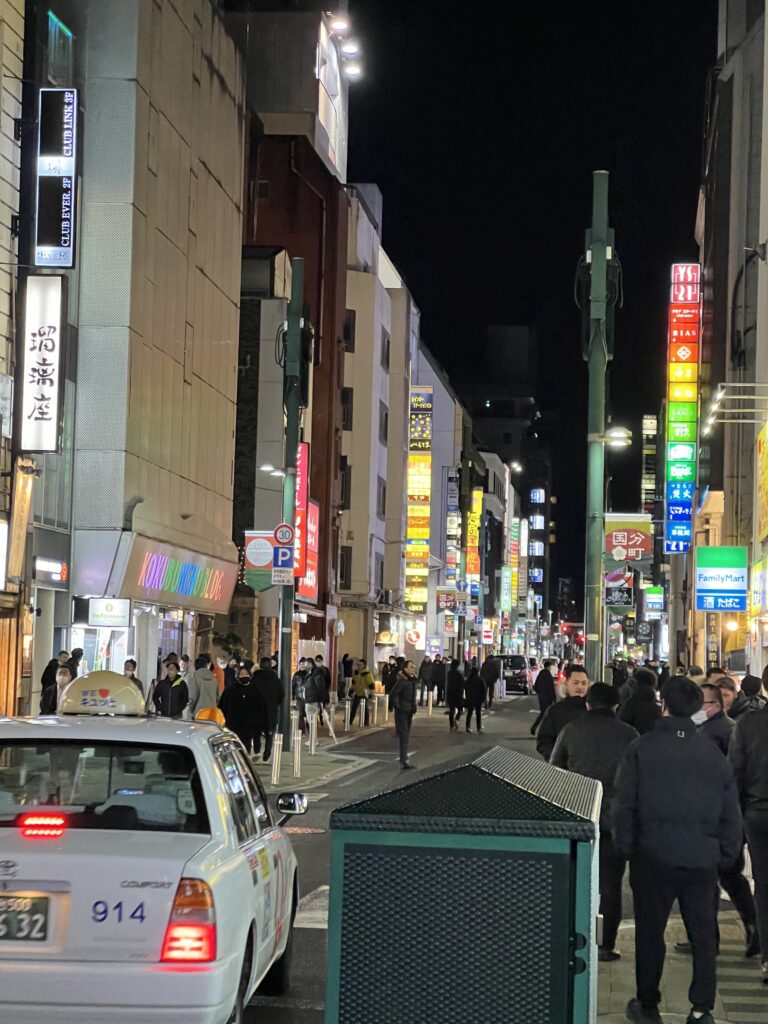
Why Do Street Touts Approach Tourists?
The simple answer is money.
A street tout may receive compensation or an incentive for bringing customers to a particular establishment.
The basic business model can look like this:
Tourist → Street tout → Bar/restaurant → Customer spends money → Tout receives compensation
This means the person may not be recommending a restaurant because it is the best or cheapest place in the area.
They may be recommending it because they have a financial reason to bring you there.
This is particularly important for tourists because you may not know the normal prices in the area.
Is It Safe to Follow a Kyakuhiki?
Generally, you should not.
Not every kyakuhiki is necessarily operating a scam, but following a stranger’s recommendation directly from the street carries unnecessary risk.
The Osaka Prefectural Police specifically warns that people who follow touts can be taken to establishments where they are charged excessive amounts of money. Police also advise people not to follow touts who approach them.
One example published by Osaka police describes a person being told that a hostess club would cost ¥3,000 per hour, only to receive a ¥100,000 bill after entering the establishment.
This doesn’t mean every street tout will lead to a ¥100,000 bill.
It does mean that the risk is real enough that Japanese authorities actively warn visitors about it.
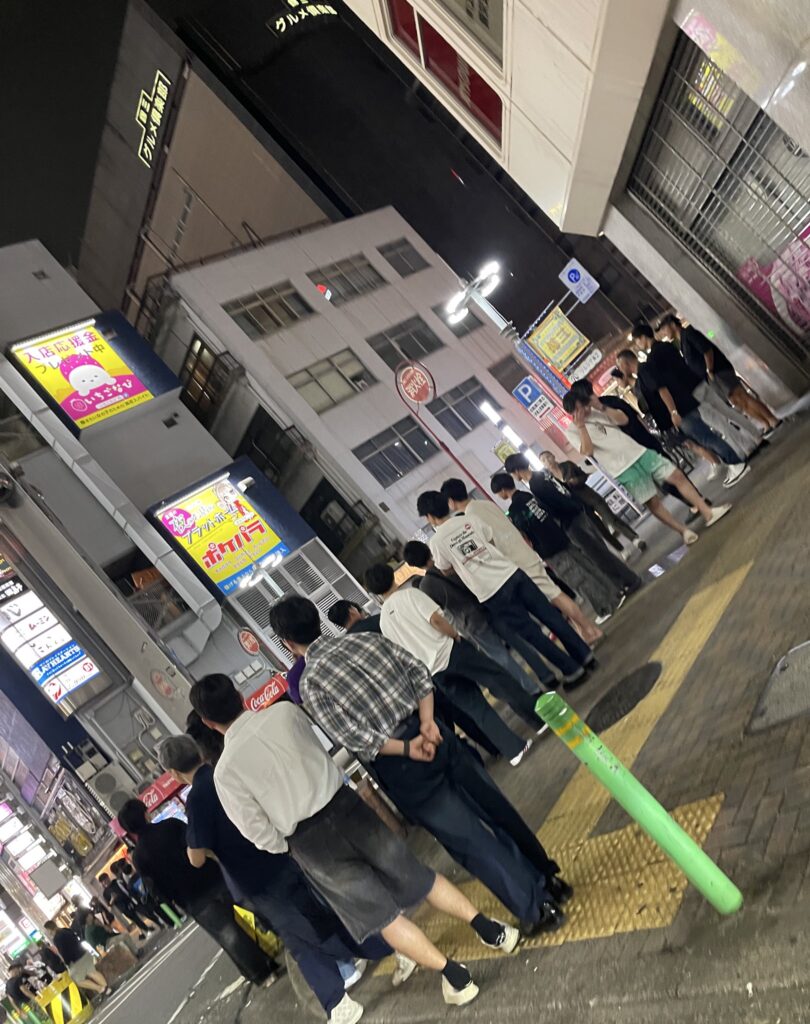
How Can a “¥3,000 Bar” Become Much More Expensive?
This is one of the biggest things tourists need to understand.
A tout may tell you:
“Only ¥3,000!”
But what exactly does ¥3,000 include?
There could be additional charges for:
- Table charges
- Service charges
- Food
- Drinks
- Premium drinks
- Seating fees
- Taxes
- Other services
You might therefore hear a very attractive price before entering, while the final bill is much higher.
Always ask about the total pricing before ordering.
If you cannot clearly understand how the pricing works, leave and choose another place.
Why Are Tourists Especially Vulnerable?
Japan is generally considered a safe destination, but that doesn’t mean every business or person you encounter is trustworthy.
Foreign visitors can be particularly vulnerable to nightlife-related problems because they may not be familiar with:
- Japanese pricing systems
- Table charges
- Service charges
- Japanese menus
- Local nightlife customs
- The reputation of particular establishments
- Japanese laws and regulations
Language can make the situation even more difficult.
A tourist may think:
“They speak English, so this must be a tourist-friendly place.”
But speaking English doesn’t tell you whether the establishment is reasonably priced.
Where Are You Most Likely to See Street Touts?
Kyakuhiki are particularly associated with busy nightlife and entertainment districts.
You may encounter them around areas with large numbers of:
- Bars
- Clubs
- Izakaya
- Hostess clubs
- Girls’ bars
- Entertainment venues
For example, travelers should be particularly alert in major nightlife districts in cities such as Tokyo, Osaka, and Kyoto.
This doesn’t mean these areas are unsafe.
In fact, millions of people visit them without problems.
The point is simply that busy nightlife districts are where street solicitation is more likely to occur.
Kyoto, for example, has a specific ordinance restricting customer solicitation in designated areas, including parts of Gion, Kawaramachi, and areas around Kyoto Station.
Kyoto has also continued to publicly announce enforcement actions against businesses and individuals involved in prohibited solicitation.
How to Avoid Kyakuhiki and Bar Scams in Japan
1. Don’t follow strangers to bars or restaurants
This is the most important rule.
If someone approaches you and says:
“Come with me. I know a great bar.”
Simply say:
“No, thank you.”
Then continue walking.
You don’t need to explain yourself.
2. Choose the restaurant yourself
If you’re looking for somewhere to eat or drink, search for the place yourself.
You can check:
- Google Maps
- Restaurant websites
- Hotel recommendations
- Travel websites
- Review platforms
The key difference is that you choose the establishment rather than letting a stranger choose it for you.
3. Check the menu before entering
If you are considering a restaurant or bar, look at the menu first.
Check:
Drink prices + food prices + table charges + service charges + taxes
If the pricing isn’t clear, don’t enter.
4. Don’t trust “special price” offers
Be cautious when someone tells you:
- “Special price for tourists!”
- “Only tonight!”
- “Very cheap!”
- “All-you-can-drink!”
- “No cover charge!”
- “You can try it for free!”
The cheaper the offer sounds, the more important it is to understand exactly what is included.
5. Don’t let anyone pressure you
A legitimate restaurant doesn’t need to force you to enter immediately.
If someone blocks your way, follows you, repeatedly approaches you, or insists that you enter, walk away.
Japanese authorities specifically identify persistent solicitation and blocking pedestrians as problems associated with illegal touting.
What Should You Say to a Street Tout?
You don’t need fluent Japanese.
These simple phrases are enough.
“No, thank you.”
いいえ、結構です。
Iie, kekkō desu.
“I’m not interested.”
興味ありません。
Kyōmi arimasen.
“I’m going somewhere else.”
別の店に行きます。
Betsu no mise ni ikimasu.
“How much is it?”
いくらですか?
Ikura desu ka?
“Are there any additional charges?”
追加料金はありますか?
Tsuika ryōkin wa arimasu ka?
If you don’t want to interact, you can simply say:
“No, thank you.”
and keep walking.
What If You Already Followed a Kyakuhiki?
Don’t panic.
If you are already inside a bar or restaurant, you can still leave before ordering.
Before ordering anything, ask:
“What is the total price?”
And ask specifically about:
- Table charges
- Service charges
- Minimum spending requirements
- Drink prices
- Food prices
- Taxes
If the explanation is unclear or the staff pressures you to order, leave.
What If You Receive an Extremely High Bill?
First, stay calm.
Ask for an itemized bill and ask the staff to explain each charge.
If the bill is significantly different from what you were told before entering, clearly explain that you did not agree to those charges.
If you feel threatened, are prevented from leaving, or believe you are being forced to pay, prioritize your safety.
In an emergency in Japan, call 110 for the police.
You can also go directly to the nearest kōban (交番), or police box, for assistance.
Japanese police specifically advise people involved in trouble related to touts to contact the police or a nearby police box.
Are All Kyakuhiki Scammers?
No.
This is an important distinction.
It would be inaccurate to say that every person who approaches customers on the street is a scammer.
The problem is that you don’t know what kind of establishment they are representing or why they are recommending it.
Some businesses may use customer solicitation as a legitimate marketing method, while others may use aggressive or illegal solicitation.
Japanese authorities themselves distinguish between legal and illegal forms of solicitation and actively enforce laws and local ordinances against certain types of street touting.
Therefore, the safest approach for tourists is not:
“Every kyakuhiki is a criminal.”
Instead:
“There is no reason to take the risk when you can choose a restaurant yourself.”
Is Japan Safe for Nightlife?
Yes.
You should not avoid Japan’s nightlife altogether because of kyakuhiki.
Tokyo, Osaka, Kyoto, Nagoya, and other cities have countless legitimate restaurants, bars, izakaya, and entertainment venues.
The key is simply to choose where you go yourself.
Japan’s reputation for safety doesn’t mean you should ignore basic precautions.
The same rule applies anywhere in the world:
Don’t let a stranger pressure you into spending money at a business you didn’t choose.
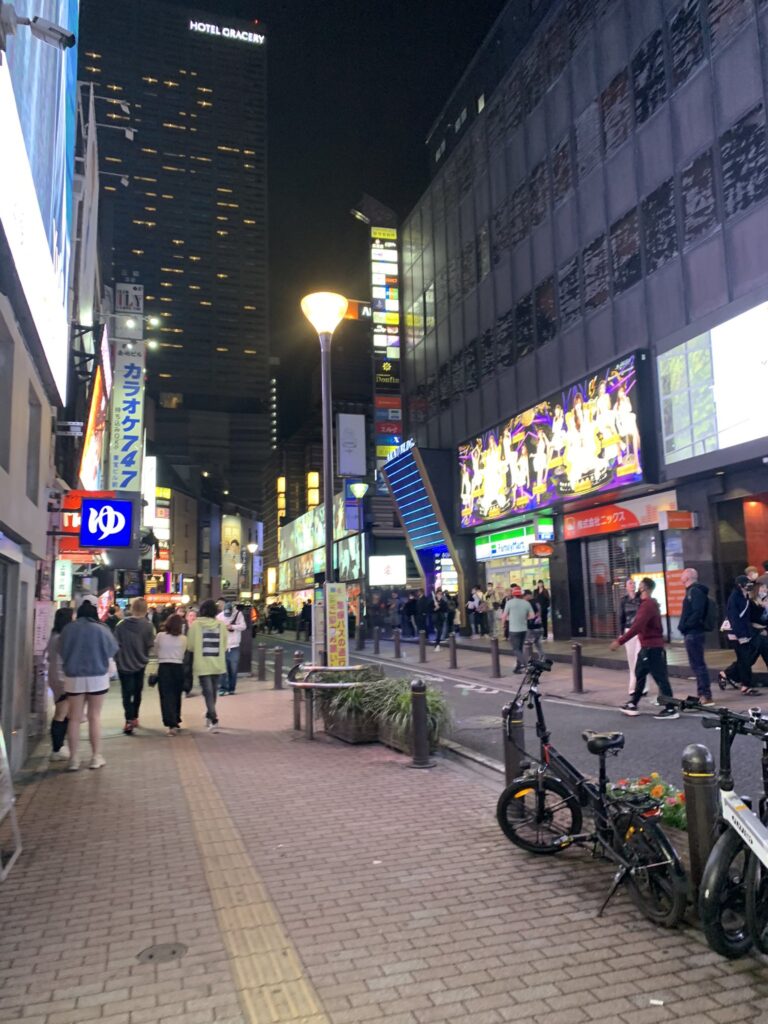
Kyakuhiki in Japan: Quick Safety Checklist
Before entering a restaurant or bar recommended by someone on the street, ask yourself:
- Did I choose this place myself?
- Do I know the prices?
- Are there table or service charges?
- Can I see the menu?
- Do I understand the pricing?
- Am I being pressured to enter?
- Did someone I don’t know bring me here?
If something feels wrong, leave.
There will always be another restaurant.
Frequently Asked Questions About Kyakuhiki in Japan
What does kyakuhiki mean?
Kyakuhiki (客引き) means a person who solicits customers, often by approaching people on the street and attempting to bring them into a particular business.
Is kyakuhiki illegal in Japan?
It depends on the type of solicitation and the local rules. Certain forms of customer solicitation are prohibited under Japanese law or local ordinances. For example, Kyoto has designated areas where customer solicitation is prohibited, while Osaka police actively enforce laws against illegal touting.
Should tourists follow kyakuhiki?
Generally, no. Japanese police warn that following touts can result in problems including extremely high bills.
Are all Japanese street touts scammers?
No. Not every person who solicits customers is necessarily a scammer. However, tourists should be cautious because they may not know the business relationship between the tout and the establishment.
How can I avoid bar scams in Japan?
Choose restaurants and bars yourself, check prices before ordering, ask about additional charges, and avoid establishments recommended by aggressive street touts.
What should I do if I get an unexpectedly high bill?
Ask for an itemized bill and an explanation of each charge. If you feel threatened or are being forced to pay, contact the police by calling 110 or visit a nearby kōban.
Final Tip: You Don’t Need a Street Tout to Find a Good Bar
Japan has an incredible nightlife scene.
From tiny izakaya to sophisticated cocktail bars, there are thousands of places worth visiting.
Do your own research, check the prices, and choose where you want to go.
If someone you don’t know approaches you on the street and says:
“Come with me. I know a cheap bar.”
The best response is simple:
“No, thank you.”
Then keep walking.
It’s one of the easiest ways to avoid an unpleasant surprise during your trip to Japan.
Aichi Alcoholic beverage Anime Anime pilgrimage April Architecture August Autumn Building Capital Area Cherry blossom Convenience store February Flower January Japanese food kanto Kinki Kyoto March May Nagoya Nature Nightlife Night view Osaka Photogenic Pink Sakura Shopping Shrine Souvenir Spring Station Summer Superb view Temple Tips Tokai Tokyo Torii Traffic train White Winter

More from my site
 A Guide to Popular Japanese Craft Beers for International Beer Lovers
 Differences and characteristics of Japanese beer
 Izakaya in Japan:the symbol of alcohol heaven
 Inside Japan’s Viral Muscle Bars: Prices, Locations & Safety Tip
 Lost in Japan? How to Find a Smoking Area (Kitsuen-jo)
 Osaka Halloween 2025: The Best Spots After Shibuya’s Ban