
Have you found yourself humming the addictive hook “So, It’s Flyday Flyday Chinatown…” on TikTok or YouTube? Released in 1981 by Japanese singer Yasuha, “Flyday Chinatown” is a cornerstone of the global Japanese City Pop revival.
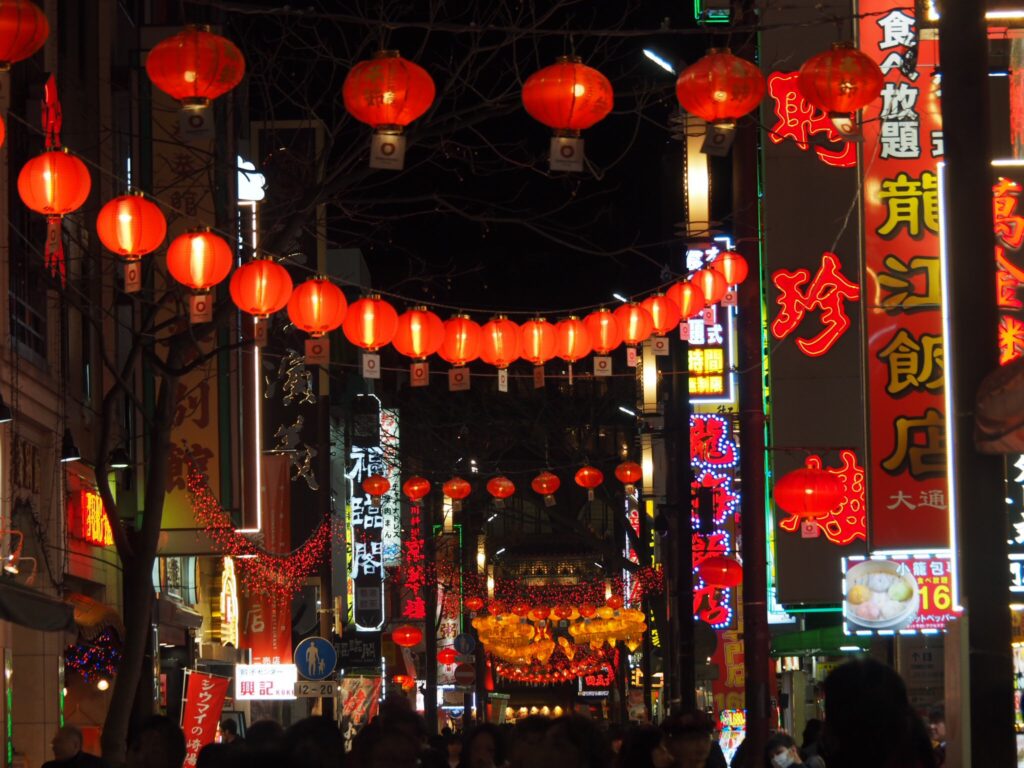
Beyond its funky baseline and retro-futuristic synth, the song captures the electrifying, neon-lit atmosphere of Japan’s most famous Chinese neighborhood. If you are traveling to Japan, visiting the real-life location behind the song is the ultimate way to bring this 80s classic to life.
Quick Travel Guide: Flyday Chinatown at a Glance
- Song: “Flyday Chinatown” (フライディ・チャイナタウン) by Yasuha (1981)
- Setting: Yokohama Chinatown (横浜中華街), Kanagawa Prefecture
- Access: 30–45 mins from central Tokyo (JR Ishikawacho Station or Motomachi-Chukagai Station)
- Best Time to Visit: Dusk to Night (when the neon lights and red lanterns ignite)
The Story Behind the Song: Why Did “Flyday Chinatown” Go Viral?
Originally released during Japan’s economic bubble era, “Flyday Chinatown” represents the upbeat, cosmopolitan vibe of 1980s Japanese pop music.
While City Pop gained worldwide popularity in recent years through algorithms, DJs, and social media platforms, Yasuha’s track stood out for its powerful vocals and high-energy brass arrangements. The wordplay in “Flyday” evokes both “Friday night fever” and the feeling of taking flight into an exotic, glowing city.
The Real Setting: Exploring Yokohama Chinatown
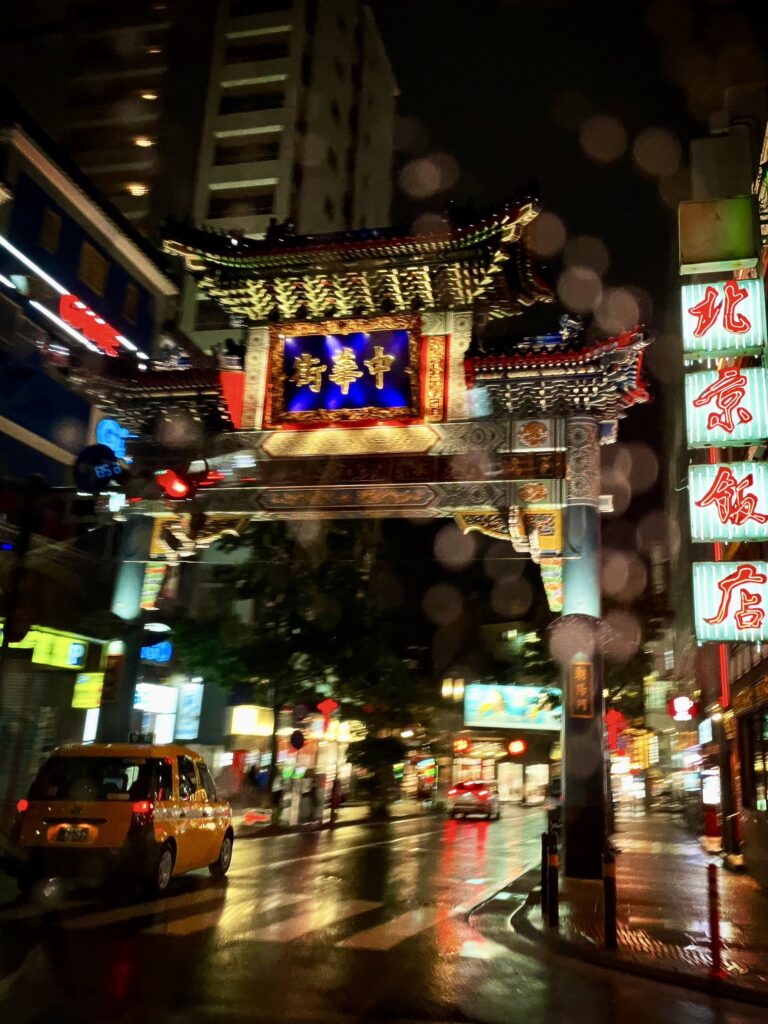
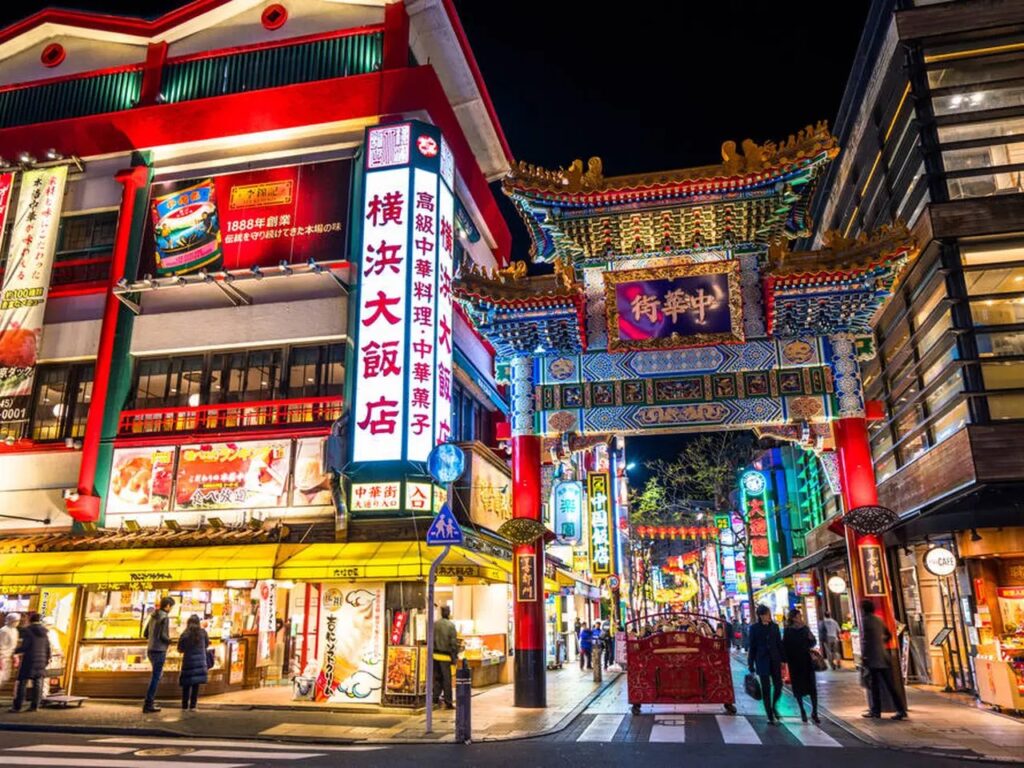
The real-life setting for this iconic track is Yokohama Chinatown, established in 1859. Today, it is the largest Chinatown in Japan (and one of the largest in the world), featuring over 500 shops, restaurants, and colorful paifang (traditional gates).
| Attraction | What to Experience | How it Relates to the Song |
| Zenrin-mon & Main Gates | Elaborate Chinese-style gates illuminated at night | The literal entrance into the retro-exotic visual world depicted in the song |
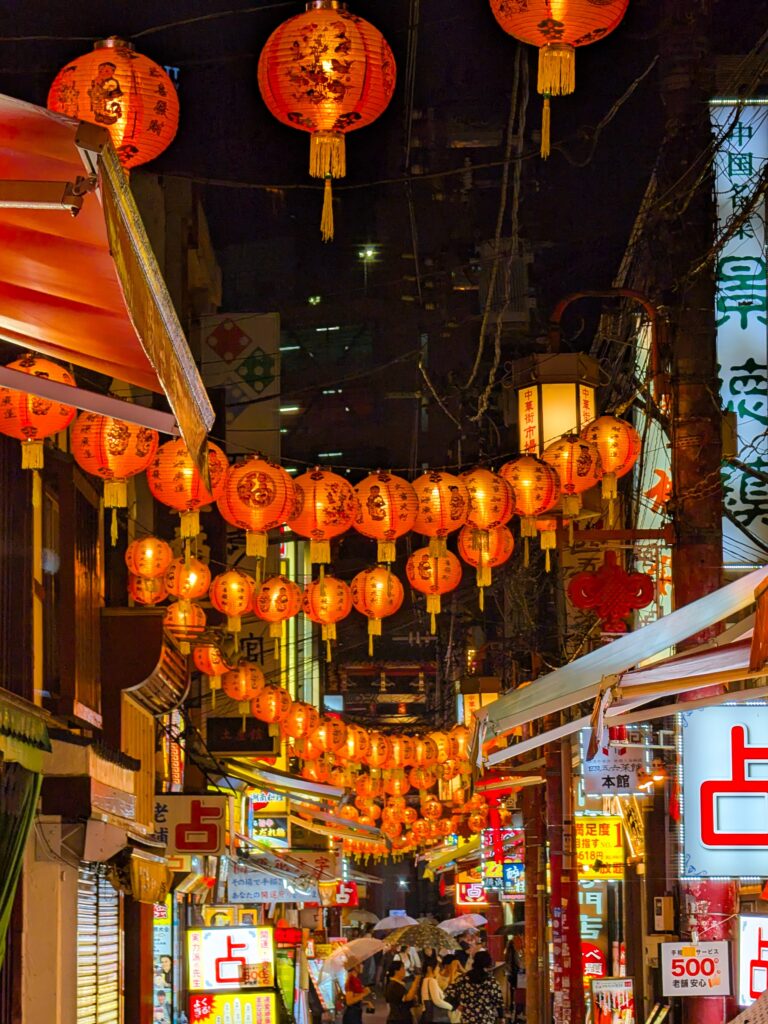
| Neon Alleyways | Narrow streets packed with glowing shop signs | Walking here feels like stepping directly into a 1980s City Pop album cover |
| Kanteibyo Temple | Historic temple dedicated to Guan Yu, ablaze with golden light | Experience the dynamic fusion of rich culture and lively night energy |
3 Ways to Feel the “Flyday Chinatown” Vibe in Person
To fully immerse yourself in the world of Yasuha’s hit, here is how to plan your evening:
- Visit Just Before Sunset: Arrive as twilight hits. Watch the red street lanterns and glowing neon signs turn on across the alleyways—this transition is pure 80s nostalgia.
- Grab Iconic Street Food: Walk through the bustling streets holding a steaming hot nikuman (steamed pork bun) or fresh xiao long bao (soup dumplings) while listening to the track on your headphones.
- Explore the Retro Showa Establishments: Step inside vintage tea houses or retro game centers tucked away in the side streets to feel the authentic Showa-era atmosphere.
Getting There from Tokyo
Yokohama Chinatown is easily accessible as a smooth evening trip from Tokyo:
- From Shibuya Station: Take the Tokyu Toyoko Line directly to Motomachi-Chukagai Station (approx. 35 minutes).
- From Tokyo Station: Take the JR Keihin-Tohoku Line to Ishikawacho Station (approx. 45 minutes).
If you love Japanese City Pop, put on your headphones, hop on a train, and spend your Friday night wandering through the glowing streets of Yokohama Chinatown!
Aichi Alcoholic beverage Anime Anime pilgrimage April Architecture August Autumn Building Capital Area Cherry blossom Convenience store February Flower History January Japanese food kanto Kinki Kyoto March May Nagoya Nature Nightlife Night view Osaka Photogenic Pink Sakura Shopping Shrine Souvenir Spring Station Summer Superb view Temple Tips Tokai Tokyo Traffic train White Winter

More from my site
 Complete Guide to SHIBUYA SKY Tokyo: Tickets, Rules & Best Time
 Kanagawa Seafood Guide: Best Day Trips From Tokyo
 Yokohama Christmas Markets 2025: Best Winter Events in Minatomirai
 Kokudō Station: A Time Capsule in Yokohama That Feels Like Another World
 Chiikawa Yaki Guide in Yokohama: Reservations, Menu, and Exclusive Goods
 7 Best Cherry Blossom in Kanagawa: Must-Visit Guide for 2025