
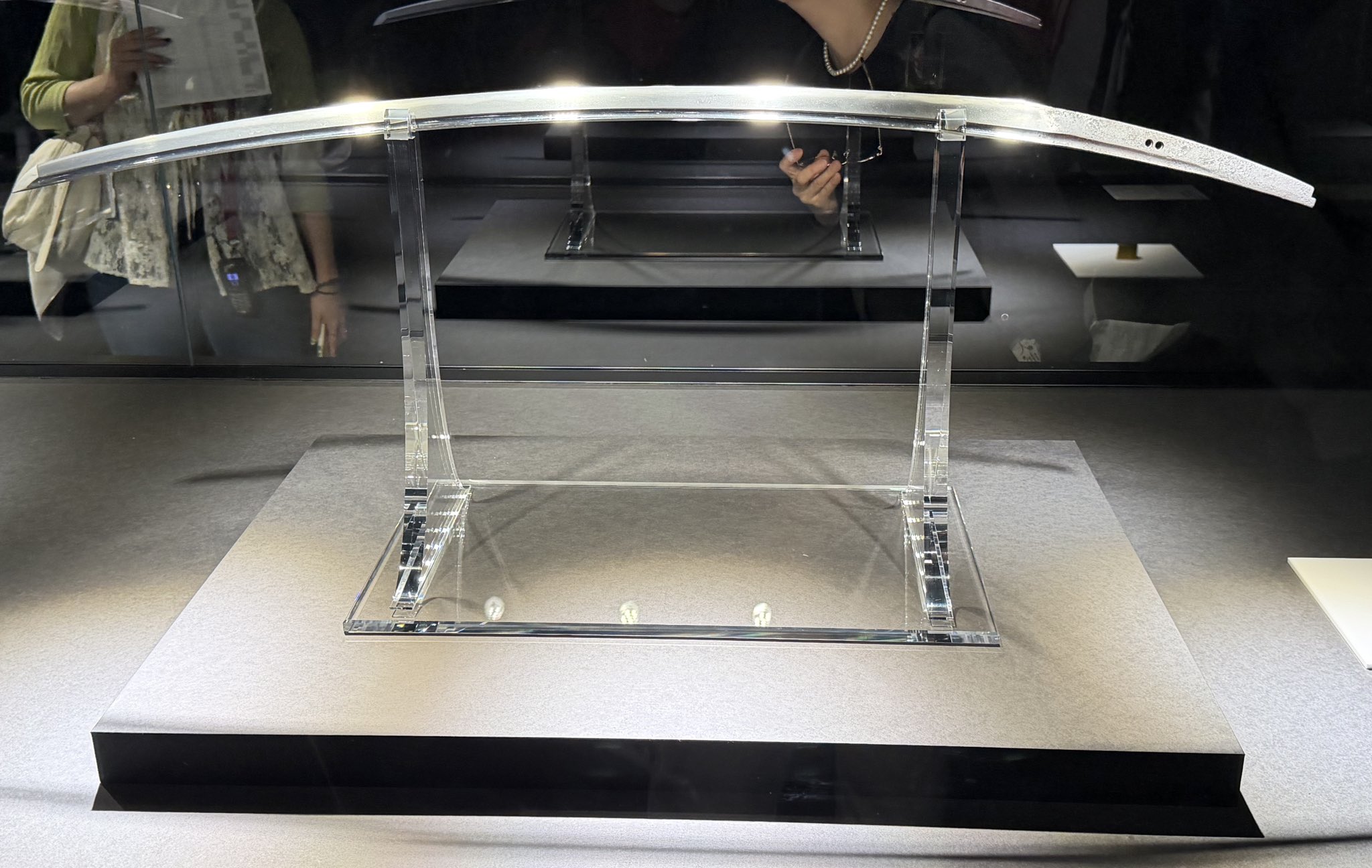
For centuries, the Japanese sword (Katana) has been revered not just as a weapon, but as a spiritual object and a masterpiece of art. For international visitors, seeing these blades in person is a profound way to connect with Japan’s history.
Here is a nationwide directory of the top facilities where you can appreciate authentic Japanese swords, categorized by region.
1. Tokyo
The capital city holds the highest density of National Treasure-class swords.
- Tokyo National Museum (Ueno): The oldest museum in Japan. The “Sword Room” in the Honkan (Main Building) always displays world-class blades, including National Treasures like Mikazuki Munechika.
- The Japanese Sword Museum (Ryogoku): Operated by the Society for Preservation of Japanese Art Swords. It features a modern architectural design and a specialized collection of masterworks.
2. Kanto (Excluding Tokyo)
- The Tokugawa Museum (Ibaraki – Mito): Home to the collection of the Mito-Tokugawa family. Famous for the sword Shokudaikiri Mitsutada.
- Tsukamoto Japanese Sword Museum (Chiba – Sakura): A rare private museum dedicated solely to swords, located in a historic castle town.
- Sano Art Museum (Shizuoka – Mishima): Though technically on the border of Chubu, it is easily accessible from Tokyo and holds world-renowned sword exhibitions.
3. Chubu (Central Japan)
- Seki Sword Tradition Museum (Gifu – Seki): Seki is one of the world’s three great cutlery centers. You can watch live sword-smithing demonstrations (on specific days).
- Tokugawa Art Museum (Aichi – Nagoya): Houses the treasures of the Owari-Tokugawa family, including many blades designated as National Treasures.
4. Hokuriku
- Ishikawa Prefectural Museum of Art (Ishikawa – Kanazawa): Often exhibits swords associated with the Maeda Clan of the Kaga Domain.
- Toyama Memorial Museum (Saitama/Toyama): While the main museum is in Saitama, Toyama region has strong ties to famous smiths like Etchu Norishige.
5. Kyoto
- Kyoto National Museum: Features incredible blades donated by or kept in the city’s many historic temples and shrines.
- Kitano Tenmangu Shrine (Treasure House): Famous for housing the legendary Onikirimaru (also known as Higekiri).
- Fujinomori Shrine: A popular spot for fans of “Touken Ranbu,” known for its connection to Tsurumaru Kuninaga.
6. Osaka
- Osaka Castle Museum: Displays various weapons and armor from the Sengoku (Warring States) period.
- Ishikiri Tsurugiya Shrine: Located at the foot of Mt. Ikoma, it preserves famous blades like Ishikiri-maru.
7. Kansai (Excluding Kyoto/Osaka)
- Kasuga Taisha Treasure House (Nara): This World Heritage site holds some of the oldest types of Japanese swords (Koto) in existence.
- Katsuragi Museum (Nara): A specialized museum focused on the history of Japanese martial arts and weaponry.
8. Chugoku (Western Honshu)
- Bizen Osafune Sword Museum (Okayama): The Holy Grail for sword fans. Located in the historic center of sword production. You can visit active workshops and see smiths, polishers, and scabbard makers at work.
- Hayashibara Museum of Art (Okayama): Boasts an extensive collection of Ikeda Clan swords and armor.
9. Shikoku
- Ehime Prefectural Museum of Art: Often hosts special exhibitions of swords related to the local clans.
- Oyamazumi Shrine (Ehime – Omishima): Known as the “Museum of Samurai Armor,” it holds a massive percentage of Japan’s National Treasure armor and swords.
10. Kyushu
- Fukuoka City Museum: Home to the National Treasure sword Heshikiri Hasebe and the famous giant spear Nihongo.
- Sengan-en / Shoko Shuzokan Museum (Kagoshima): Explores the history of the Shimadzu Clan, featuring high-quality Satsuma-made blades.
11. Hokkaido
- Hokkaido Museum (Sapporo): Occasionally displays blades used by the Samurai who settled in the north, as well as Ainu “Makiri” knives.
- The Nakagawa Heritage of Japan Museum (Tohoku/Hokkaido area): Features local cultural properties including swords.
12. Okinawa
- Okinawa Prefectural Museum & Art Museum (Naha): Features unique Ryukyuan swords, which have a distinct style influenced by both Japanese and Chinese cultures (e.g., the Chiyanagimaru).
💡 Pro-Tips for Visitors
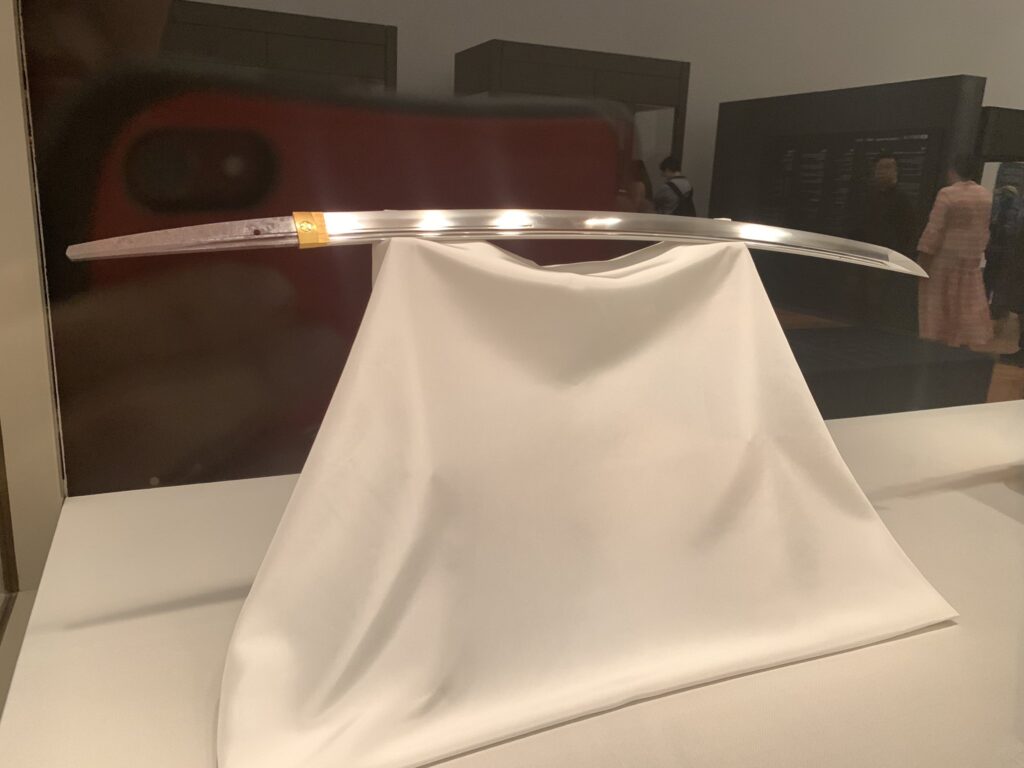
- Rotation: Swords are sensitive. Most museums rotate their collection every 1-2 months. Always check the official website to see if a specific sword is currently on display.
- No Photos: Many museums forbid photography to protect the blades and respect copyrights. Look for “No Photo” signs.
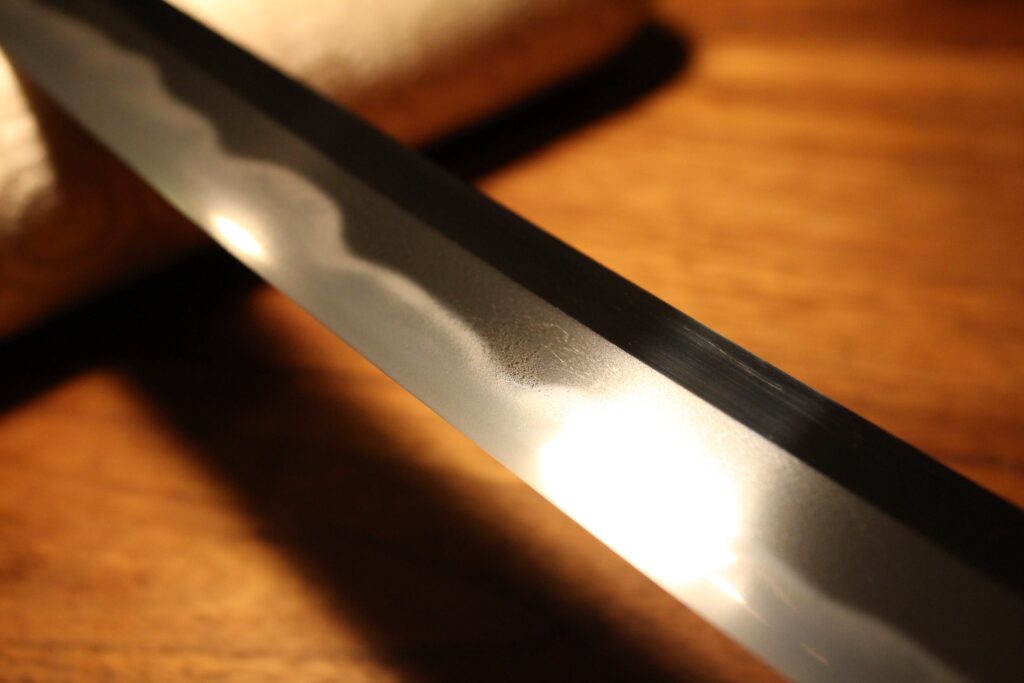
- Lighting: Don’t be surprised if the rooms are dark. This is to help you see the “Hamon” (grain pattern) on the blade under specific spotlights.
Aichi Airport Alcoholic beverage Anime Anime pilgrimage April Architecture August Autumn Building Capital Area Cherry blossom Convenience store February Flower January Japanese food kanto Kinki Kyoto March May Nagoya Nature Nightlife Night view Osaka Photogenic Pink Sakura Shopping Shrine Souvenir Spring Station Summer Superb view Temple Tips Tokai Tokyo Traffic train White Winter

More from my site
 Tokyo National Museum: What to See and Why It’s Worth Visiting
 Mojiko Retro Guide: Things to Do, Food & Walking Course
 Hikone Castle: Japan’s Authentic Feudal Stronghold Near Kyoto, Osaka & Nagoya
 Narita Is Worth More Than Just an Airport Stop: The Ultimate Guide to Tokyo’s Best Half-Day Getaway
 Step Into an Underground Fantasy: The Hidden Labyrinth in Tochigi
 5 Best Alternatives to Kyoto Without the Crowds