
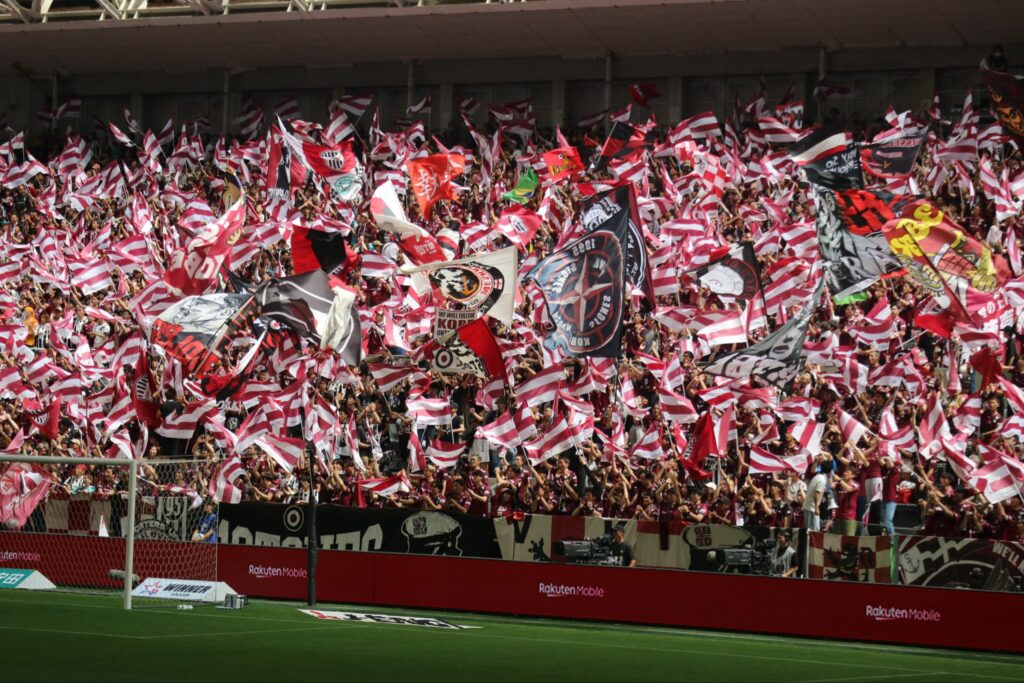
For football fans in Japan and across the globe, the long-awaited turning point is here. After decades of operating on a unique calendar, Japan’s professional football league—the J.League—is officially pivoting to a European-style “Autumn-to-Spring” (August to May/June) schedule starting this August 2026.
With the transitional interim tournament (the J.League 100 Year Vision League) having successfully wrapped up in June 2026, clubs are now in their final preseason stretch. Here is everything you need to know about why this change happened, the new rules, and the updated lineup of teams competing in the top flight.
1. J.League’s History: The Traditional Calendar
Since its spectacular launch in 1993, the J.League utilized a “Spring-to-Autumn” calendar. Matches kicked off around February or March and concluded by December of the same year.
- Why was it designed that way? Japan’s geography plays a major role. Regions along the Sea of Japan and the northern island of Hokkaido experience heavy winter snowfall, historically making stadium maintenance and match operations physically impossible during January and February.
- The Shift: While this allowed for comfortable spring and autumn matchdays, modern demands have forced the league to align with global standards to ensure Japanese football continues to evolve.
2. Why the Move to an August Start?
The J.League made this historic decision primarily based on three factors to sync up with international football:
- International Calendar Alignment: The AFC Champions League (ACL) and the FIFA Club World Cup have already transitioned to the Autumn-to-Spring format. Previously, Japanese clubs had to play these critical continental tournaments across two split domestic seasons, putting them at a severe disadvantage regarding squad depth and fitness.
- Solving the Transfer Window Dilemma: The biggest global transfer market opens during Europe’s summer. Under the old system, J.League clubs frequently lost their star players mid-season, derailing domestic title charges. Now, the Japanese season ends right as the global window opens, making incoming and outgoing transfers much smoother.
- Beating the Brutal Summer Heat: Mid-summer in Japan (June to August) has become increasingly dangerous for elite athletes due to extreme heat and humidity. Shifting this peak heat window into the league’s “off-season” elevates the overall intensity and quality of play.
3. The New Regulation & Winter Break
To ease the transition and keep the structure competitive, the J.League has laid out a clear blueprint for the 2026/27 season:
| Feature | 2026/27 Regulation |
| Season Duration | Kickoff in August 2026 — Concludes in May/June 2027 |
| Winter Break | Mid-December to Mid-February (A ~2-month break to protect snowy-region clubs) |
| League Structure | Maintained at 20 clubs per tier across J1, J2, and J3 (60 clubs total). |
Note: The interim “J.League 100 Year Vision League,” which filled the gap from February to June 2026 to keep fans entertained without interrupting the new calendar, has officially concluded. Clubs are now strictly focused on the official league kickoff this August!
4. The Updated J1 Lineup for the 2026/27 Season
Following the league restructuring and recent promotions, here are the 20 top-flight clubs that will make history in the inaugural 2026/27 J1 League:
- Kashima Antlers (鹿島アントラーズ, Ibaraki)
- Mito HollyHock (水戸ホーリーホック, Ibaraki)
- Urawa Red Diamonds (浦和レッズ, Saitama)
- JEF United Chiba (ジェフユナイテッド千葉, Chiba)
- Kashiwa Reysol (柏レイソル, Chiba)
- FC Tokyo (FC東京, Tokyo)
- Tokyo Verdy (東京ヴェルディ, Tokyo)
- FC Machida Zelvia (FC町田ゼルビア, Tokyo)
- Kawasaki Frontale (川崎フロンターレ, Kanagawa)
- Yokohama F. Marinos (横浜F・マリノス, Kanagawa)
- Shimizu S-Pulse (清水エスパルス, Shizuoka)
- Nagoya Grampus (名古屋グランパス, Aichi)
- Kyoto Sanga F.C. (京都サンガF.C., Kyoto)
- Gamba Osaka (ガンバ大阪, Osaka)
- Cerezo Osaka (セレッソ大阪, Osaka)
- Vissel Kobe (ヴィッセル神戸, Hyogo)
- Fagiano Okayama (ファジアーノ岡山, Okayama)
- Sanfrecce Hiroshima (サンフレッチェ広島, Hiroshima)
- Avispa Fukuoka (アビスパ福岡, Fukuoka)
- V-Varen Nagasaki (V・ファーレン長崎, Nagasaki)
Conclusion: Time for Global Fans to Tune In
By syncing its calendar with the rest of the football world, the J.League has cracked its doors wide open to international viewers. You no longer have to navigate conflicting mid-season schedules to follow your favorite Japanese club.
With world-class stadium matchday experiences, top-tier technical gameplay, and an atmosphere unrivaled in Asia, there has never been a better time to pick a team.
Get ready—the new era of Japanese football kicks off this August. Are you ready for the new J.League?
Aichi Airport Alcoholic beverage Anime Anime pilgrimage April Architecture August Autumn Building Capital Area Cherry blossom Convenience store February Flower January Japanese food kanto Kinki Kyoto March May Nagoya Nature Nightlife Night view Osaka Photogenic Pink Sakura Shopping Shrine Souvenir Spring Station Summer Superb view Temple Tips Tokai Tokyo Traffic train White Winter

More from my site
 J.League x Pokémon: Every Club Gets an Evolved Partner! (Plus Free Merch)
 Samurai Blue vs Brazil: Can Japan Make History in the Round of 32?
 Real-Life BLUE LOCK Locations: The Ultimate Fan Guide
 Where to Watch the 2026 World Cup Live in Japan
- Japan 2026 World Cup Guide: Match Schedule & Best Celebration Spots
 Japan’s 2026 World Cup White Jersey: Rare Souvenir Guide