
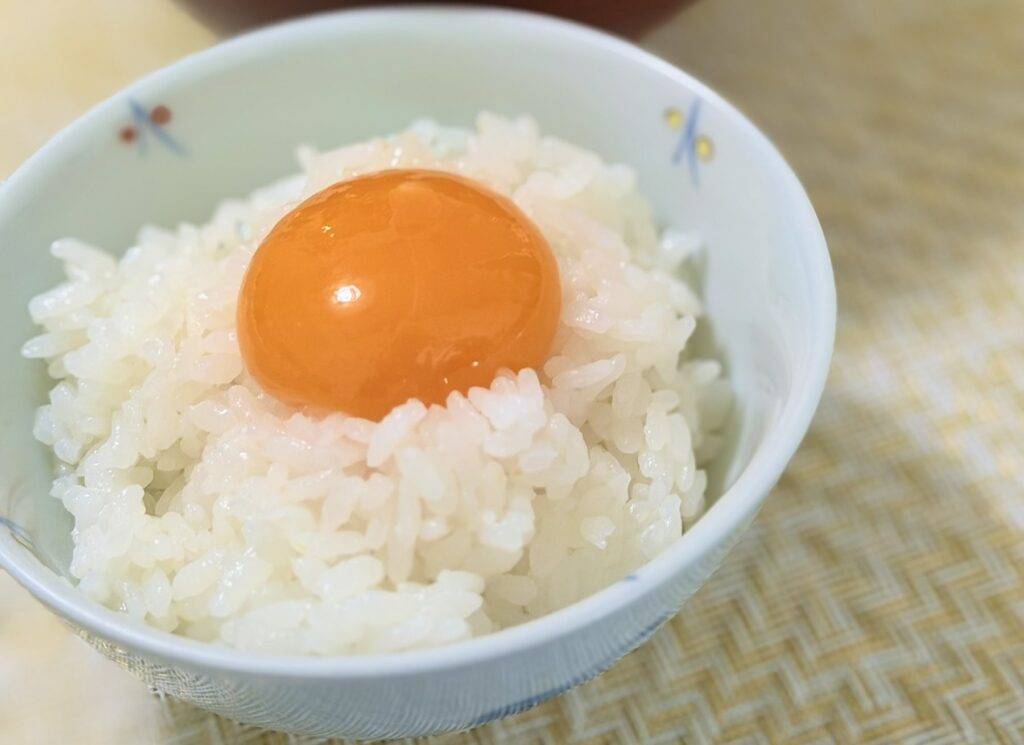
Have you ever seen Japanese people pouring a completely raw egg over a steaming bowl of rice, adding a splash of soy sauce, and devouring it with pure bliss?
This is TKG, one of Japan’s most beloved, affordable, and comforting dishes. To many foreigners, the idea of eating a raw egg might sound risky. But in Japan, it’s a national obsession.
Here is everything you need to know about TKG, why it’s perfectly safe, and where you can try it yourself!
What is TKG?
TKG stands for Tamago (Kake) Gohan, which literally translates to “Egg Rice.”
It is the ultimate Japanese comfort food. The preparation is incredibly simple:
- A bowl of hot, freshly cooked white rice.
- A fresh, raw egg cracked on top.
- A drizzle of soy sauce (or special TKG soy sauce).
You mix it all together until it becomes frothy, creamy, and golden. The heat of the rice slightly warms the egg, creating a rich, velvety texture that melts in your mouth.
Why Can You Safely Eat Raw Eggs in Japan?
In many Western countries, eating raw eggs is discouraged due to the risk of Salmonella. So, why do Japanese people eat them every day without a second thought?
The answer lies in Japan’s ultra-strict food safety standards.
- Rigorous Washing and Sterilization: Before reaching the store, every single egg goes through an advanced automated process where it is washed, sanitized, and scanned for cracks or blood spots.
- Strict Expiration Dates: The “Best Before” date on Japanese egg cartons doesn’t mean when the egg spoils—it indicates the deadline for eating it raw safely. After that date, you can still eat it, but you must cook it first.
- The “Cool Chain” System: Eggs are kept strictly refrigerated from the moment they are laid until they reach the supermarket shelves, preventing bacterial growth.
💡 Fun Fact: Japan’s poultry farms have some of the highest bio-security measures in the world. You can enjoy your TKG with absolute peace of mind!
Where Can You Try TKG in Japan?
You don’t need to go to a luxury restaurant to try TKG. In fact, it’s best enjoyed at casual, everyday eateries. Here is where you can find it:
1. Gyudon (Beef Bowl) Chains
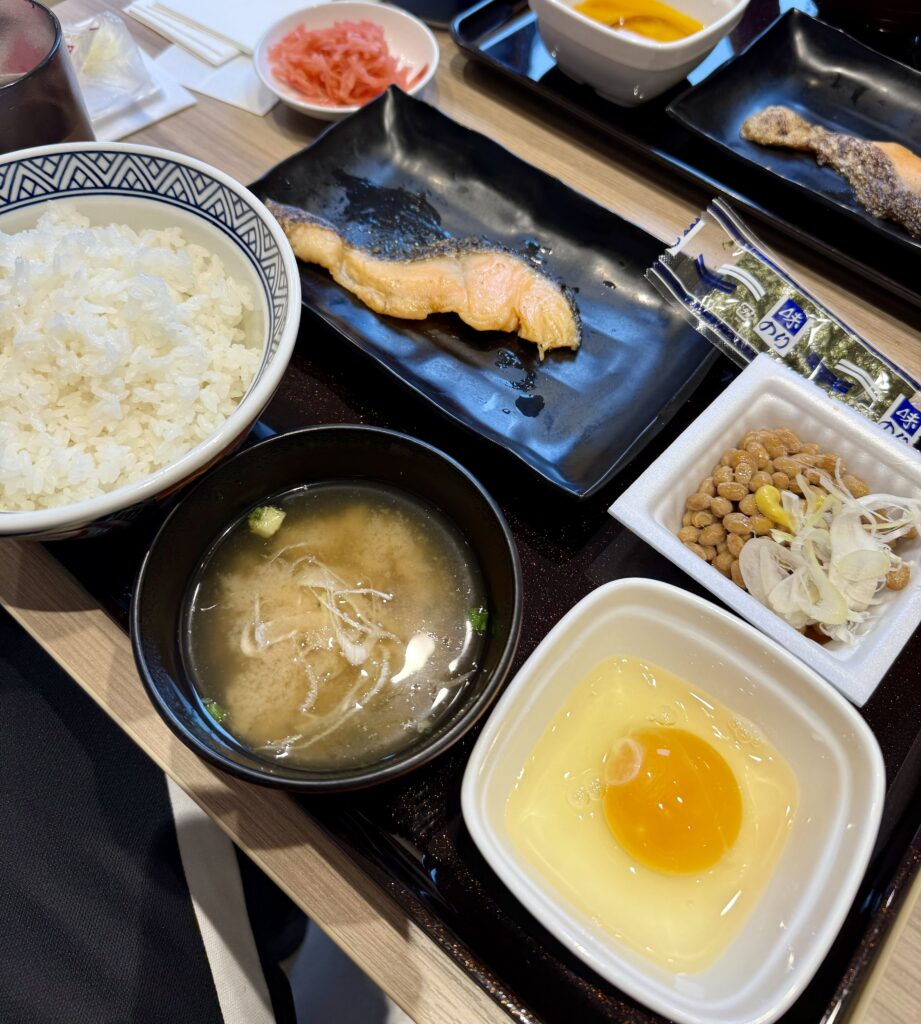
This is the easiest and cheapest place to try TKG, especially for breakfast. Chains like Yoshinoya (吉野家), Sukiya (すき家), and Matsuya (松屋) offer affordable breakfast sets that include rice, miso soup, and a raw egg.
- How to order: Look for the “Asa-teishoku” (Morning Set Menu).
2. Teishoku (Set Meal) Restaurants
Traditional casual restaurants like Yayoi-ken (やよい軒) or local diners (Shokudo) serve well-balanced set meals. You can easily order a raw egg (Nama-tamago) as a side dish to create your own TKG with your meal.
3. Izakaya (Japanese Pubs)
Many Izakayas offer TKG on their “Shime” menu—the final comforting dish eaten at the end of a night of drinking. Some modern Izakayas even serve gourmet versions with toppings like truffle oil, mentaiko (spicy cod roe), or high-end premium eggs with bright orange yolks.
4. TKG Specialty Shops
If you want the ultimate experience, look for a TKG specialty restaurant (such as Kisaburo Nojo in Tokyo). These shops let you choose from different varieties of premium eggs sourced from various chicken breeds across Japan, paired with artisanal soy sauces.
How to Eat TKG Like a Local
Here is a quick step-by-step guide on how to prepare your first TKG:
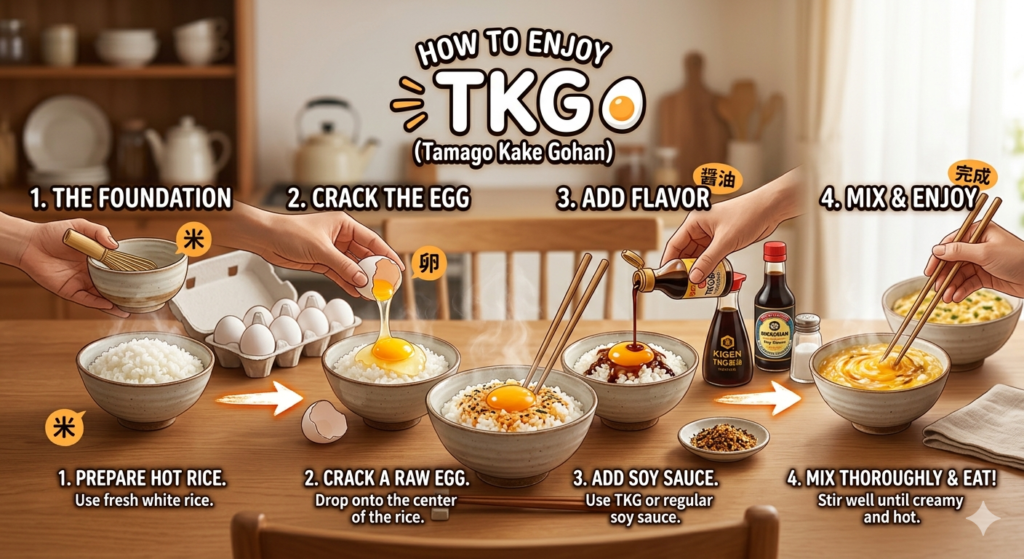
Pro Tip: Don’t over-mix it if you want to taste the distinct texture of the rice and the creaminess of the egg!
Summary: Give it a Try!
TKG might look intimidating at first, but it is a delicious, creamy, and deeply cultural Japanese experience. When you are in Japan, step out of your comfort zone and try a bowl for breakfast. You might just fall in love with it!
Aichi Airport Alcoholic beverage Anime Anime pilgrimage April Architecture August Autumn Building Capital Area Cherry blossom Convenience store February Flower January Japanese food kanto Kinki Kyoto March May Nagoya Nature Nightlife Night view Osaka Photogenic Pink Sakura Shopping Shrine Souvenir Spring Station Summer Superb view Temple Tips Tokai Tokyo Traffic train White Winter

More from my site
 Chiikawa Bakery Osaka: The Ultimate Guide for Visitors
 A Foodie’s Guide to Matsumoto: Top 5 Local Dishes You Must Try
 Depachika Guide: Everything You Need to Know About Japan’s Basement Food Halls
 What is Tebasaki? The Ultimate Nagoya Chicken Wings Guide for Foodies
 What is Teishoku? Japan’s Best Value Meal Explained
 Ise Jingu Travel Guide: What to See, How to Pray & Okage Yokocho