
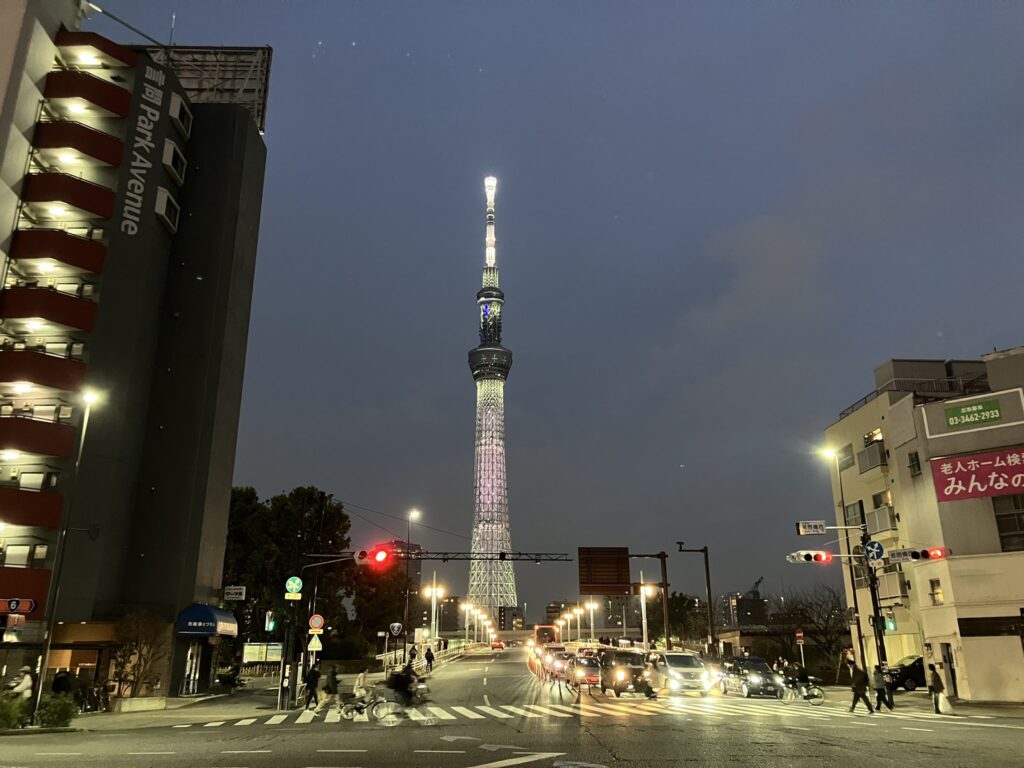
Good news for travelers in Japan — Tokyo Skytree will resume operations on February 26, 2026, after a temporary closure caused by an elevator (EV) system issue.
If you’re currently planning your Tokyo itinerary, here’s what happened — and most importantly:
Is it safe? Yes — extremely safe.
Why Was Tokyo Skytree Closed?
The temporary suspension of operations was due to a malfunction or safety check involving the elevator system.
Tokyo Skytree relies entirely on high-speed elevators to transport visitors to its observation decks at 350m and 450m above ground. When irregularities are detected — even minor ones — operations are immediately halted as a precaution.
Importantly:
- ❌ No accident occurred
- ❌ No injuries were reported
- ❌ No structural issues were found
This was a preventive safety response, not an emergency caused by danger.
Has This Happened Before?
Large-scale observation towers and skyscrapers around the world occasionally suspend elevator service due to:
- Sensor irregularities
- System error detection
- Scheduled or precautionary inspections
- Weather-related adjustments
This is not unusual for super-tall structures. Safety systems are designed to be overly cautious — and that’s a good thing.
Tokyo Skytree has maintained a strong safety record since opening in 2012, with no major elevator-related accidents involving visitors.
Are Elevators Dangerous in Tall Towers?
Short answer: No.
Modern high-rise elevators are among the safest transportation systems in the world.
They include:
- Multiple independent braking systems
- Backup power systems
- Seismic sensors that automatically stop operation during earthquakes
- Real-time monitoring technology
Japan applies particularly strict engineering and safety standards.
Is It Safe Right After Maintenance?
Ironically, immediately after inspections is often when equipment is at its safest.
- Systems have just been tested
- Engineers have confirmed performance
- Minor irregularities have been corrected
- Monitoring systems are freshly calibrated
From a safety perspective, reopening after inspection often means the facility is in peak condition.
Final Verdict: Extremely Safe
The temporary closure demonstrates that safety is the top priority.
There was no accident, no injuries, and no structural danger. With inspections completed, February 26, 2026 may be one of the safest times to visit.
Enjoy the spectacular Tokyo skyline — with complete peace of mind.
Aichi Airport Alcoholic beverage Anime Anime pilgrimage April Architecture August Autumn Building Capital Area Cherry blossom Convenience store February Flower January Japanese food kanto Kinki Kyoto March May Nagoya Nature Nightlife Night view Osaka Photogenic Pink Sakura Shopping Shrine Souvenir Spring Station Summer Superb view Temple Tips Tokai Tokyo Traffic train White Winter

More from my site
 Tokyo Skytree Guide: History, Views, Access & How to Save 10% on Tickets
 Complete Guide to SHIBUYA SKY Tokyo: Tickets, Rules & Best Time
 Daikanyama’s New Icon: Dior Bamboo Pavilion
 Kokudō Station: A Time Capsule in Yokohama That Feels Like Another World
 Japan From Above: The Ultimate Top 50 Skyscraper Ranking
 Nigatsu-do at Todai-ji: Nara’s Hidden Sunset Spot and 1,250-Year History