
Located in Nagano Prefecture at the foot of the Japanese Alps, Matsumoto is famous for its majestic 16th-century national treasure, Matsumoto Castle. Beyond its rich samurai history, Matsumoto boasts a vibrant culinary culture powered by crystal-clear alpine spring water and severe seasonal temperature drops.
Whether you are exploring the historic castle grounds or wandering through the atmospheric Nakamachi District, here are the top 5 must-try local specialties (soul foods) in Matsumoto, complete with food allergen information and local dining tips.
Quick Guide: Matsumoto Local Specialties
| Dish Name | Japanese Name | Key Flavors & Ingredients | Ideal For / Average Price | Dietary & Allergy Notes |
| Shinshu Soba | 信州そば | Nutty, refreshing handmade buckwheat noodles served hot or cold. | Lunch near Castle or Nawate St. / ¥1,000–¥1,800 | ⚠️ Buckwheat allergy. 100% Buckwheat (Juciwari) is gluten-free. |
| Sanzokuyaki | 山賊焼き | Huge crispy garlic-soy fried chicken thigh or breast served with cabbage. | Hearty dinner or pub snack / ¥1,200–¥1,800 | Contains soy, garlic, wheat. High-protein, high-energy. |
| Shinshu Oyaki | おやき | Steamed/baked dough buns stuffed with local vegetables or sweet bean paste. | Walking street food / ¥200–¥350 | Great vegetarian options (Nozawana, Pumpkin, Red Bean). Contains wheat. |
| Local Sake & Craft Beer | 地酒・クラフトビール | Crisp sake brewed with alpine runoff & fresh local craft beers. | Izakaya evening / ¥800–¥1,500 per drink | Contains alcohol (Legal age in Japan is 20). |
| Milk Bread | 牛乳パン | Fluffy thick-cut retro sandwich bread filled with sweet, rich milk cream. | Morning snack or train food / ¥300–¥450 | Contains dairy, wheat. Retro package design. |
1. Shinshu Soba (Shinshu Buckwheat Noodles)
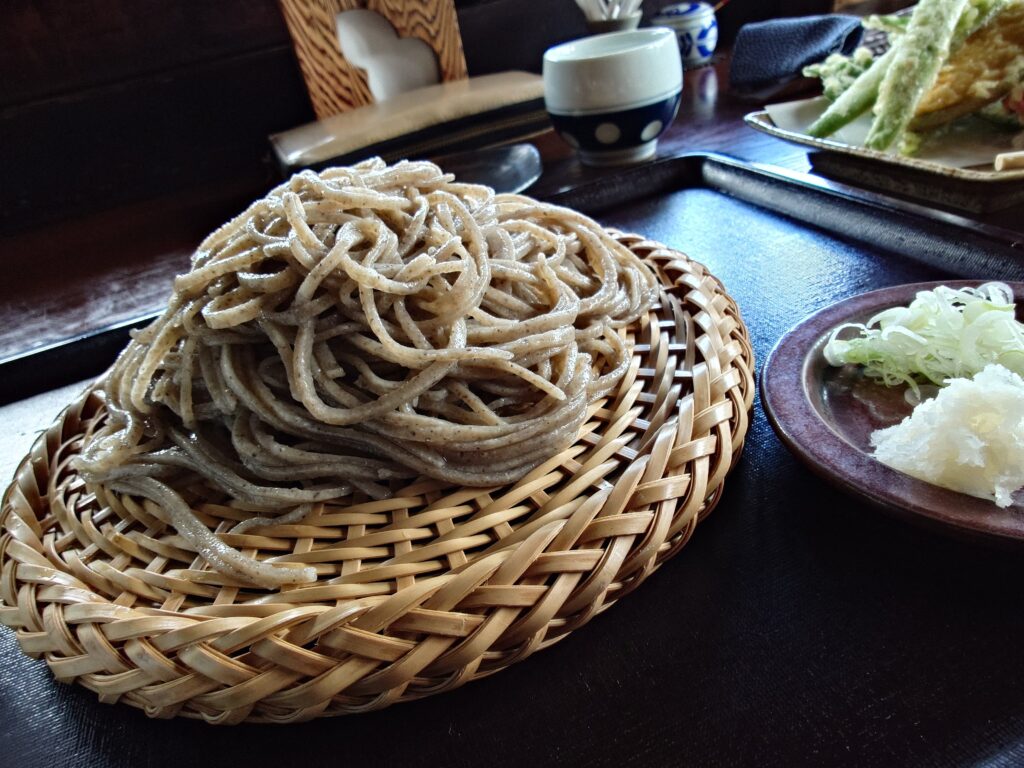
Nagano Prefecture (historically known as Shinshu) produces Japan’s most celebrated buckwheat noodles. Matsumoto’s elevation and significant temperature swings nurture high-grade buckwheat seeds, while its pure snowmelt groundwater cools and firms the noodles after boiling.
- How to Eat Like a Local: For cold Zaru Soba, dip the noodles halfway into the soy-based dipping sauce (Tsuyu) to savor the natural earthy aroma. Once finished, pour the provided hot noodle cooking water (Soba-yu) into your leftover sauce to enjoy as a savory broth.
- Gluten-Free Tip: Ask for “Juciwari Soba” (十割そば), which is made from 100% pure buckwheat flour without added wheat binder.
2. Sanzokuyaki (Mountain Bandit Fried Chicken)
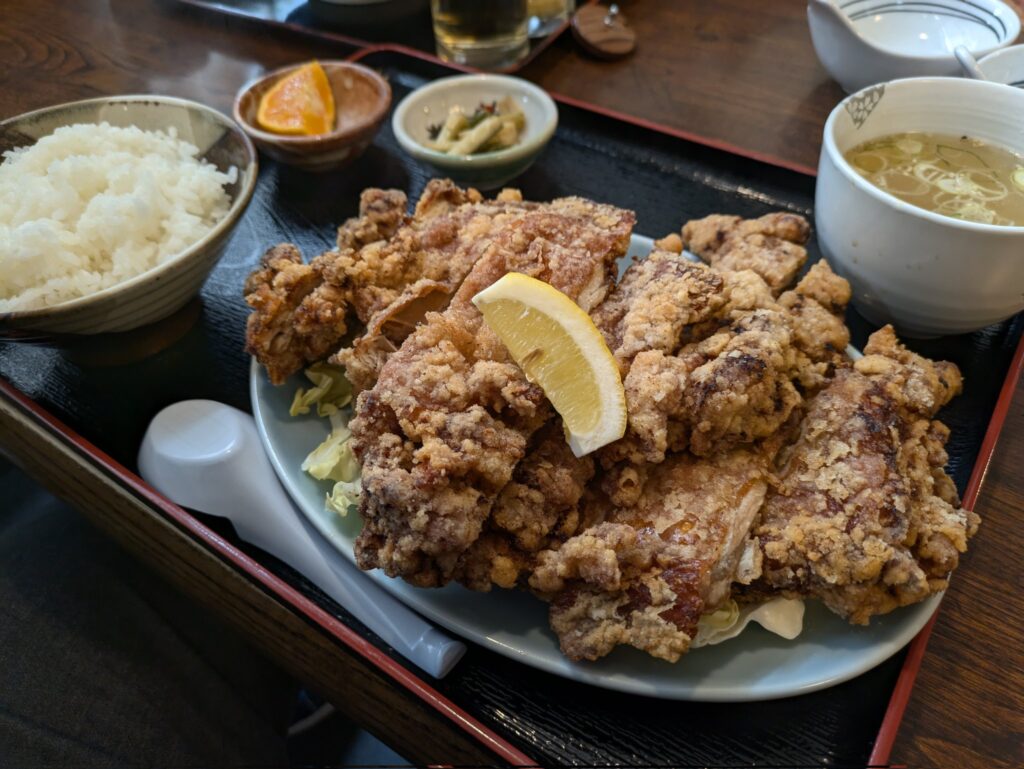
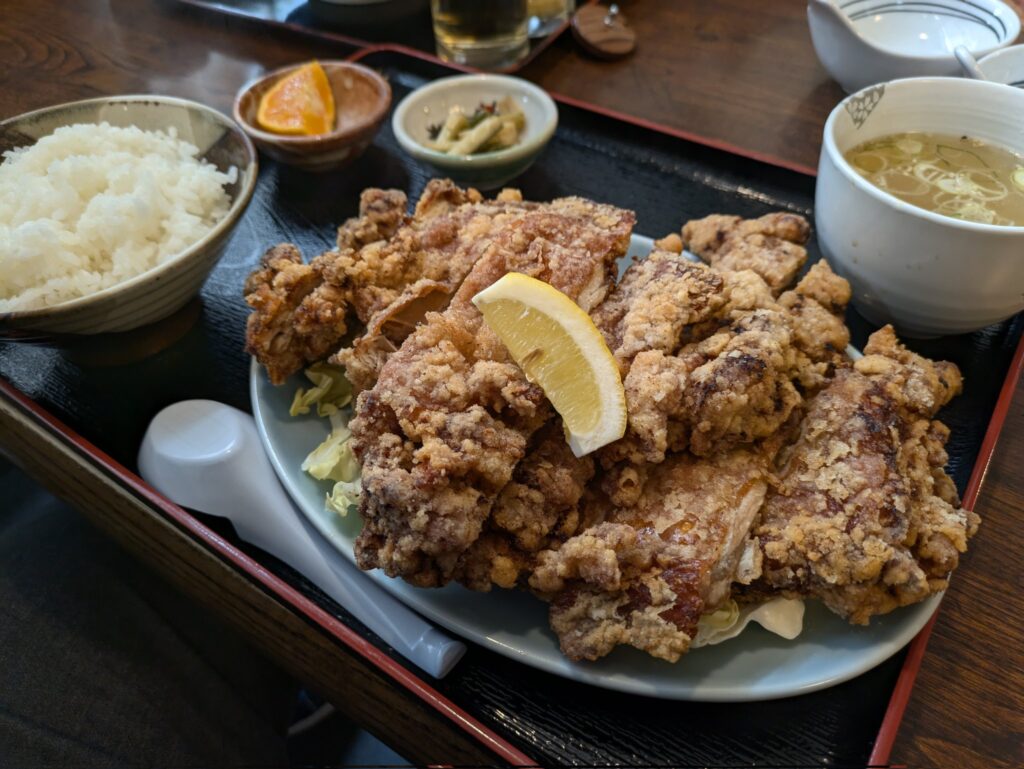
Despite having the word “Yaki” (which usually means grilled), Sanzokuyaki is actually a giant, crispy fried chicken cutlet. A whole chicken thigh or breast is marinated in garlic, soy sauce, and onion, coated in potato starch, and deep-fried to golden perfection.
- The Origin Story: Local folklore says the name comes from mountain bandits (Sanzoku) who would “take away” (Torikomu) goods from travelers—a Japanese wordplay on “frying chicken” (Tori-age).
- Why You’ll Love It: The exterior is extra crunchy while the meat inside stays intensely juicy. It is traditionally served with raw shredded cabbage to balance the rich garlic flavor, making it the ultimate pairing with a cold beer.
3. Local Sake & Craft Beer (Alpine-Sourced Drinks)
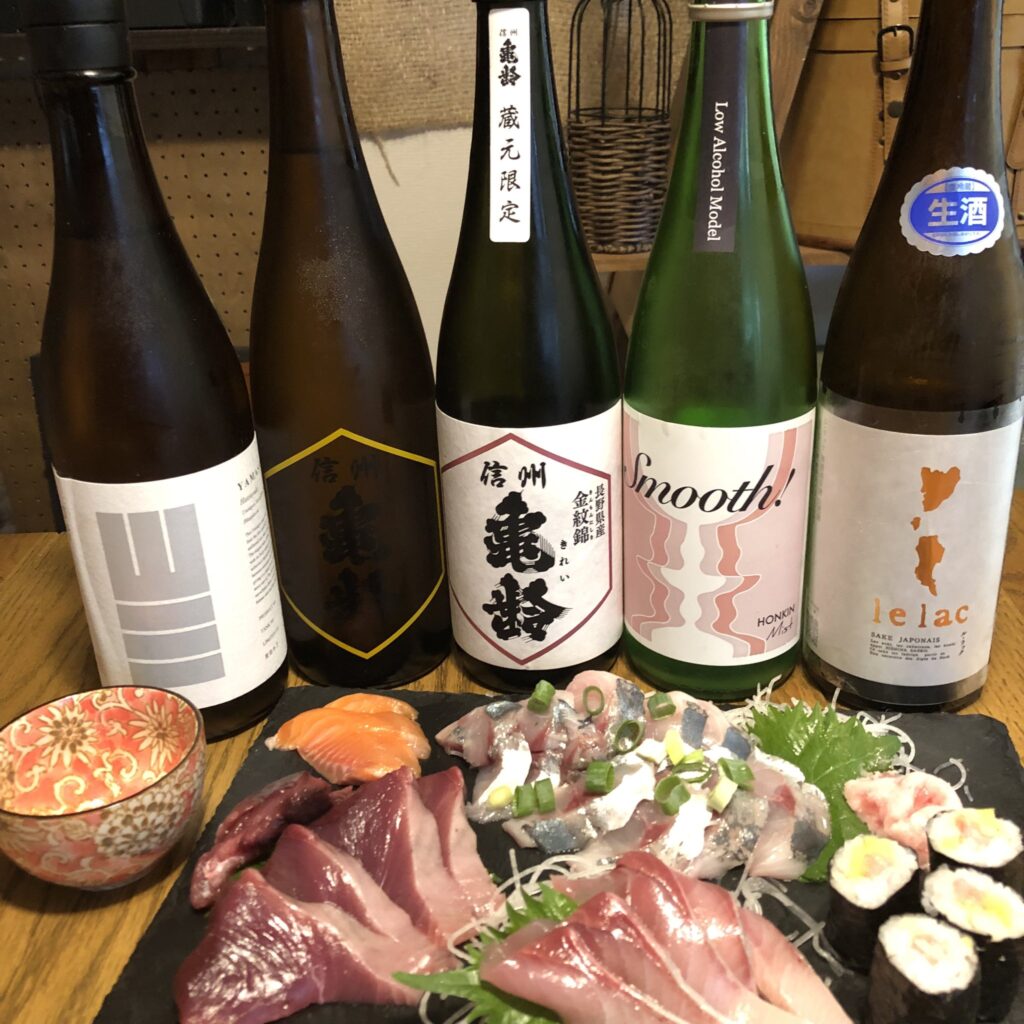
Matsumoto is famous across Japan as a “City of Water.” Clear melting snow filtering down from the Northern Alps fuels historic local sake breweries and innovative craft microbreweries throughout the city.
- Shinshu Sake: Clean, dry, and crisp with a smooth finish that highlights local rice strains.
- Matsumoto Craft Beer: Check out local brewpubs around the Metoba River and Nakamachi-dori, serving fresh IPA, Stout, and Pale Ales infused with local ingredients.
4. Shinshu Oyaki (Stuffed Steamed Buns)
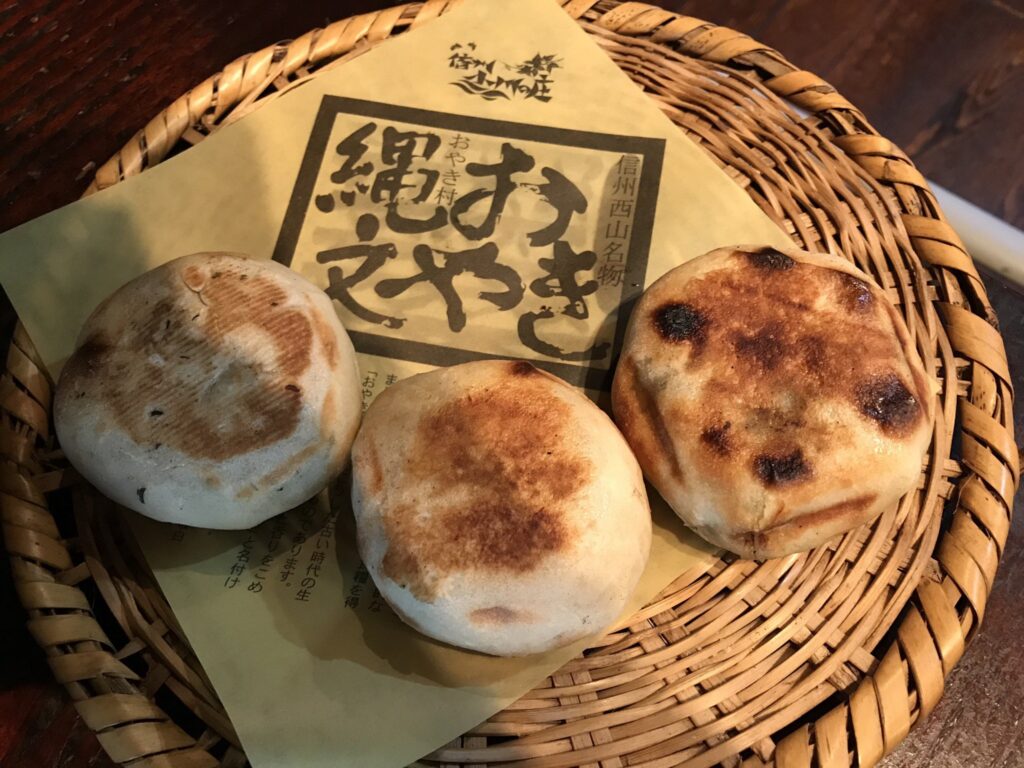
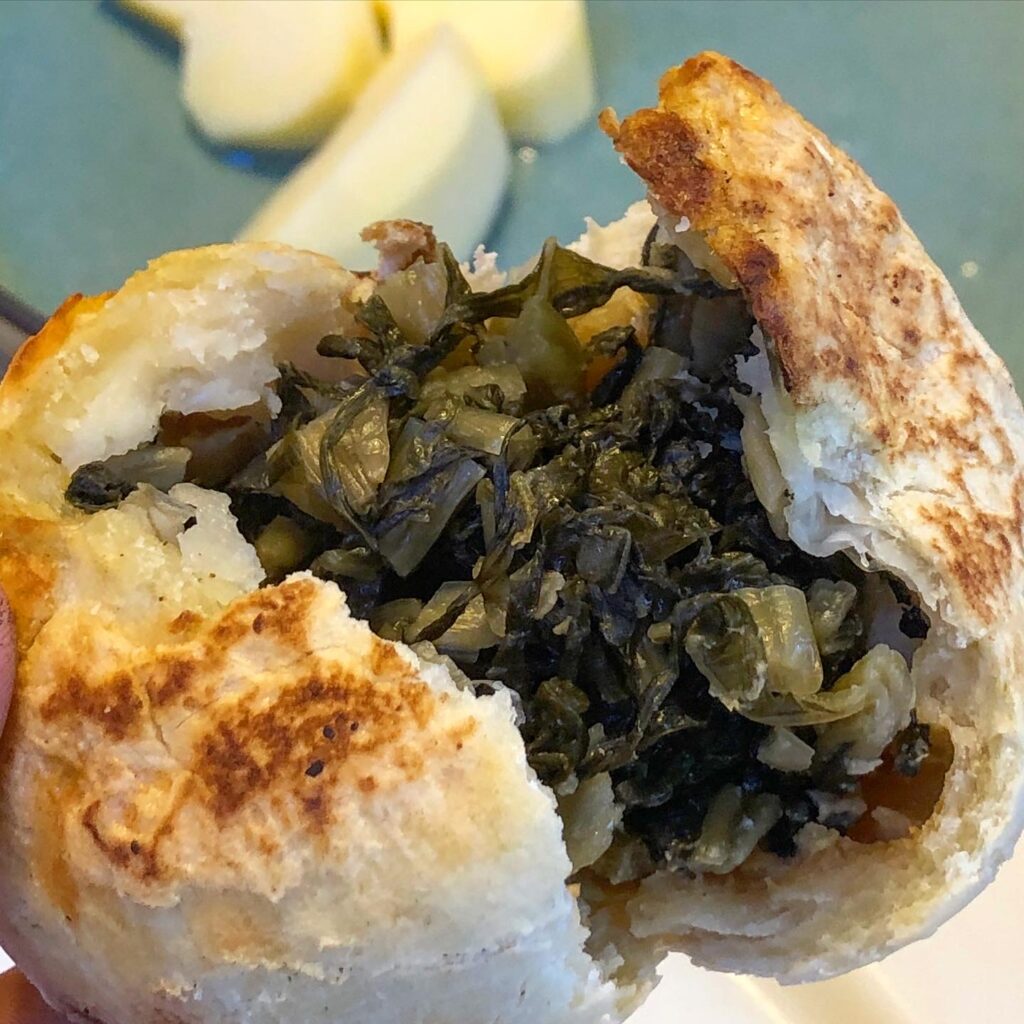
Oyaki are rustic Japanese dumplings made from a wheat and buckwheat flour dough wrapper filled with savory or sweet fillings, then steamed, pan-fried, or baked. They served as a vital staple food for mountain villagers during cold winters.
- Popular Fillings:
- Nozawana (野沢菜): Pickled local mustard greens; savory, slightly salty, and crunchy.
- Anko (粒あん): Sweet red bean paste (a favorite for dessert).
- Kabocha (かぼちゃ): Sweet Japanese pumpkin.
- Traveler Tip: Oyaki buns are easy to carry and make a satisfying vegetarian snack while exploring Nawate Street (Frog Street) or Matsumoto Castle park.
5. Milk Bread / Gyunyu Pan (Retro Sweet Cream Snack)
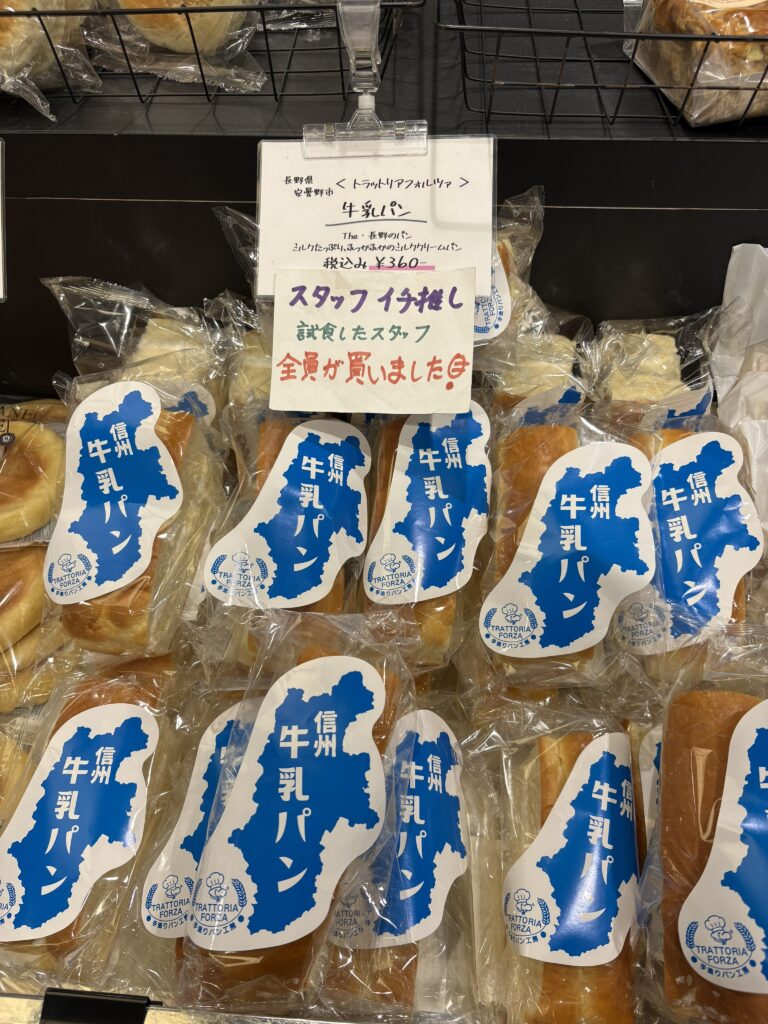
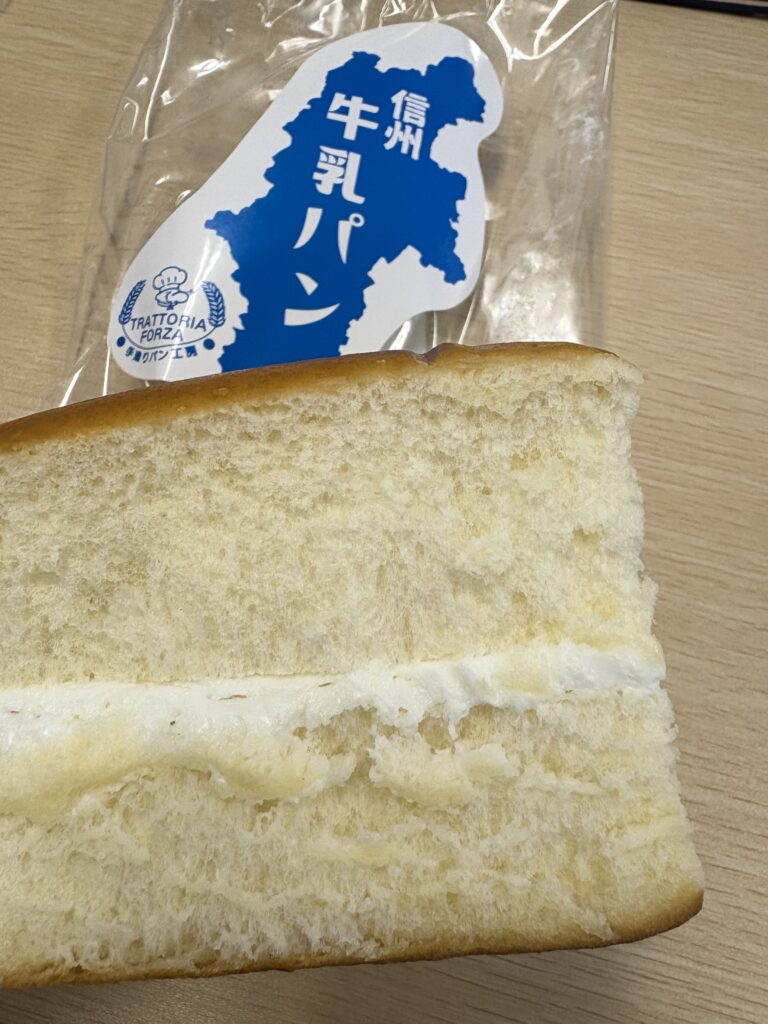
Loved by locals for generations, Gyunyu Pan (Milk Bread) is a iconic Naganean bakery treat. It consists of two thick, ultra-soft slices of white bread heavily filled with a thick layer of fluffy, sweet milk cream.
- Highlights: The charmingly nostalgic packaging—often featuring simple retro illustrations—makes it popular on social media.
- Where to Buy: Grab one at local bakeries near Matsumoto Station or at local supermarkets for a light breakfast or train snack on your way to Nagano or Tokyo.
Essential Travel & Dining Tips for Foreign Visitors in Matsumoto
- Vegetarian & Vegan Friendly: Oyaki stuffed with Nozawana (pickled greens) or pumpkin are often vegetarian-friendly. For Soba, note that traditional dipping sauce (Tsuyu) contains bonito fish broth (Dashi); ask for Vegetarian Tsuyu if available.
- Payment: While major restaurants around Matsumoto Station accept credit cards and IC cards (Suica/Pasmo), smaller historic bakeries and street food stalls near Nawate Street remain cash-preferred.
- English Menus: Most popular eateries around Matsumoto Castle provide English menus or picture menus. Pointing and using simple phrases like “Kore o kudasai” (Please give me this) works smoothly.
Aichi Airport Alcoholic beverage Anime Anime pilgrimage April Architecture August Autumn Building Capital Area Cherry blossom Convenience store February Flower January Japanese food kanto Kinki Kyoto March May Nagoya Nature Nightlife Night view Osaka Photogenic Pink Sakura Shopping Shrine Souvenir Spring Station Summer Superb view Temple Tips Tokai Tokyo Traffic train White Winter
More from my site
 Only in the world? Monkeys taking a hot spring!!
 Chiikawa Bakery Osaka: The Ultimate Guide for Visitors
 Depachika Guide: Everything You Need to Know About Japan’s Basement Food Halls
 What is Tebasaki? The Ultimate Nagoya Chicken Wings Guide for Foodies
 What is Teishoku? Japan’s Best Value Meal Explained
 Ise Jingu Travel Guide: What to See, How to Pray & Okage Yokocho