
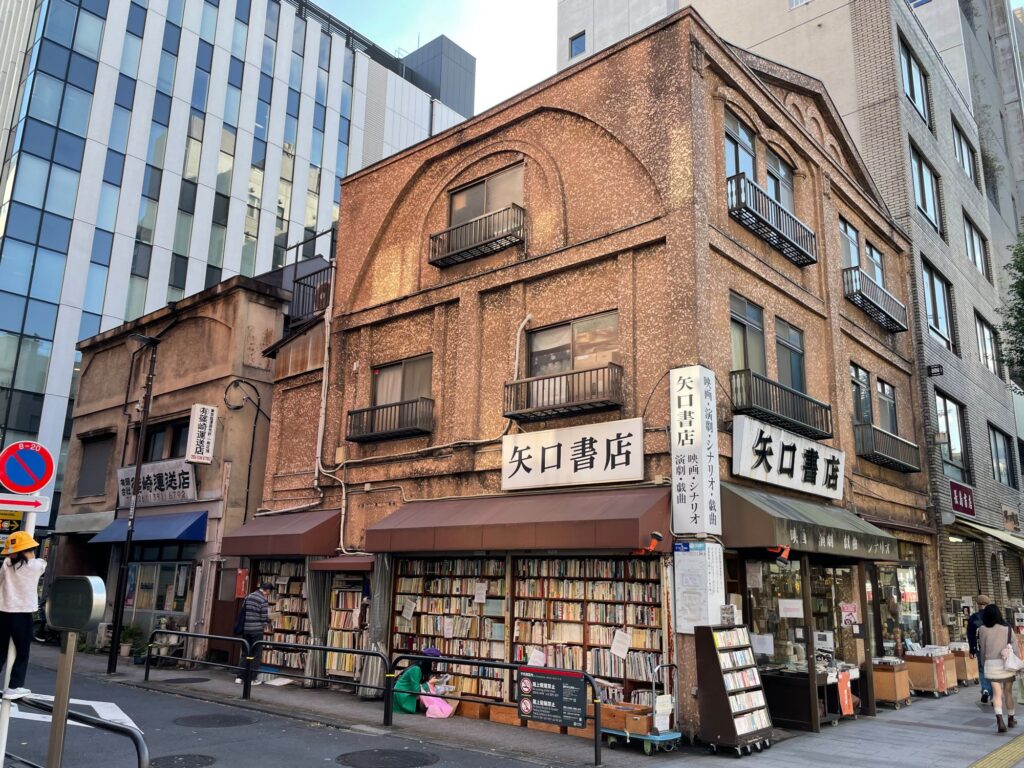
Located in Chiyoda Ward, Tokyo, Jinbocho (also spelled Jimbocho) is home to world-renowned antiquarian bookshops. With roughly 130 to 150 bookstores lining its avenues, this historic neighborhood offers an extraordinary cultural journey for international travelers seeking hidden gems in Japan.
Even if you cannot read a word of Japanese, Jinbocho is an essential stop. From traditional hand-bound volumes and vivid woodblock prints to retro cafes and legendary curry spots, here is why Jinbocho deserves a top place on your Tokyo itinerary.
1. Why Jinbocho is a Must-Visit destination
Jinbocho offers an authentic cultural atmosphere unlike anywhere else in Tokyo.
- A Historic Book Town Unique in the WorldDeveloping as a student and academic quarter since the Meiji period, Jinbocho’s shops each specialize in distinct subjects—ranging from fine arts, photography, and cinema to woodblock prints and rare English titles. Walking through these streets feels like visiting an open-air museum.
- A Blend of Nostalgic Retro Culture and Comfort FoodBetween browsing bookstores, you can pause at a traditional Showa-era Kissaten (retro Japanese coffee shop) or enjoy a steaming bowl of Jinbocho’s famous Japanese curry. The harmony of books, coffee, and curry defines the neighborhood’s timeless lifestyle.
- Specialized English and Visual BookshopsYou do not need to speak Japanese to enjoy Jinbocho. Stores such as Kitazawa Books carry tens of thousands of English titles, while shops like Komiyama Tokyo specialize in art, photography, fashion, and vintage graphic design.
2. The Timeless Appeal of Traditional Japanese Books (Wahon) and Woodblock Prints
Many travelers assume bookstores are off-limits due to the language barrier. However, traditional Japanese publishing—known as Wahon—is celebrated globally as visual art.
3 Key Attractions of Classical Japanese Books
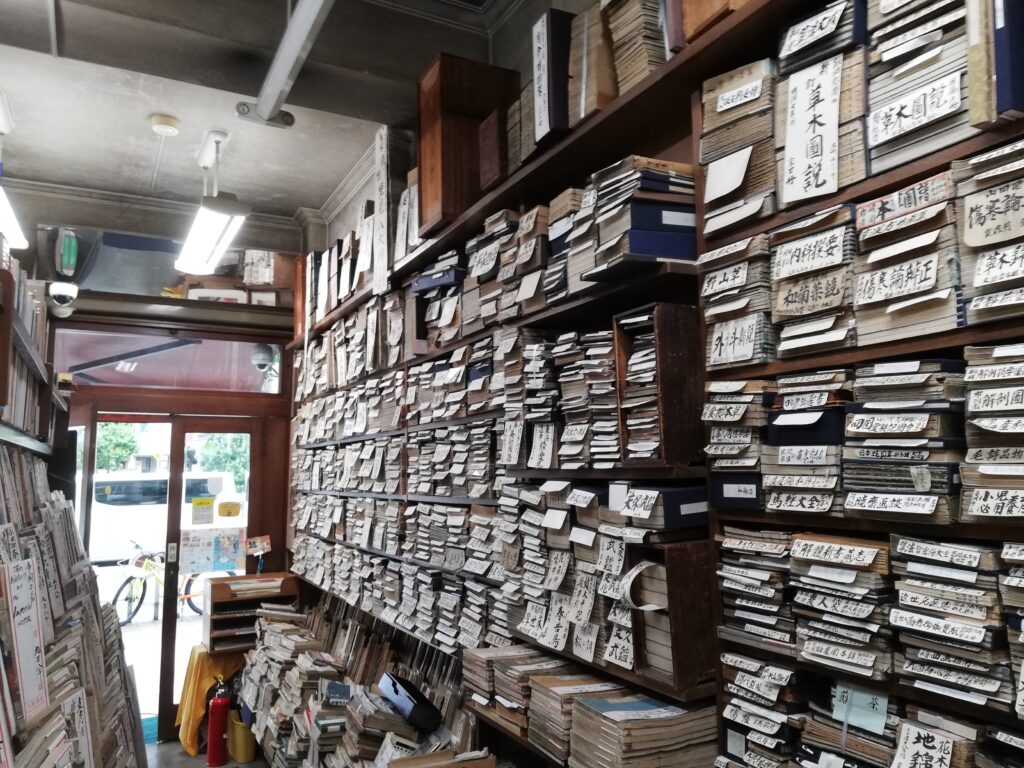
- The Artistry of Wahon (Japanese Hand-Binding) and Washi PaperCrafted from the Edo period through the early Meiji period, classical books were individually hand-sewn using durable washi (handmade mulberry paper). Even after centuries, these books remain supple and beautiful, offering a tactile sensation unlike modern hardcovers.
- Vivid Colors of Woodblock Prints (Ukiyo-e)Illustrated guides, Edo-period folklore books, and original Ukiyo-e woodblock prints invite visitors to experience history through art rather than text.
- One-of-a-Kind Historical StoriesUnlike mass-produced modern paperbacks, antique books and maps in Jinbocho carry history within their pages. Many bear original seals, handwritten notes, or collector stamps from centuries past.
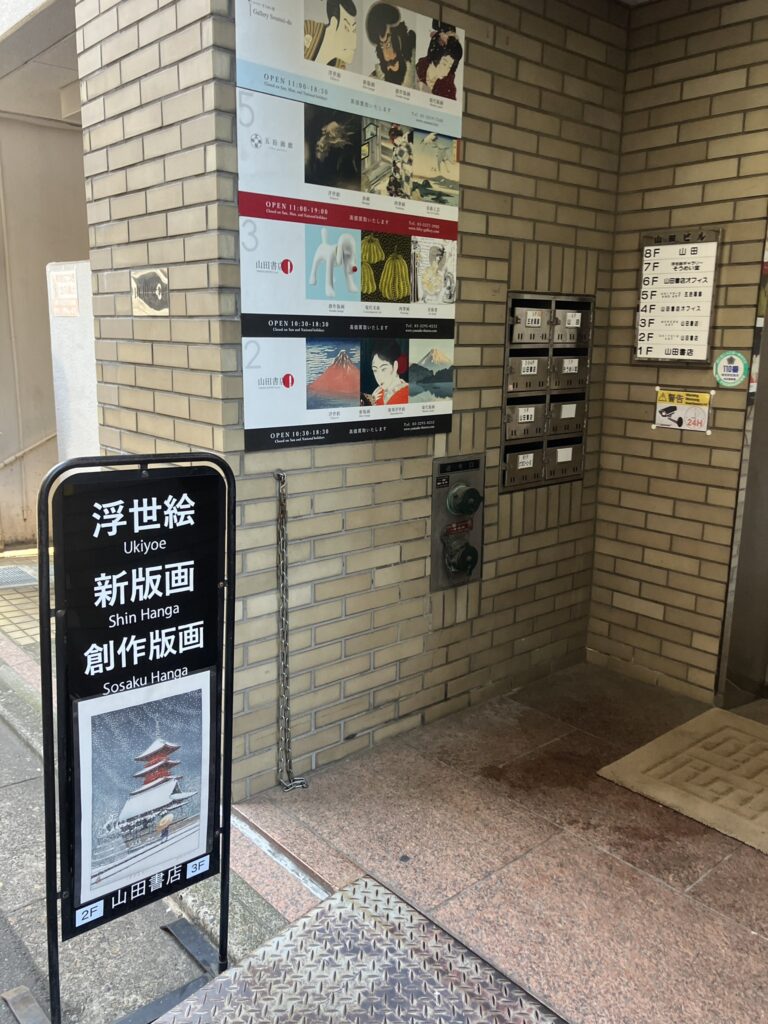
3. Why Antique Japanese Books and Prints Make the Ultimate Souvenir
Finding the right gift to bring home can be challenging. Antique paper art from Jinbocho solves common travel logistics while offering deep cultural value.
| Benefit | Why It Makes a Perfect Souvenir |
| Lightweight & Easy to Pack | Prints, maps, and small hand-bound booklets lie flat in your luggage, taking up minimal space and adding virtually no weight. |
| Budget-Friendly Options | While museum-grade antiques exist, vendors also offer authentic vintage prints and postcards starting from just a few hundred to a few thousand yen. |
| Elegant Home Decor | Framing a woodblock print or vintage map at home effortlessly adds a sophisticated Japandi (Japanese-Scandinavian) touch to modern interiors. |
| A True One-of-a-Kind Gift | Unlike mass-market trinkets or airport snacks, an antique print or classic book is a authentic piece of Japanese history. |
4. Top 4 Recommended Bookstores for Foreign Visitors
Here are four accessible, highly regarded bookstores in Jinbocho that cater well to international visitors:
- Ohya Shobo (大屋書房)
- Specialty: Edo-period books, antique maps, monster/folklore illustrations, and Ukiyo-e prints.
- Highlight: A rare chance to hold and examine real centuries-old Japanese woodblock art. They also carry affordable original prints and vintage postcards ideal for gifts.
- Kitazawa Books (北沢書店)
- Specialty: English and European literature, humanities, and rare Western antiquarian books.
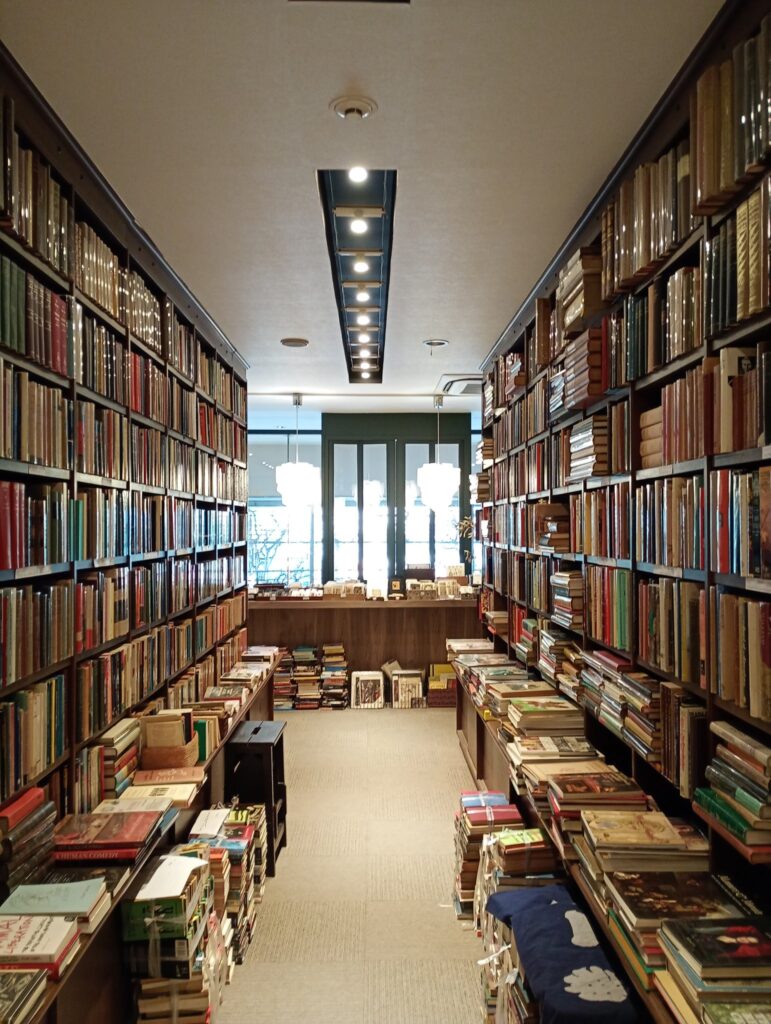
- Highlight: Founded in 1902, this shop features a magnificent library-style interior lined with thousands of vintage English volumes.
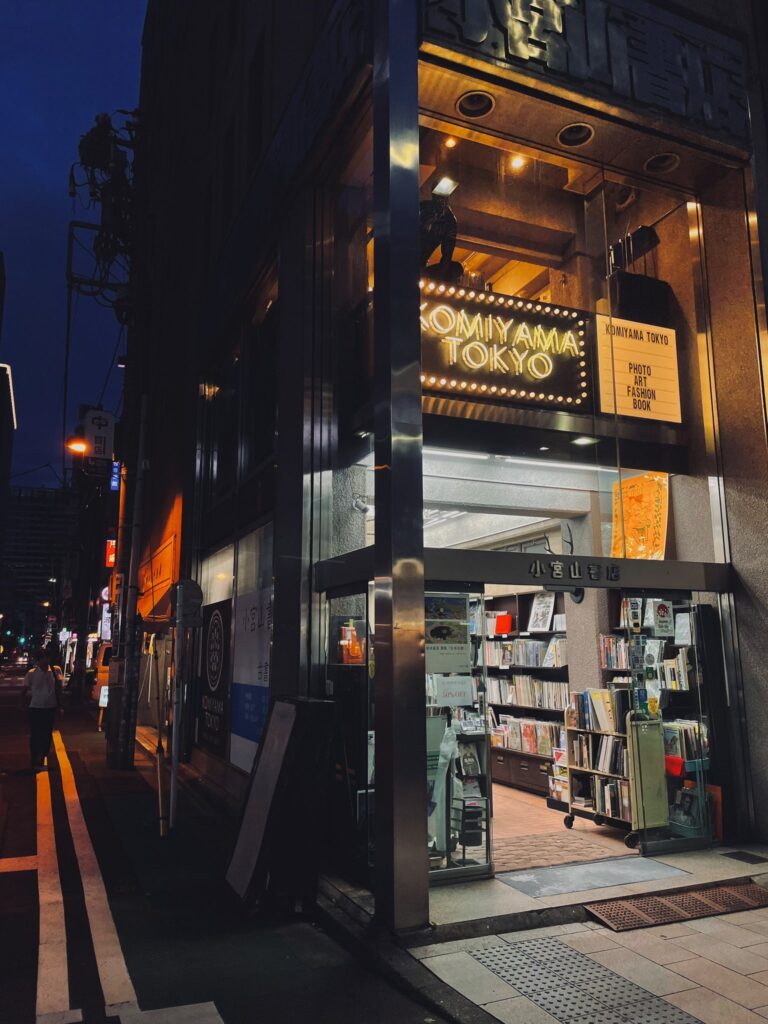
- Komiyama Tokyo (小宮山書店)
- Specialty: Fine art, photography, fashion, subculture, and visual design.
- Highlight: Multi-story browsing dedicated to modern visual art, classic Japanese photography books, and vintage pop culture posters.
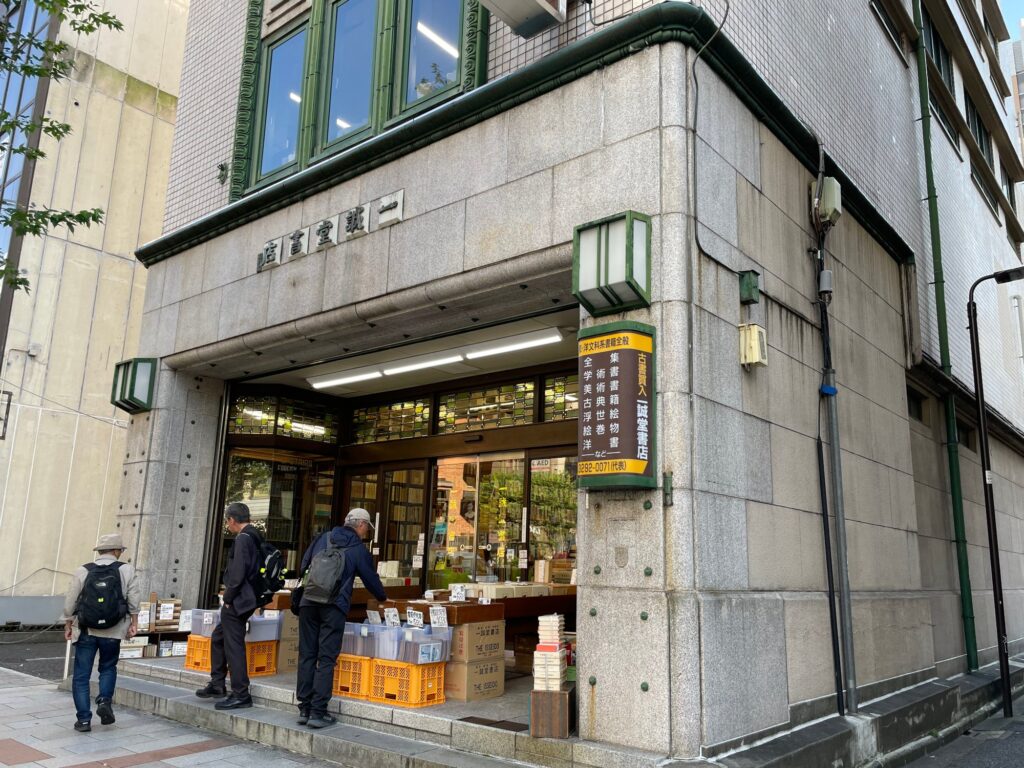
- Isseido Shoten (一誠堂書店)
- Specialty: Classical manuscripts, fine arts, rare collectibles, and foreign language antiquarian books.
- Highlight: Established in 1903, the first floor houses classic Japanese items while the second floor features rare Western books.
5. Practical Tips for Visiting Jinbocho
- Check Store Hours and DaysMany antiquarian bookstores in Jinbocho are closed on Sundays and national holidays. Shops generally open around 10:00 AM or 11:00 AM. The best time to visit is weekday afternoons or Saturday midday.
- Handling Antique ItemsDelicate paper products should be handled with care. Ensure your hands are clean and ask for permission before lifting fragile prints or rare books. Eating or drinking inside stores is strictly prohibited.
- Grab an English MapFree neighborhood maps with English translations are available at information racks near Jinbocho Station exit kiosks and within larger bookstores.
Aichi Airport Alcoholic beverage Anime Anime pilgrimage April Architecture August Autumn Building Capital Area Cherry blossom Convenience store February Flower Instagrammable January Japanese food Kinki Kyoto March May Nagoya Nature Nightlife Night view October Osaka Photogenic Pink Shopping Shrine Souvenir Spring Station Summer Superb view Temple Tips Tokai Tokyo Torii Traffic train Winter

More from my site
 Pokemon Center Mega Tokyo: Reopening Guide & Location
 The Ultimate Guide to Buying Cosmetics in Japan (2026 Edition)
 Gourmet Supermarkets in Tokyo: The Ultimate Guide for Foodie Travelers
 Temporary Closure of Pokémon Center Mega Tokyo & Pikachu Sweets
 Kappabashi Dougu Street Guide: How to Shop for Japanese Kitchenware in Tokyo
 Daikanyama’s New Icon: Dior Bamboo Pavilion