
What is a Depachika?
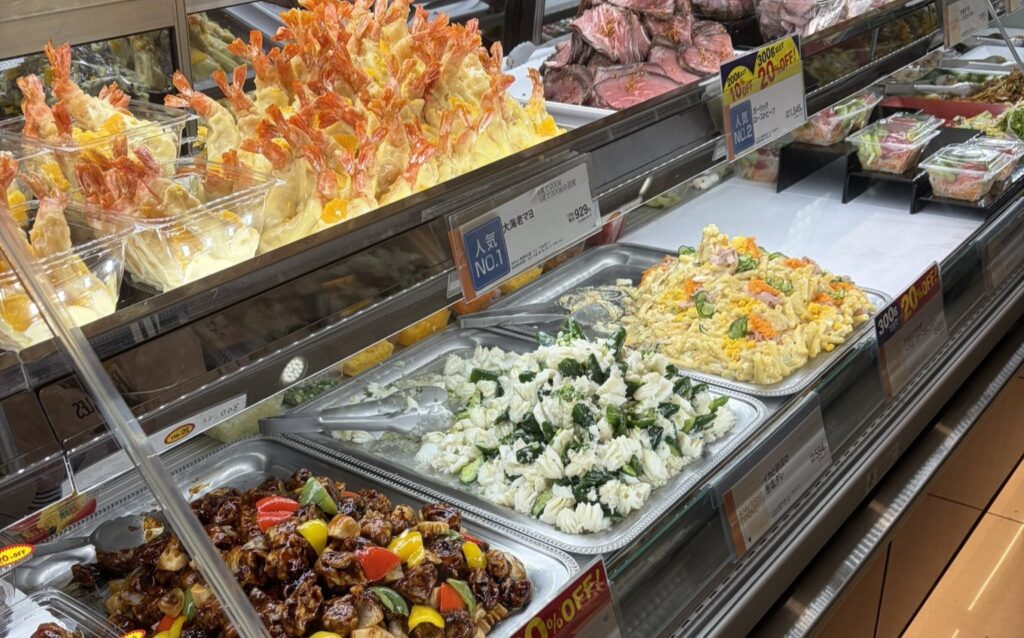
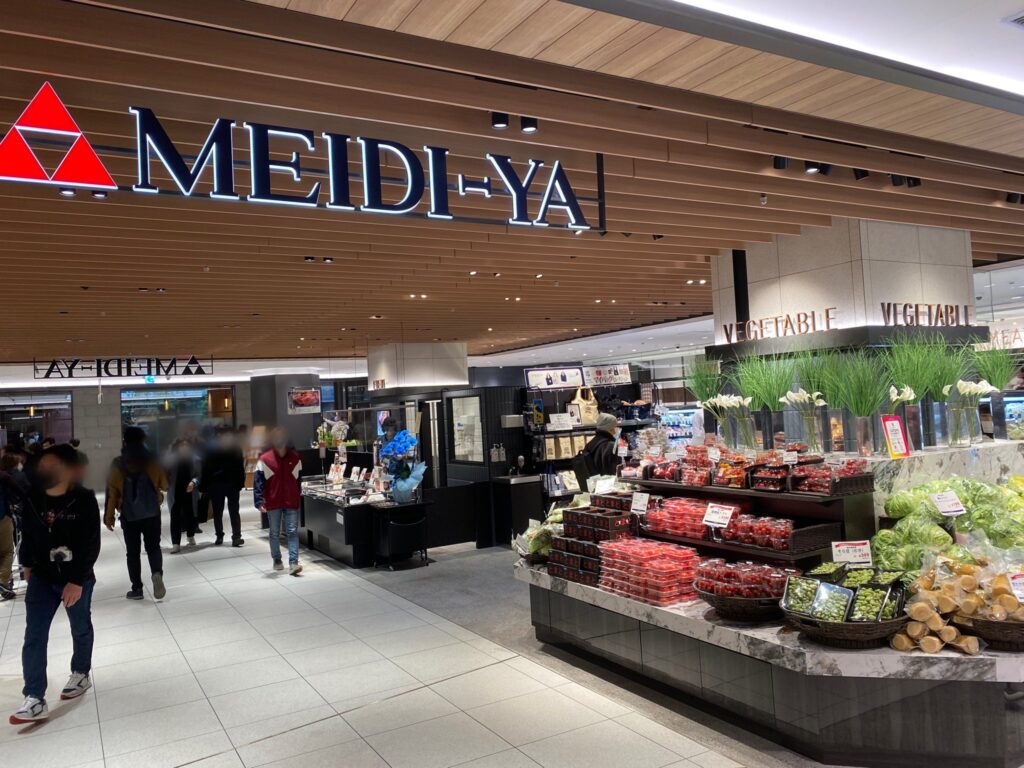
A depachika (デパ地下) is a gourmet food hall located in the basement levels (usually B1 and B2) of Japanese department stores (depato). The name is a portmanteau of depato (department store) and chika (basement).
Unlike standard food courts found in Western shopping malls, depachika are high-end culinary markets focused on premium takeaway food. They feature an astounding variety of options:
- Luxury bento boxes curated by Michelin-starred restaurants
- Freshly prepared savory deli dishes (osozai)
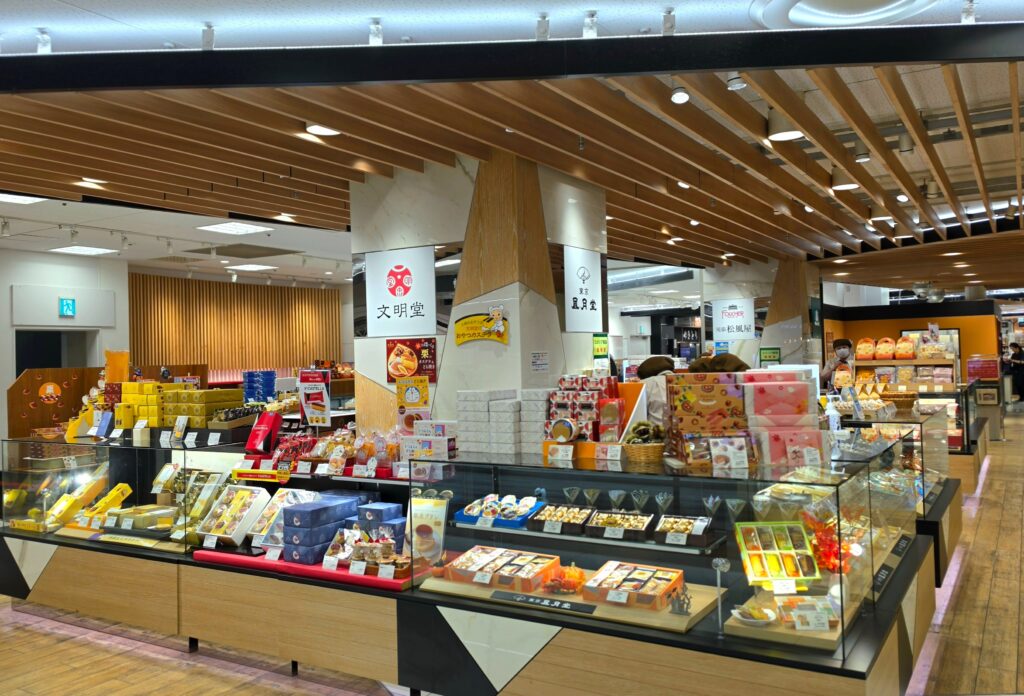
- Artisanal traditional Japanese sweets (wagashi)
- Exquisite French and European pastries (yogashi)
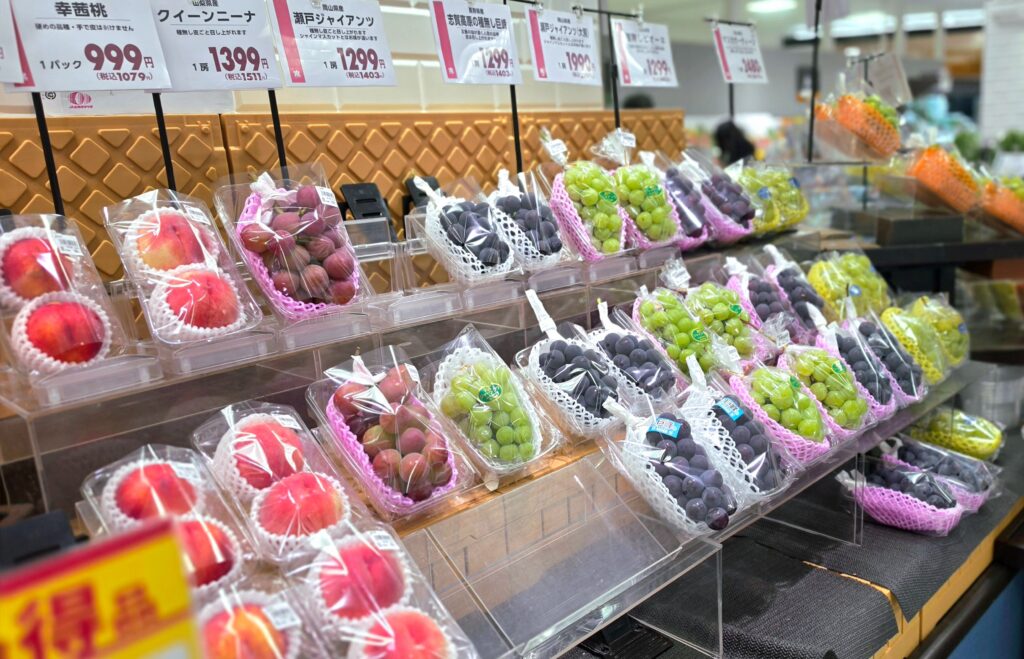
- Premium seasonal fruit presented like fine jewelry
For travelers, a visit to a depachika offers an unmatched look into daily Japanese food culture and a convenient way to sample top-tier Japanese cooking at accessible price points.
Key Highlights: What to Buy at a Depachika
| Category | What You’ll Find | Average Price Range | Must-Try Example |
|---|---|---|---|
| Gourmet Bento | Multi-course meals in a portable box | ¥1,000 – ¥3,500 | Unagi (Eel) over rice, A5 Wagyu beef bento |
| Osozai (Deli Side Dishes) | Freshly fried or grilled savory portions | ¥300 – ¥800 per 100g | Tonkatsu, Yakitori, Croquettes (korokke) |
| Wagashi (Japanese Sweets) | Seasonal, traditional rice and bean paste treats | ¥200 – ¥600 per piece | Matcha daifuku, Fresh fruit mochi |
| Yogashi (Western Sweets) | Japanese-adapted French and European pastries | ¥500 – ¥1,200 per slice | Strawberry Shortcake, Chestnut Mont Blanc |
| Luxury Fruit | Flawless, farm-monitored gift fruit | ¥3,000 – ¥20,000+ | Crown Melon, White Strawberries |
How to Navigate a Depachika Like a Local
1. Understand the Floor Plan
Depachika layouts are typically split into two distinct areas:
- Confectionery Zone: Houses counter after counter of individual sweet shops selling packaged gift boxes (omiyage), seasonal cakes, and traditional sweets.
- Savoriness / Delicatessen Zone: Features warm entrees, bento counters, sushi and sashimi stalls, and fresh meat or seafood displays.
2. Pay Attention to Weight Pricing
Deli food (osozai) and salad stalls often price items by weight rather than by piece. Look for signs marked 100g (百グラム / hyaku-gramu).
Useful Phrase:
“Ni-hyaku gramu, ogei-shimasu” (200 grams, please).
3. Take Advantage of Evening Discounts (Time Service)
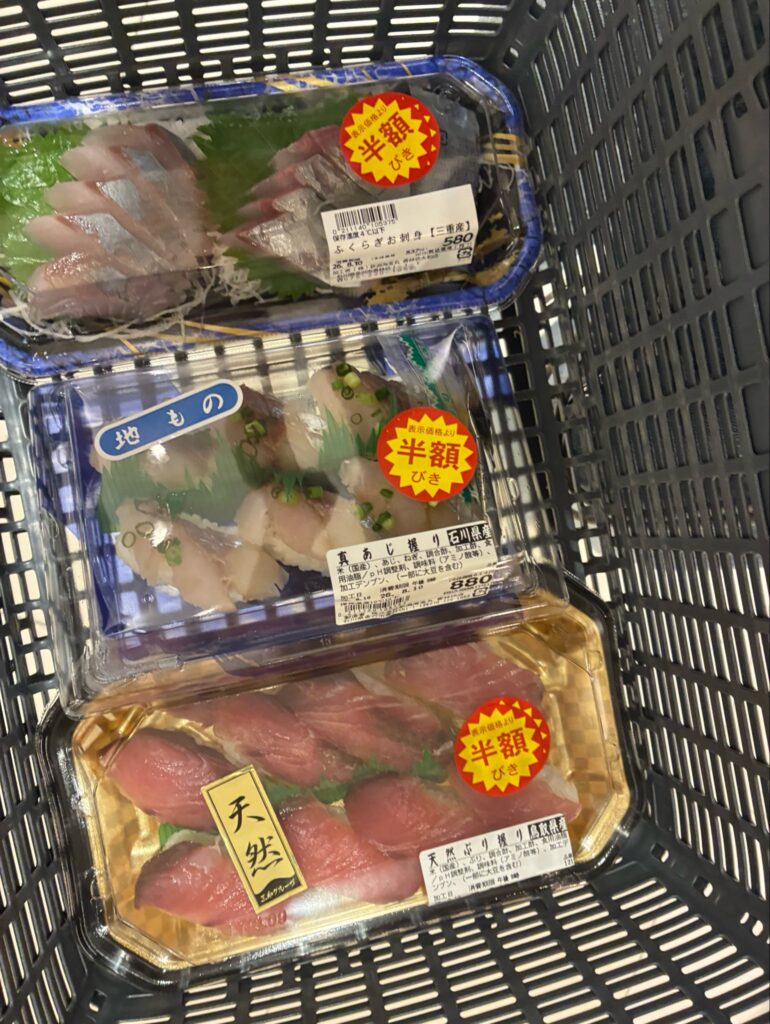
If you want luxury food at bargain prices, visit near closing time. To clear daily fresh inventory, stalls apply progressive discount stickers starting around 6:30 PM to 7:00 PM (roughly 1 to 2 hours before closing).
Look out for these common stickers:
- 割引 (Waribiki): Discount (e.g., 2割引 = 20% OFF)
- 引き (Hiki): Yen discount (e.g., 100円引き = 100 Yen OFF)
- 半額 (Hangaku): Half Price (50% OFF)
Essential Etiquette: Do’s and Don’ts
Crucial Tip: Depachika are takeaway markets, not dining halls. Most basement floors do not have customer seating, and eating while walking (aruki-kui) is frowned upon in Japan.
- DO ask before photographing counters or display cases.
- DO eat your purchased items at designated areas, such as the department store’s rooftop garden, a nearby park, or back in your hotel room.
- DON’T touch unpackaged food displays directly.
- DON’T expect seating unless the vendor explicitly operates an attached standing bar (tachi-nomi) or tea counter.
Tokyo’s Top 3 Depachika for First-Timers
1. Isetan Shinjuku (B1 Floor)
Widely considered the ultimate benchmark for depachika across Japan. It boasts an unmatched collection of elite global pastry chefs, artisanal chocolate makers, and prestige bento vendors.
2. Daimaru Tokyo (Tokyo Station)
Located directly adjacent to Tokyo Station’s Yaesu North Exit. Its main attraction is a famous 60-meter-long “Bento Street” packed with regional specialties—making it the top spot to pick up a luxury lunch before boarding the Shinkansen.
3. Mitsukoshi Nihonbashi
As Japan’s oldest department store chain, Mitsukoshi’s flagship location offers a deeply historic experience. Here you will find centuries-old traditional confectionery suppliers, premium green tea merchants, and high-grade seafood vendors.
Frequently Asked Questions (FAQ)
Can I get tax-free refunds on depachika purchases?
Yes, for packaged goods, tea, and non-perishable gift sets. Consumable items intended for immediate consumption (like hot bento boxes or fresh cakes) are usually exempt from tax refunds.
Are there vegetarian or vegan options available?
While Japanese food culture heavily incorporates fish broth (dashi) and meats, you can find vegetarian options like vegetable tempura, seaweed salad, or plain red bean wagashi. Be sure to check ingredient labels or ask staff (“Vegetarian menu wa arimasu ka?”).

More from my site
 What is That Black Paper in Japanese Food? The Ultimate Guide to Nori
 Only 5 in Japan! Experience Affordable Luxury at Muten Kura, the High-End Kura Sushi Flagship
 How to Enjoy Conveyor Belt Sushi in Japan: A Guide for First-Time Visitors
 Top 3 Sushi Chains in Japan: Sushiro, Kura Sushi, and Hamazushi Compared
 Why Seafood Tastes Better in Japan: The Ocean, the Tools, and the People
 Japan’s Seasonal Seafood Calendar: Best Times to Enjoy Eating Fish