
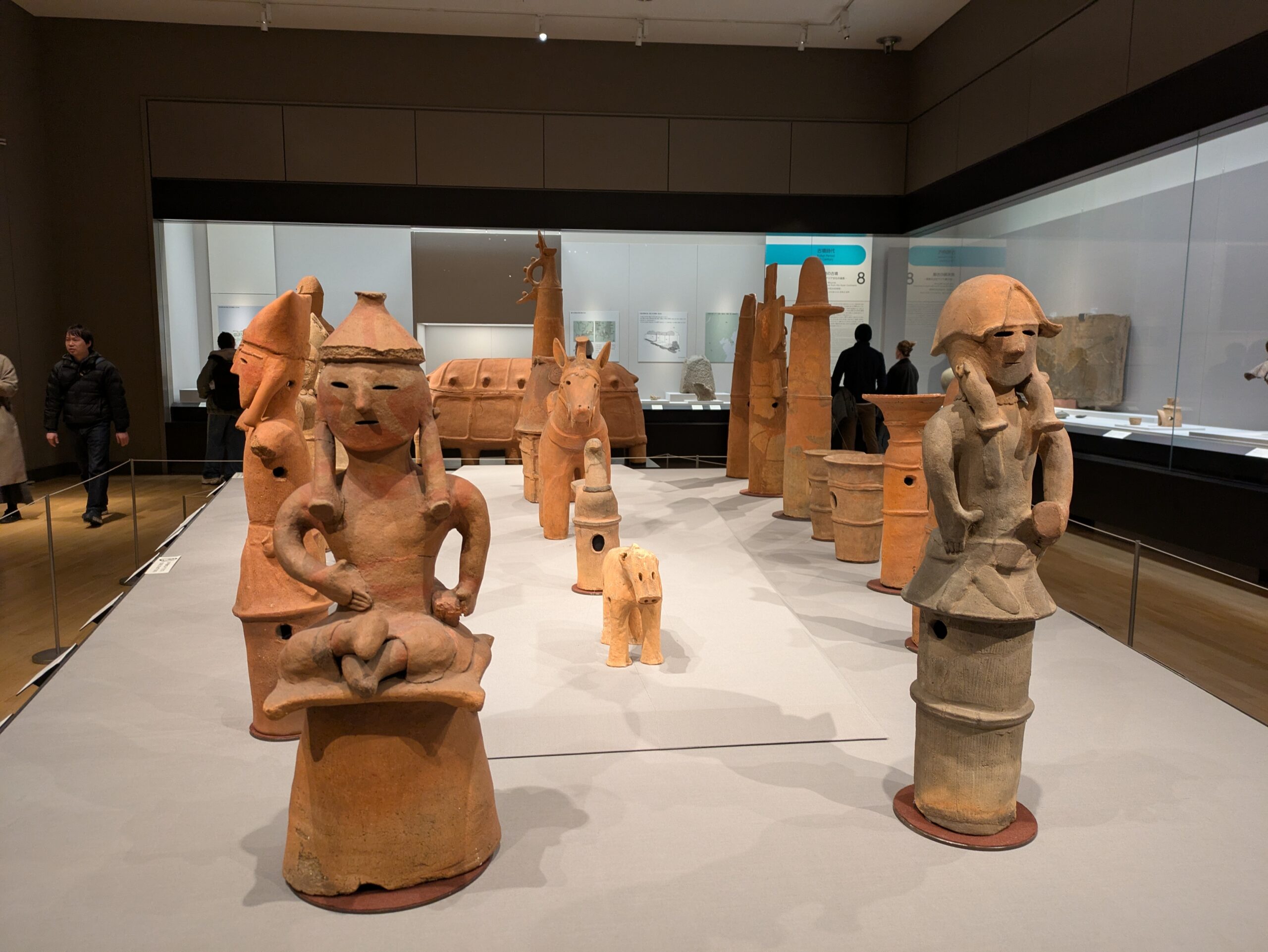
If you want to understand Japanese art, history, and culture in one place, the Tokyo National Museum is one of the best museums to visit in Japan.
Located in Ueno Park, the museum has an enormous collection covering thousands of years of Japanese history, from ancient archaeological objects and Buddhist art to samurai culture, ukiyo-e, ceramics, textiles, and paintings.
But just how big is it?
What are the most famous things to see?
And are the exhibits always the same?
Here is everything you need to know before visiting the Tokyo National Museum.
What Is the Tokyo National Museum?
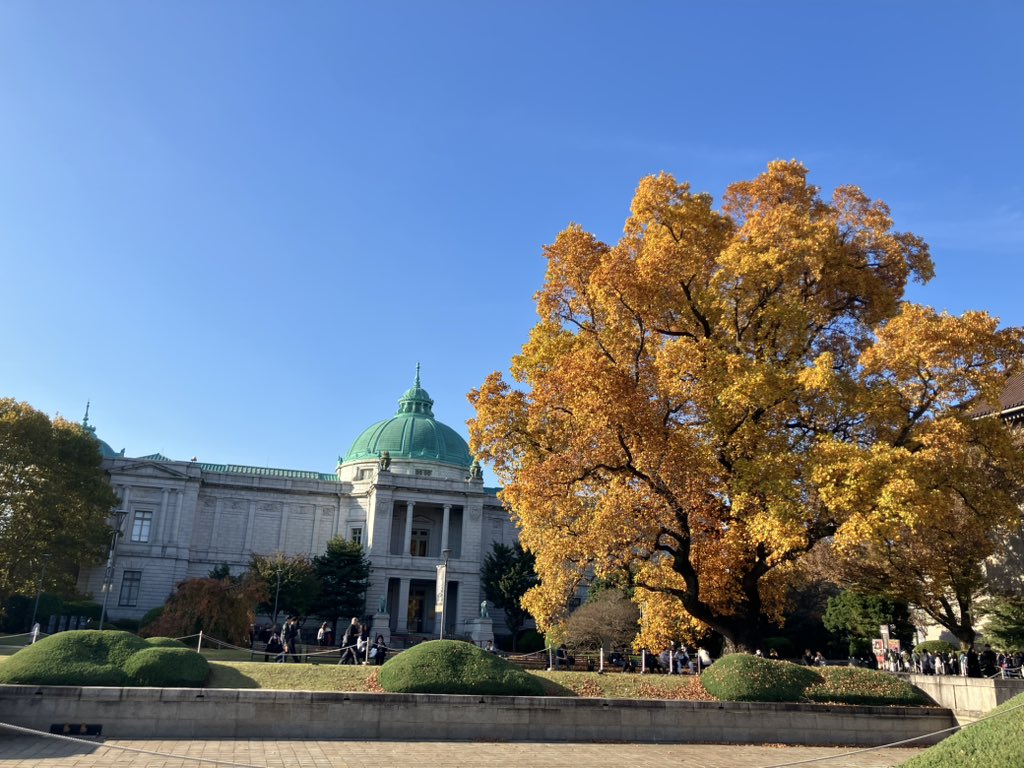
The Tokyo National Museum, often called TNM or Tōhaku in Japanese, is the oldest and one of the largest museums in Japan.
Its history dates back to 1872, when an exhibition was held at Yushima Seido in Tokyo. The museum has since grown into a major center for collecting, preserving, researching, and exhibiting Japanese and Asian cultural heritage.
Today, its collection contains more than 120,000 items, including numerous National Treasures and Important Cultural Properties. As of April 2026, the collection includes 90 National Treasures and 652 Important Cultural Properties.
In other words, you are not looking at a small museum that can be completely explored in an hour.
There is a huge amount to see.
How Big Is the Tokyo National Museum?
One of the easiest ways to understand the scale of the Tokyo National Museum is to look at its collection.
More than 120,000 items
The museum has approximately 120,000 objects in its collection.
These include:
- Paintings
- Sculptures
- Calligraphy
- Ceramics
- Lacquerware
- Textiles
- Samurai swords and armor
- Buddhist art
- Archaeological artifacts
- Ukiyo-e
- Historical documents
- Asian art and archaeological objects
However, you won’t see all 120,000 objects during a single visit.
The museum displays more than 3,000 items at any given time in its collection exhibitions.
That means the objects you see represent only a small portion of the museum’s enormous collection.
What Are the Main Buildings?
The Tokyo National Museum is not just one building.
There are six exhibition buildings, each with a different focus.
1. Honkan – Japanese Gallery
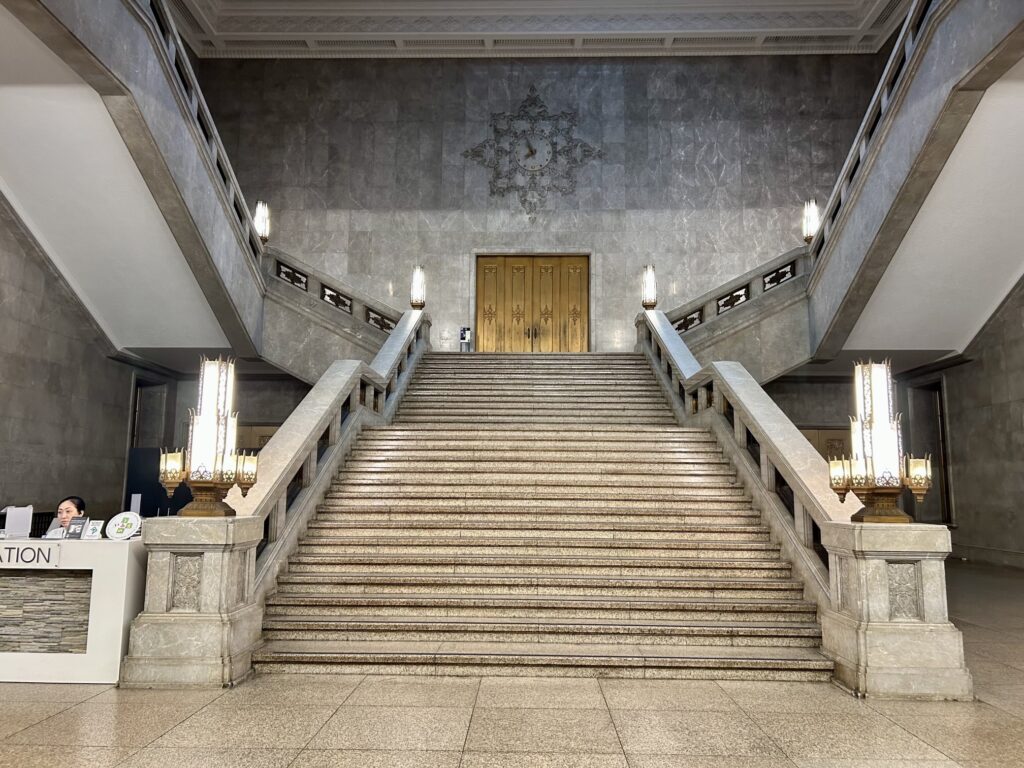
The Honkan is the main building and is probably the most important place for first-time visitors.
It focuses primarily on Japanese art and culture.
You can see works related to:
- Buddhist art
- Samurai culture
- Japanese paintings
- Calligraphy
- Ceramics
- Sculpture
- Ukiyo-e
- Lacquerware
- Textiles
The building itself is also worth seeing. Completed in 1935, its imposing architecture is one of the recognizable sights of the museum.
If you only have limited time, start with the Honkan.
2. Toyokan – Asian Gallery
The Toyokan focuses on art and archaeology from across Asia.
The collection goes beyond Japan and includes cultural objects from places such as China, Korea, Southeast Asia, Central Asia, India, and Egypt.
This makes the museum particularly interesting if you want to understand Japan within the broader history of Asia.
3. Heiseikan
The Heiseikan is home to the Japanese Archaeology Gallery as well as special exhibition galleries.
The archaeology section introduces Japan’s ancient history, including objects from prehistoric periods.
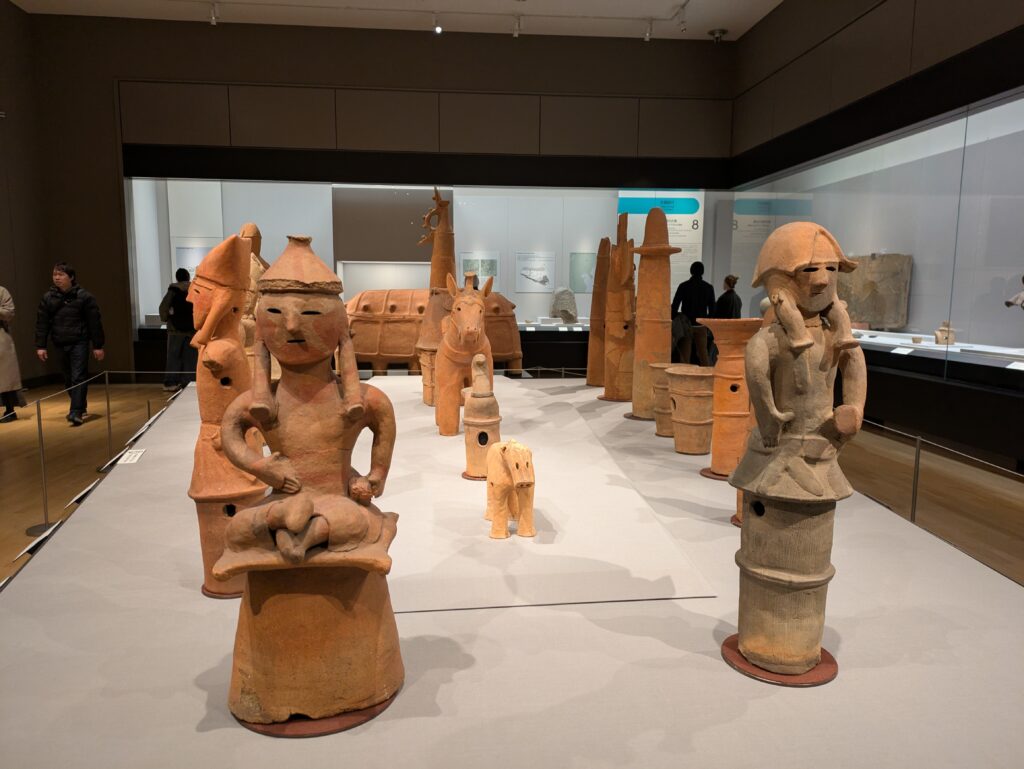
One of the highlights is Japan’s famous haniwa, clay figures associated with ancient burial mounds.
The Heiseikan is also used for major special exhibitions, so what you see here can vary considerably depending on the season.
4. The Gallery of Horyuji Treasures
This gallery houses treasures originally owned by Horyu-ji Temple in Nara.
The objects were donated to the Imperial Family in 1878 and include important examples of Buddhist art and ancient Japanese culture.
For visitors interested in the early history of Buddhism in Japan, this building is particularly worthwhile.
5. Kuroda Memorial Hall
The Kuroda Memorial Hall is dedicated to Kuroda Seiki, one of Japan’s important modern painters.
It provides a different perspective from the traditional Japanese art found elsewhere in the museum.
What Is the Tokyo National Museum Famous For?
The museum is famous for its enormous variety of Japanese art and cultural treasures.
Rather than being famous for just one object, the Tokyo National Museum is famous for the breadth and quality of its collection.
Some of the highlights include:
Japanese paintings
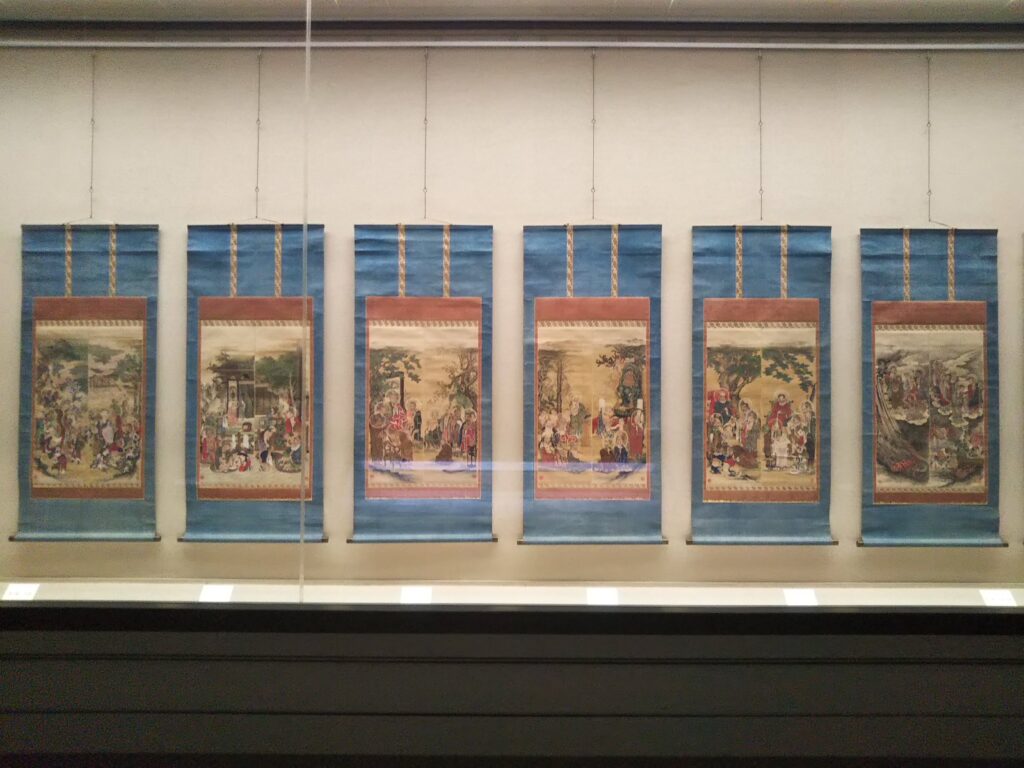
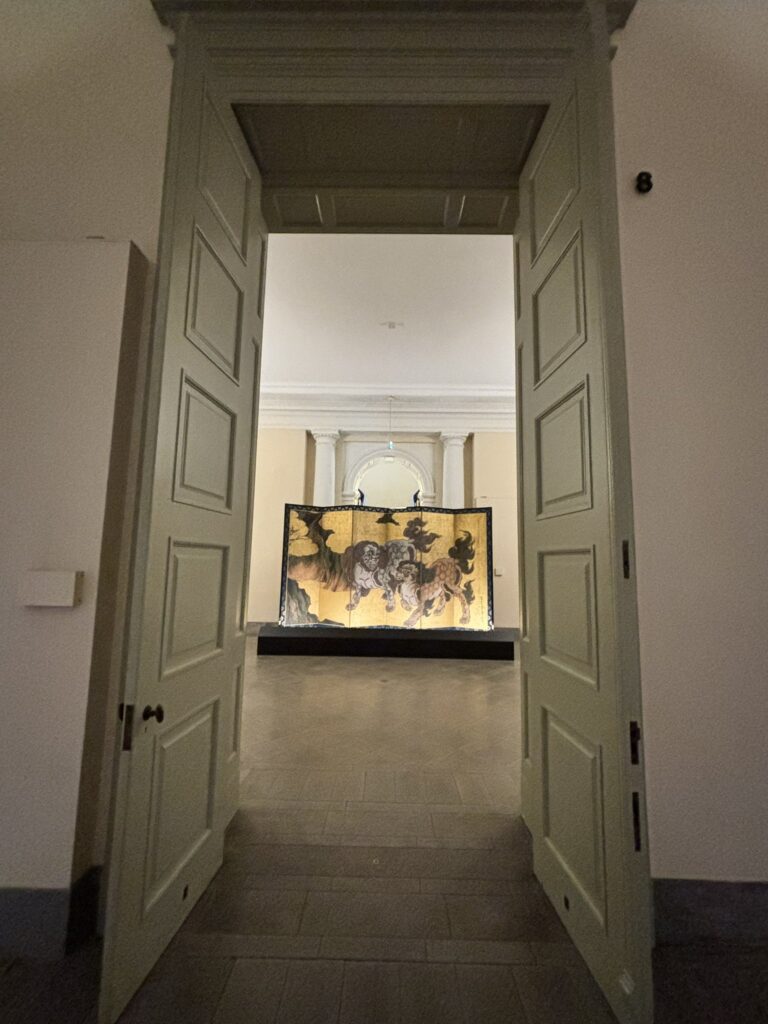
You can see paintings from different periods of Japanese history, including traditional Buddhist paintings, screen paintings, and works by famous Japanese artists.
Ukiyo-e
Ukiyo-e is one of the art forms most closely associated with Japan internationally.
The museum’s collection includes woodblock prints and paintings depicting landscapes, actors, beautiful women, everyday life, and famous places.
If you are interested in artists such as Hokusai or Hiroshige, keep an eye on the exhibition schedule.
One important thing to remember is that famous works are not necessarily on display every day.
Buddhist art
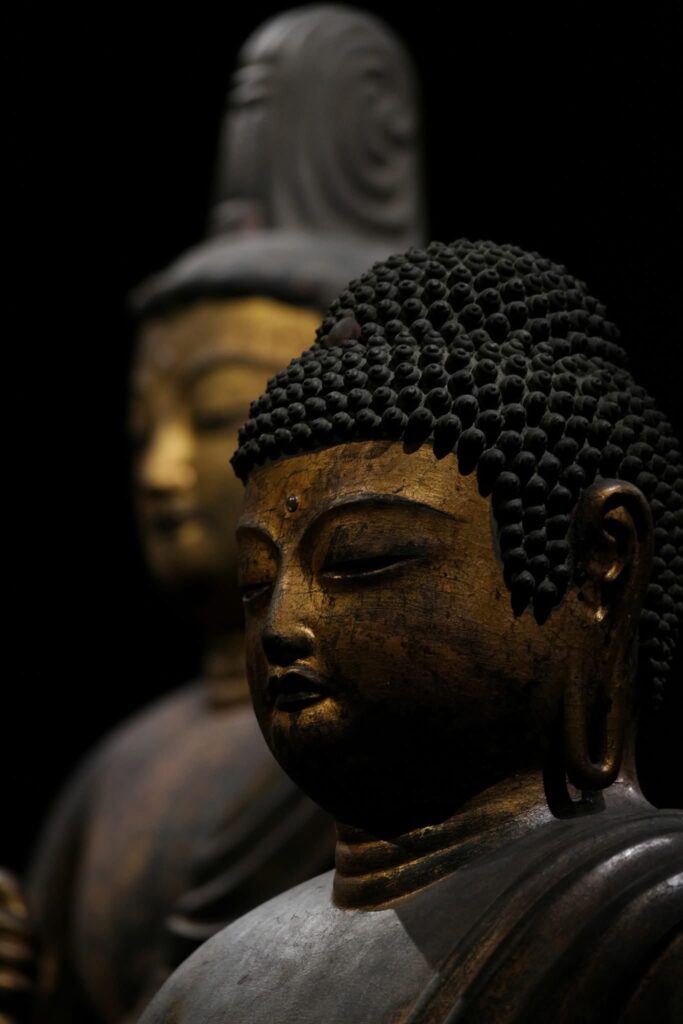
Buddhist sculptures and paintings are another major highlight.
The museum has examples spanning centuries, allowing visitors to see how Buddhist art developed in Japan.
One particularly famous work is The Bodhisattva Fugen, a National Treasure and an important example of 12th-century Buddhist painting.
Samurai culture
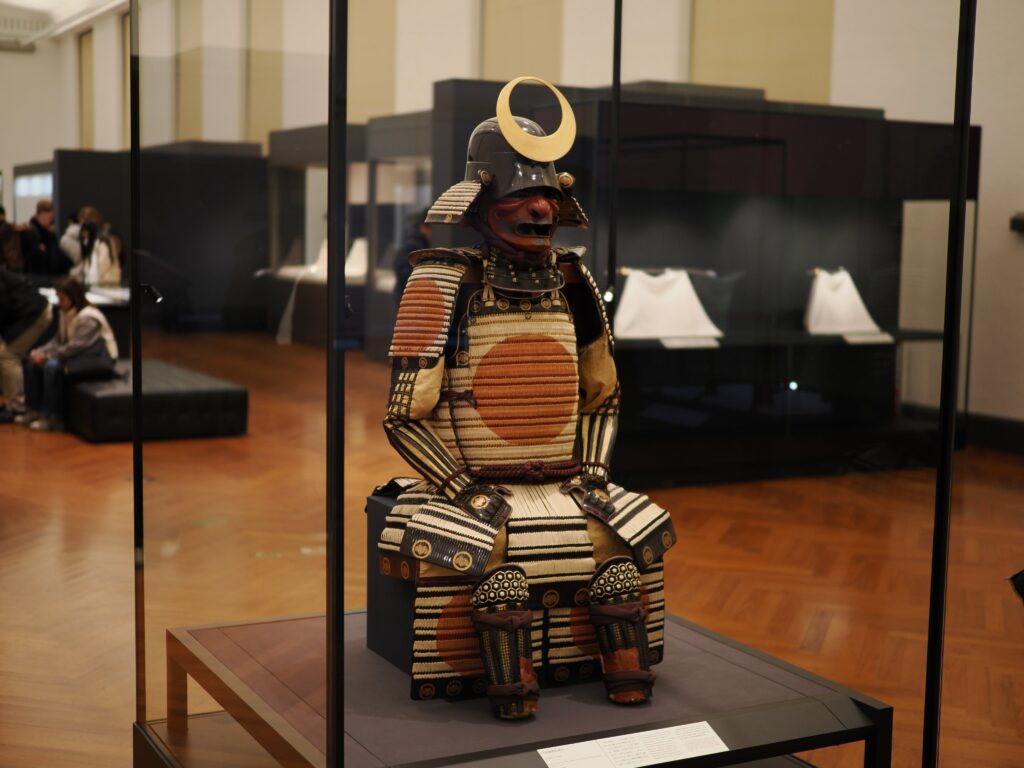
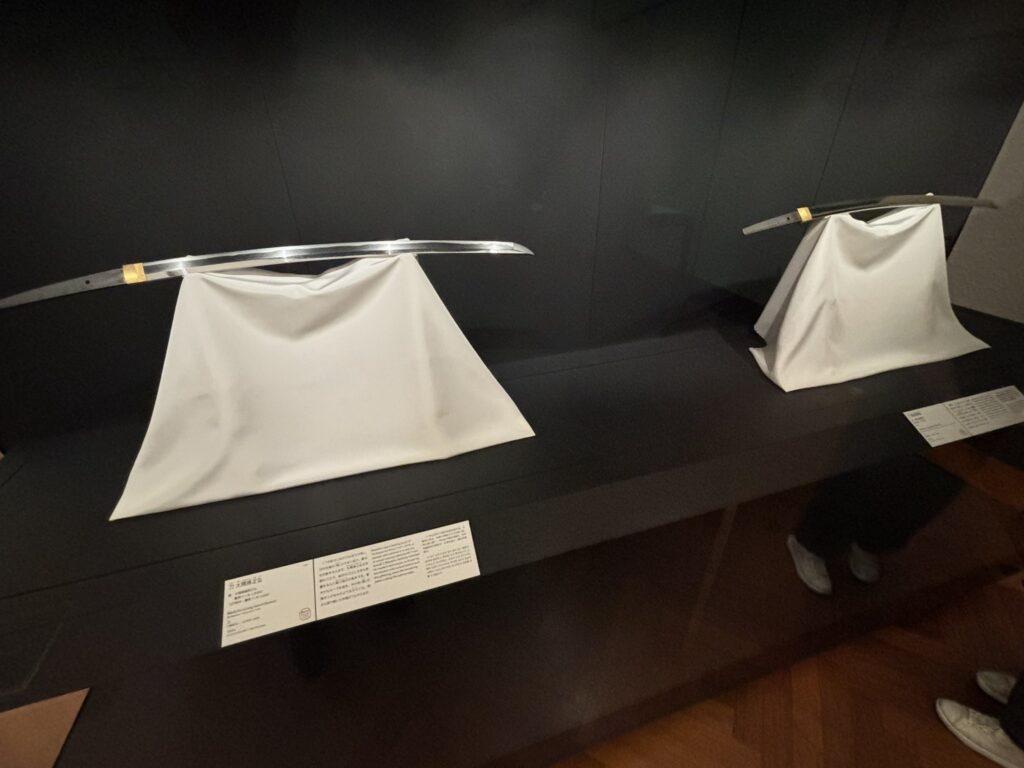
Japan’s samurai history is also represented through swords, armor, helmets, weapons, and other objects.
These displays can be especially interesting for visitors who associate Japan with samurai and feudal history.
Ceramics and crafts
Japan is famous for its ceramics, lacquerware, textiles, metalwork, and other traditional crafts.
The museum’s collection provides an opportunity to see how these objects developed over hundreds of years.
Are the Exhibits Changed Regularly?
Yes. This is one of the most important things to know before visiting.
The Tokyo National Museum does not permanently display all of its collection.
The exhibits are regularly changed to protect the cultural properties and to allow visitors to see different objects over time.
This is particularly important for delicate materials such as:
- Paintings
- Calligraphy
- Textiles
- Lacquerware
Some of these sensitive objects may need to be replaced every four to eight weeks.
So, if you visited the museum a few months ago, you may see completely different objects on your next visit.
This also means that you should check the official exhibition schedule before your trip if there is a particular artwork you want to see.
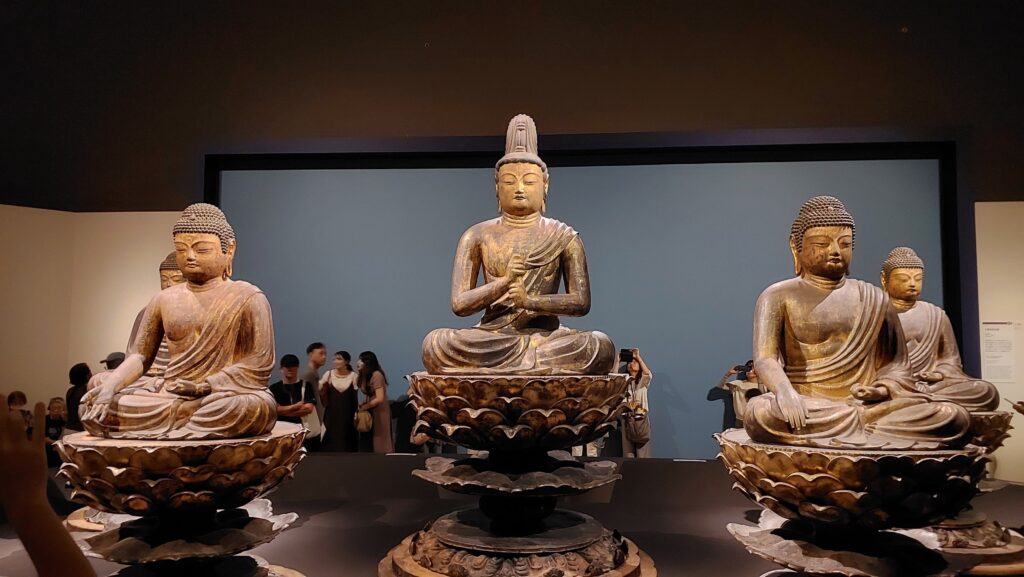
Are the Exhibits Real?
Yes.
Most of the objects displayed in the Tokyo National Museum are original works, rather than replicas.
For international visitors, this is one of the most exciting aspects of the museum.
You may recognize objects or styles that you have previously seen in books, documentaries, or Japanese history classes—and then see the actual cultural property in front of you.
However, some special displays and educational experiences may use high-resolution reproductions or other interpretive materials.
How Long Do You Need at the Tokyo National Museum?
Because the museum is so large, the ideal amount of time depends on your interests.
1–2 hours
Good for a quick introduction.
Focus on:
- Honkan
- Major highlights
- A few galleries that interest you
2–3 hours
A good choice for most tourists.
You can explore the Honkan in more detail and visit another building, such as the Toyokan or Heiseikan.
Half a day
Recommended if you are particularly interested in Japanese history, art, or culture.
With more than 3,000 objects displayed at any given time, you could easily spend several hours exploring.
Don’t try to see everything.
The museum is simply too large.
Instead, choose a few themes that interest you and explore them more deeply.
Where Is the Tokyo National Museum?
The Tokyo National Museum is located inside Ueno Park in Taito City, Tokyo.
Address:
13-9 Ueno Park, Taito-ku, Tokyo 110-8712, Japan
It is convenient to combine the museum with other attractions in Ueno.
Nearby attractions include:
- Ueno Park
- Ueno Zoo
- National Museum of Nature and Science
- National Museum of Western Art
- Ameyoko Shopping Street
This makes the Tokyo National Museum a particularly good choice for a full day of sightseeing in Ueno.
How to Get to the Tokyo National Museum
The museum is within walking distance of several major stations.
From JR Ueno Station
Approximately 10 minutes on foot.
From JR Uguisudani Station
Approximately 10 minutes on foot.
From Tokyo Metro Ueno Station
Approximately 15 minutes on foot.
From Tokyo Metro Nezu Station
Approximately 15 minutes on foot.
From Keisei Ueno Station
Approximately 15 minutes on foot.
The museum’s visitor entrance is through the Main Gate.
How Much Does It Cost?
For the regular TNM Collection Exhibitions, admission is currently:
- Adults: ¥1,000
- University students: ¥500
- Under 18: Free
- Over 70: Free
Special exhibitions may require an additional or separate ticket.
Because ticket prices and opening arrangements can change, check the official website before visiting.
Tokyo National Museum vs. a Special Exhibition
There are two different experiences you should understand.
TNM Collection Exhibitions
These are the museum’s regular collection displays.
They allow you to explore Japanese and Asian art across many different periods and categories.
The displays change regularly.
Special Exhibitions
These are temporary exhibitions focused on a particular theme, artist, period, temple, collection, or cultural topic.
They can bring together important objects from museums and institutions across Japan and sometimes from overseas.
If you see an interesting special exhibition during your trip, it can be worth planning your visit around it.
Is the Tokyo National Museum Worth Visiting?
Absolutely—especially if you are interested in Japanese culture and history.
If you have already visited temples and shrines in Japan, the Tokyo National Museum offers a different experience.
Instead of seeing cultural heritage in its original religious or historical setting, you can see a huge range of objects together and understand how Japanese art and culture developed over time.
It is also an excellent introduction to Japan because the collection covers such a wide range of subjects.
From ancient archaeology to samurai armor, Buddhist sculpture, ukiyo-e, ceramics, textiles, and paintings, there is something for almost every type of traveler.
Tips for First-Time Visitors
1. Don’t try to see everything
With more than 120,000 objects in the collection, seeing everything is impossible.
Choose the buildings and themes that interest you most.
2. Check the exhibition schedule
A particular artwork may not be on display when you visit.
The museum regularly changes its exhibits to protect the works, so always check the current schedule if there is something specific you want to see.
3. Start with the Honkan
If this is your first visit and you don’t have much time, the Honkan is a good place to begin.
4. Allow more time than you expect
The museum is much larger than many first-time visitors expect.
Two to three hours is a reasonable starting point, but art and history enthusiasts can easily spend half a day here.
5. Combine it with Ueno
The museum is located in Ueno Park, so it is easy to combine your visit with other attractions in the area.
Final Thoughts
The Tokyo National Museum is more than just a museum—it is one of the best places in Tokyo to understand the depth of Japanese history and culture.
With more than 120,000 objects, including 90 National Treasures and 652 Important Cultural Properties, its collection is enormous.
But don’t let the size overwhelm you.
You don’t need to see everything.
Choose a few areas that interest you—perhaps samurai, Buddhist art, ukiyo-e, Japanese paintings, or ancient archaeology—and take your time.
And remember: the exhibits change regularly.
That is part of what makes the Tokyo National Museum special. Even if you visit again, you may discover something completely different.
Quick Facts
| Tokyo National Museum | |
|---|---|
| Location | Ueno Park, Tokyo |
| Founded | 1872 |
| Collection | More than 120,000 objects |
| On display | More than 3,000 objects at any time |
| National Treasures | 90 |
| Important Cultural Properties | 652 |
| Main focus | Japanese and Asian art & archaeology |
| Exhibition buildings | 6 |
| Best for | Japanese art, history, culture & archaeology |
| Recommended time | 2–3 hours or more |
Collection figures for National Treasures and Important Cultural Properties are as of April 2026.
Official website: Tokyo National Museum
Aichi Airport Alcoholic beverage Anime Anime pilgrimage April Architecture August Autumn Building Capital Area Cherry blossom Convenience store February Flower January Japanese food kanto Kinki Kyoto March May Nagoya Nature Nightlife Night view Osaka Photogenic Pink Sakura Shopping Shrine Souvenir Spring Station Summer Superb view Temple Tips Tokai Tokyo Traffic train White Winter

More from my site
 Hikone Castle: Japan’s Authentic Feudal Stronghold Near Kyoto, Osaka & Nagoya
 Takayama & Shirakawa-go Day Tour from Nagoya: The Ultimate Year-Round Guide
 Complete Guide to SHIBUYA SKY Tokyo: Tickets, Rules & Best Time
 5 Best Alternatives to Kyoto Without the Crowds
 Soul of the Samurai: Japan’s Best Sword Museums by Region
 Ine Funaya Guide: How to Visit Kyoto’s Scenic Boat Village